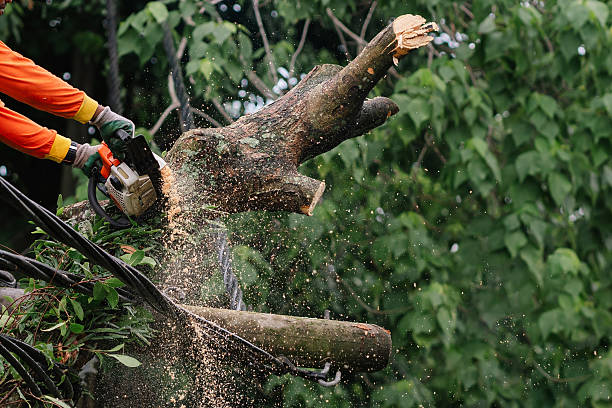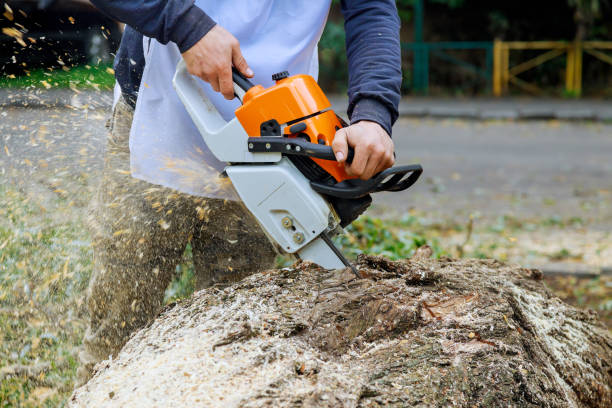
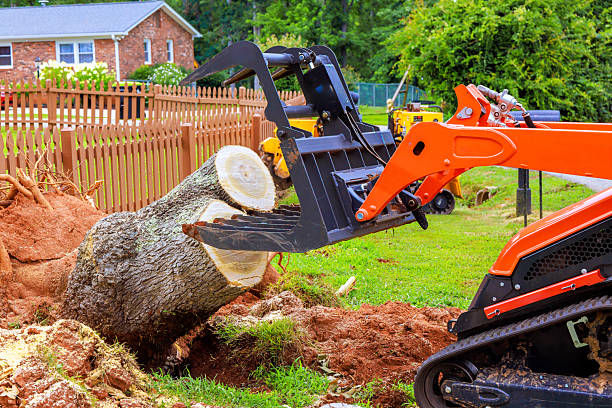
A tree stump left behind after tree removal can create several problems for property owners. It may interfere with lawn maintenance, limit landscaping options, create a tripping hazard, or make it difficult to use part of the yard. Although some stumps can remain in place without causing immediate issues, others may need to be removed or ground down to improve the safety and usability of the property.
Choosing the right tree service stump removal provider is an important step in addressing these concerns. The quality of the work depends on factors such as the stump’s size, root system, location, soil conditions, and the equipment used. A reliable contractor should assess these factors, explain the available removal methods, and provide a clear estimate before starting the project.
For homeowners and commercial property managers in Wichita, Kansas, comparing stump removal services can help prevent unexpected costs and unnecessary damage to surrounding areas. This guide explains how stump removal works, what to look for when hiring a contractor, which questions to ask, and how to compare estimates before making a decision.
What Is Tree Service Stump Removal?
Tree service stump removal is the process of eliminating a remaining tree stump and, depending on the selected method, some or all of its root system. The appropriate approach depends on the condition of the stump, its location, the intended use of the area, and the property owner’s goals.
Professional contractors generally offer two main approaches: stump grinding and complete stump removal.
Stump Grinding
Stump grinding uses specialized machinery to break the stump into small wood chips. The machine typically grinds the stump below the surrounding soil level, leaving the main root system in the ground.
This method is often suitable when the goal is to reclaim lawn space, reduce a visible obstruction, or prepare the area for landscaping. However, the exact grinding depth varies according to the equipment, site conditions, and project requirements.
Grinding does not remove every root. Remaining roots generally decay naturally over time.
Complete Stump Removal
Complete stump removal involves extracting the stump and, where required, a larger portion of its root system. This may require excavation, heavy equipment, and additional work to restore the disturbed ground.
Complete removal may be appropriate when the area will be used for construction, certain planting projects, or other purposes that require more extensive root removal. The contractor should explain whether complete root removal is practical and which roots can reasonably be extracted.
Before choosing a method, discuss how you intend to use the area after the work. This helps the contractor recommend an approach that fits the property’s needs.
Why Is Professional Stump Removal Important?
Leaving a stump in place is not always a problem, but it can create practical challenges depending on its condition and location.
1. Reduces Tripping Hazards
A stump in a frequently used part of the yard can create an obstacle for residents, visitors, children, and people performing lawn maintenance. Exposed roots may also interfere with walking paths and mowing.
Removing or grinding the stump can make the area easier to navigate. The surrounding ground should still be inspected and restored appropriately because uneven soil or remaining roots may continue to create obstacles.
2. Improves Lawn Maintenance
Stumps can make mowing and edging more difficult. They may require the operator to maneuver around the obstacle, and exposed roots can interfere with routine landscaping.
Stump grinding can help restore usable lawn space, depending on the stump’s location and the depth of grinding. Afterward, the area may need additional soil, grading, and grass seed to establish a suitable lawn surface.
3. Creates Space for Landscaping
A remaining stump can restrict where you install garden beds, pathways, or other landscape features. Removing it may provide more flexibility when redesigning a yard.
However, stump removal does not automatically make an area ready for every type of planting or construction. Soil condition, remaining roots, underground utilities, and the intended use of the site should be considered before new work begins.
4. Helps Address Decaying Wood
An old stump gradually decomposes, and the process can attract insects and other organisms that use decaying wood. The significance depends on the tree species, stump condition, surrounding environment, and the insects present.
Removing a stump may reduce the amount of decaying wood in a particular area. If there is concern about termites or other wood-damaging pests, consult an appropriate pest management professional rather than assuming that every stump attracts termites or that removal alone will resolve an existing infestation.
5. Supports Future Property Projects
If you plan to install a patio, walkway, garden bed, or other feature, a stump may interfere with the layout or preparation of the area.
Discuss the planned project with the stump removal contractor before work begins. Some construction projects require more extensive excavation than ordinary stump grinding provides, so the removal method should match the project’s specifications.
Factors to Consider When Choosing a Reliable Stump Removal Service
Not every tree service offers the same equipment, methods, or level of preparation. Use the following factors to evaluate potential contractors.
1. Experience With Different Stump Conditions
Ask whether the contractor has experience handling stumps similar to yours. A small stump in an open lawn may require a different approach from a large stump near a fence, retaining wall, driveway, or building.
Tree species can also affect the work because wood hardness, stump diameter, and root development vary. A reliable provider should inspect the site and explain any limitations before providing a final recommendation.
For properties in Wichita, local experience may help a contractor assess access conditions and common residential landscaping layouts. Still, ask for details about the proposed work rather than relying only on general claims of experience.
2. Appropriate Equipment and Safety Practices
Professional stump removal may involve stump grinders, excavation equipment, protective barriers, and tools for handling wood chips and debris. The equipment should suit the stump’s dimensions and the available working space.
Ask how the contractor plans to protect nearby structures, landscaping, vehicles, and people. Stump grinders can throw wood chips and small debris, so the work area should be managed carefully.
The contractor should also consider underground utility lines before grinding or excavating. Contact the appropriate utility locating service and follow applicable requirements before digging. Do not assume that visible utility lines represent every underground service on the property.
3. Insurance and Relevant Credentials
Ask for current insurance documentation before approving the work. General liability insurance may help address eligible third-party property damage or injury claims, subject to policy terms and exclusions.
Workers’ compensation requirements depend on applicable law and the contractor’s circumstances. Ask how the company handles employee coverage and whether subcontractors will be involved.
If the contractor claims a specific license, certification, or other credential, verify that it is relevant to the work and current where required. Do not assume every stump removal job requires the same credentials in every location.
4. Clear Written Estimates
A reliable contractor should provide an estimate that explains the scope of the job and the expected charges. The price should reflect the stump’s size, accessibility, condition, required equipment, and the agreed level of grinding or excavation.
Ask whether the estimate includes wood chip removal, backfilling, soil leveling, and cleanup. If any service is excluded, request clarification before accepting the proposal.
Written estimates make it easier to compare contractors fairly and reduce confusion about the work being purchased.
5. Cleanup and Disposal Options
Stump grinding produces wood chips, and complete removal can leave a hole or disturbed soil. Contractors may include some cleanup in their estimates or offer it as a separate service.
Ask what happens to the wood chips and whether they will be removed, left on-site, or used to fill the ground depression where appropriate. Wood chips may be useful for certain landscaping purposes, but they are not always the best material for restoring a lawn or preparing a construction area.
Clarify who will level the ground and whether additional topsoil, grass seed, or landscaping work is included.
6. Customer Feedback and Communication
Read recent reviews and look for specific comments about punctuality, communication, cleanup, and how the contractor handled unexpected conditions.
A pattern of clear communication and reliable follow-through can be more useful than a single high rating. You can also ask for references from customers who had similar stump removal work completed.
Review the services and business information available through Kansas Tree Experts when researching local tree care options in Wichita and surrounding communities.
Questions to Ask Before Hiring a Tree Service for Stump Removal
Before scheduling the work, ask the contractor questions that clarify the method, price, and expected results.
| Question | Why It Matters |
|---|---|
| Will you grind the stump or remove it completely? | Clarifies the removal method and expected result. |
| How deep will you grind below ground level? | Helps determine whether the area will suit the intended use. |
| Are underground utilities a concern? | Helps identify the need for utility locating before work. |
| Is the price based on stump size or another factor? | Explains how the estimate was calculated. |
| Is debris removal included? | Prevents confusion about wood chips and leftover material. |
| Will you backfill and level the area? | Clarifies ground restoration responsibilities. |
| Do you have appropriate insurance coverage? | Helps establish whether relevant risks have been considered. |
| Are there additional charges for difficult access? | Identifies potential cost changes before work begins. |
| How should the area be maintained afterward? | Helps prepare for lawn restoration or future landscaping. |
A contractor should be able to explain the answers in straightforward language. If the proposed work or pricing remains unclear, request clarification before signing an agreement.
Warning Signs to Watch for When Hiring a Stump Removal Contractor
Certain warning signs may indicate that you need more information before proceeding.
Vague estimates: An estimate that does not explain the removal method, cleanup, or additional charges can lead to misunderstandings.
No site assessment when one is needed: A contractor may not be able to accurately evaluate access restrictions, nearby structures, or underground hazards without reviewing the relevant site conditions.
Unclear insurance information: Be cautious if the contractor cannot provide reasonable documentation or explain the coverage relevant to the work.
Unsafe work practices: The crew should manage debris, establish a safe working area, and use equipment appropriate for the site. Do not overlook obvious safety concerns simply because the price is attractive.
Pressure to make an immediate decision: Take time to compare estimates and understand the agreement, especially when the work involves excavation or expensive equipment.
Unclear cleanup arrangements: Confirm who is responsible for removing wood chips, filling the resulting depression, and leveling the soil.
These warning signs do not automatically prove that a contractor is unreliable. However, unresolved questions about safety, insurance, and project scope should be addressed before work begins.
How Much Does Stump Removal Cost?
The cost of stump removal varies according to the individual project. There is no single price that applies to every stump because the required labor, equipment, and restoration work can differ considerably.
Important cost factors include:
- Stump diameter: Larger stumps generally require more grinding or excavation.
- Tree species: Wood hardness and root development can affect the amount of work involved.
- Location: Stumps near fences, buildings, driveways, or other obstacles may require additional care.
- Accessibility: Limited equipment access can affect labor and project time.
- Removal method: Grinding typically differs in scope from extracting the stump and a larger portion of its roots.
- Debris handling: Hauling away wood chips or stump material may add to the estimate.
- Ground restoration: Backfilling, leveling, topsoil, and grass seed may be priced separately.
When comparing quotes, ensure each contractor is estimating the same scope of work. A lower price may cover grinding only, while another estimate may include debris removal and basic ground restoration.
Request a written breakdown of the costs and ask how unexpected conditions will be handled. This allows you to compare proposals based on the work provided rather than price alone.
What to Expect During and After Professional Stump Removal
Understanding the process helps you prepare the property and plan any follow-up landscaping.
Before the Work Begins
Identify the stump and explain your plans for the area. Remove movable objects from the working space and discuss access for machinery. The contractor should assess nearby structures, slopes, obstacles, and underground utility concerns.
Ask whether you need to keep people and pets away from a specific section of the property during the job.
During Stump Grinding or Removal
The contractor will use the agreed method to grind or extract the stump. Grinding generally reduces the stump to wood chips below the surrounding ground level, while complete removal involves more extensive excavation.
The duration depends on stump size, equipment access, site conditions, and the scope of work. Ask the contractor for a realistic estimate rather than assuming every stump can be removed within a fixed period.
After the Work Is Complete
Inspect the area with the contractor and confirm that the agreed cleanup has been completed. Depending on the method, the site may require additional soil, grading, or landscaping before it is suitable for its next use.
If you plan to plant grass, follow the contractor’s recommendations for preparing the soil. If the area is intended for construction, confirm that the remaining roots and ground conditions meet the relevant project requirements.
Conclusion
Choosing a reliable tree service for stump removal requires more than comparing prices. Property owners should understand the difference between stump grinding and complete removal, verify relevant insurance documentation, evaluate the contractor’s equipment and safety practices, and confirm what the estimate includes.
Before scheduling the work, discuss the stump’s size, location, accessibility, underground utility concerns, and your plans for the area afterward. Ask about wood chip disposal, backfilling, soil leveling, and any additional charges. These details help establish realistic expectations and reduce the likelihood of misunderstandings.
For property owners in Wichita, Kansas, Kansas Tree Experts provides tree care services, including stump grinding and related services. If you need guidance on a stump removal project, contact us through the Kansas Tree Experts website to discuss your property’s needs and request an estimate. Reviewing the available options before work begins can help you choose a practical solution for your yard or commercial property.
Frequently Asked Questions About Tree Service Stump Removal
What is the difference between stump grinding and stump removal?
Stump grinding uses machinery to reduce the stump to wood chips, usually below ground level, while leaving most roots in place. Complete stump removal extracts the stump and may remove a larger portion of the root system. The appropriate method depends on the intended use of the area.
How do I choose a reliable tree service for stump removal?
Compare contractors based on relevant experience, equipment, safety practices, insurance documentation, written estimates, and cleanup arrangements. Ask how deep the stump will be ground and whether additional services are included.
Is stump grinding enough for a residential yard?
Stump grinding is often sufficient when the goal is to reclaim lawn space or remove a visible obstruction. If you plan construction or need extensive root removal, excavation or a different approach may be necessary.
How long does professional stump removal take?
The duration depends on stump size, wood condition, root development, access, equipment, and the selected method. Ask the contractor to estimate the time required after assessing the site.
Should I remove a stump immediately after tree removal?
Not every stump needs immediate removal. However, removing it promptly may be practical if it obstructs lawn maintenance, creates a hazard, or interferes with planned landscaping. Consider the condition of the stump and how you intend to use the space.
Does stump grinding remove the roots?
No. Stump grinding generally removes the visible stump and part of the stump below ground level, but most roots remain in the soil. These roots typically decay over time. Complete extraction may be more suitable when the project requires more extensive root removal.
Will stump removal damage my lawn?
The work can disturb nearby grass or soil, particularly if the stump is difficult to access or requires excavation. The extent of the disturbance depends on the equipment, site conditions, and removal method. Discuss protective measures and ground restoration before the job begins.
Should the wood chips be removed after stump grinding?
That depends on your landscaping plans and the contractor’s agreement. Wood chips may be useful for some landscaping applications, but the ground may require suitable soil rather than a large volume of chips if you intend to establish grass or prepare the area for another use.
Can a stump be removed near a fence or driveway?
Often, yes, but the location can affect equipment access and the removal method. The contractor should inspect the area and explain how the work will be performed without unnecessarily disturbing nearby structures.
Does Kansas Tree Experts provide stump removal services?
Kansas Tree Experts provides tree care services in Wichita and surrounding communities, including stump grinding and related tree services. Property owners can contact the company to discuss their specific requirements, determine which services are appropriate, and request an estimate.