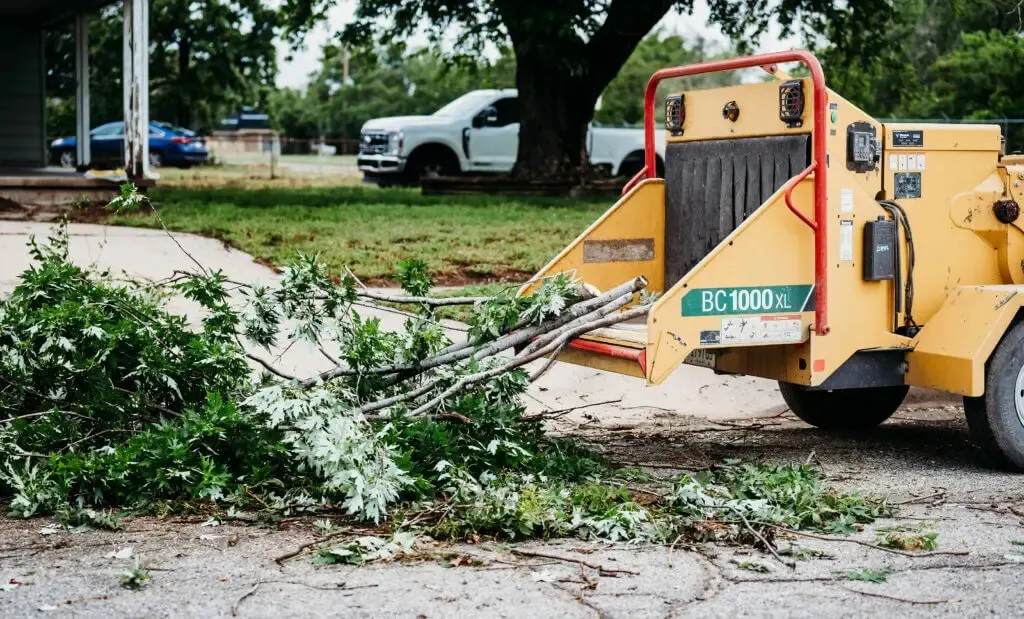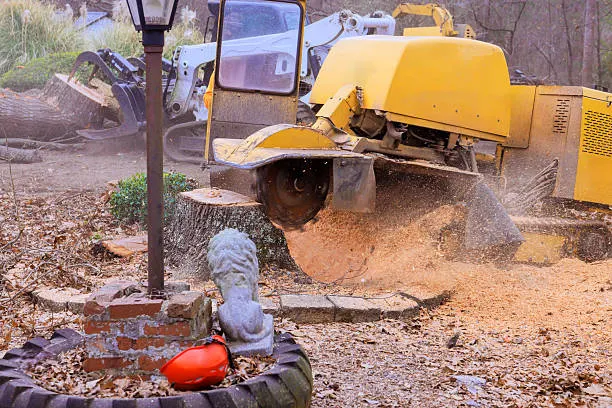
Useful photos show the tree or stump, the surrounding space and the route a crew might use to reach it. A close-up of one branch can help explain a concern, but a wider view often reveals the access and nearby structures that affect planning.
When requesting tree work in Wichita, a small set of clear photos can make the first conversation easier. Some jobs will still need an on-site assessment before the company can recommend work or confirm pricing.
Put safety ahead of getting the picture
Take photos from stable ground in an area you can safely access. Do not climb a tree, use a ladder, pull a branch into view or stand under damaged limbs to improve an angle. If a view is unsafe, describe the concern instead.
Keep away from trees or branches involving power lines. Contact the utility about that situation and follow its safety instructions, including Evergy’s guidance on downed lines. If there is an immediate threat to people, contact the appropriate emergency service.
You can still provide useful context from a safe location. Explain what you cannot photograph and why, rather than moving closer to a suspected hazard.
Start with a view of the whole tree
If you can safely fit the tree into the frame, show it from the ground to the upper canopy. Include enough of the surroundings to establish which tree you mean. A second view from another safe position can help explain how it relates to the property.
Briefly label the photos: “front yard beside the driveway,” “back corner near the shed” or another clear description. If the job involves several trees, give each one a simple name or number and use it consistently in your message.
Avoid relying on an estimated height or a photograph to establish a diagnosis. The image introduces the situation; the assessment determines what information is still needed.
Add a view of the particular concern
After the wider view, photograph the issue from a safe position. That could be branches approaching the roof, a limb broken in a storm or growth restricting a walkway. Pair the image with a short explanation of what you want addressed.
Describe when you noticed the change. “This branch broke during the last storm” is more useful than “the tree looks bad.” If the concern has developed gradually, say so.
For tree trimming, explain the objective: roof clearance, removal of a damaged limb or an assessment of crowded growth. You do not need to mark cuts or decide which technique the crew should use.
Show access and nearby features
A work area may look open in one photo while the route into it is narrow. Add a view of the gate, driveway or side yard that provides access. Include turns, steps or other restrictions along the route when they can be photographed safely.
Useful context includes fences, patios, retaining walls, garden beds and nearby buildings. Mention overhead lines without approaching them, and identify known private irrigation or outdoor cables in your written message.
If gate dimensions are requested and the gate is safe to reach, provide an actual measurement. Do not assume the company’s equipment will fit based on a photo. Equipment access and the work plan need to be confirmed for the specific job.
For a stump, show the ground around it
A stump-grinding estimate benefits from a clear view of the stump and the surrounding area. Include nearby roots that are visible at the surface, fences, hard surfaces and the route into the yard.
Tell the company whether there is one stump or several, and explain your plans for the space afterward. Growing grass, using a garden bed and preparing for construction can involve different expectations about the work and finish.
Do not dig around the stump or expose buried features just to take a photo. Describe any known underground or private-line concerns so they can be addressed through the appropriate planning and locating process.
Send a short explanation with the images
Keep the message focused. A helpful starting list is:
- Property location and the best contact person.
- Which tree, stump or shrub each photo shows.
- The concern or result you want to discuss.
- When the issue appeared or changed.
- Known access restrictions and relevant site details.
- Any scheduling constraints the company should know about.
Frame the work area and avoid including unrelated documents or the interiors of nearby homes. Ask the company how it prefers to receive photos; a general contact form may not support attachments.
Expect follow-up questions where needed
Photos may support an initial discussion, but they cannot show every aspect of a tree’s condition, underground features, slopes or equipment access. A company may need more information or a site visit before providing a final scope and estimate.
When you receive a proposal, check that it identifies the agreed work, cleanup and any separate stump or restoration items. A photo submission is the beginning of that discussion, not a substitute for understanding the written agreement.
To get started with Kansas Tree Experts, use the contact page to describe the job and ask how to share your photos. Explain any urgent concerns at the outset so the appropriate next step can be discussed.