Removing a tree is not always a straightforward landscaping project. Dead trees, storm-damaged trunks, unstable branches, and trees growing too close to buildings can create safety concerns for homeowners and commercial property managers. Because tree removal often involves heavy equipment, climbing, cutting, and working near structures, choosing the right professional is an important decision.
Hiring an insured tree removal company can help reduce the financial risks associated with accidental property damage and workplace injuries. However, simply hearing that a company is insured is not enough. Property owners should understand which types of insurance matter, how to verify coverage, and what other qualifications to consider before approving the work.
Whether you need to remove a dead tree from your backyard or arrange commercial tree removal in Wichita, Kansas, reviewing a company’s insurance and safety practices can help you make an informed decision.
This guide explains how to evaluate tree removal professionals, compare estimates, verify insurance documents, and identify important questions to ask before work begins.
Why Insurance Matters When Choosing a Tree Removal Service
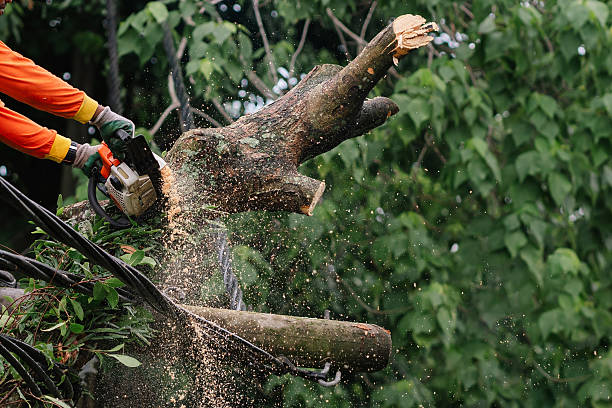
Tree removal can involve unpredictable conditions, particularly when a tree is damaged, leaning, or located close to a house, garage, fence, driveway, or utility line. Even with careful planning, accidents can occur during cutting, lifting, lowering, or transporting tree debris.
Insurance helps address certain financial risks associated with these situations. The protection available depends on the policies in force, their limits, exclusions, and the circumstances of a particular incident.
Protection Against Property Damage
A tree removal crew may need to lower large branches through a restricted space or dismantle a trunk in sections to avoid surrounding structures. If a branch falls onto a roof, damages a fence, or breaks a window, the incident may result in expensive repairs.
Commercial general liability insurance can help cover eligible third-party property damage claims, subject to the policy terms. Before hiring a company, ask whether its policy covers the type of tree removal work planned at your property.
Coverage for Worker Injuries
Tree removal workers may use chainsaws, climbing equipment, bucket trucks, and other machinery. Falls, cuts, and equipment-related accidents are potential workplace hazards.
Workers’ compensation insurance generally helps cover eligible work-related employee injuries and related benefits, according to applicable law and policy terms. Ask whether the company has the required coverage for its employees and how it handles subcontractors.
Without appropriate coverage, an injury can create complicated financial and legal questions. Your own insurance policy may not cover every situation, so do not assume your homeowner’s insurance will automatically protect you.
Greater Accountability
A company that provides insurance documentation and explains its safety procedures makes it easier for customers to evaluate its business practices.
Insurance does not guarantee that a contractor will perform every task correctly. However, verifying coverage alongside experience, equipment, and written agreements provides a stronger basis for choosing a tree removal professional.
Types of Insurance a Tree Removal Company Should Have
Not every insurance policy protects against the same risks. When evaluating an insured tree removal service, ask about the following types of coverage.
1. General Liability Insurance
General liability insurance is one of the first policies to ask about when hiring a tree removal company.
It can cover certain third-party bodily injury and property damage claims arising from covered business activities. For example, a qualifying claim involving damage to a neighboring property may fall within the policy’s scope.
However, exclusions and conditions matter. Ask the company or its insurance representative to confirm that the policy covers tree removal operations rather than only unrelated landscaping activities.
You should also review the coverage limits. A policy’s limit determines the maximum amount available for certain covered claims, subject to its terms and other applicable provisions.
2. Workers’ Compensation Insurance
Workers’ compensation is another important consideration, particularly when a company employs a crew to perform hazardous tree work.
Depending on the applicable requirements, this insurance can provide benefits for covered workplace injuries, medical treatment, and lost wages.
Ask the company to confirm that its workers are covered as required by law. If subcontractors will perform any part of the job, clarify who employs them and what insurance arrangements apply.
Requirements can vary according to the worker’s status and the circumstances. Do not rely on assumptions about whether a small company or independent contractor needs this coverage.
3. Commercial Auto Insurance
Tree service companies often use trucks to transport crews, tools, wood, and debris. Some also operate bucket trucks or vehicles that tow equipment.
Commercial auto insurance can provide coverage for specified vehicle-related risks, depending on the policy. It is worth asking about when the project requires vehicles to enter your property or when a company will transport heavy equipment.
This policy serves a different purpose from general liability insurance, so one should not be treated as a substitute for the other.
4. Equipment and Other Relevant Coverage
Tree removal businesses may own chippers, stump grinders, cranes, climbing equipment, and specialized machinery.
Commercial equipment or inland marine coverage may protect certain tools and equipment against specified losses. This coverage primarily concerns the company’s property, not automatically your home or other belongings.
For complex projects, ask whether the company has any additional coverage relevant to the work. The exact policies needed will depend on the project, the equipment involved, and the company’s operations.
How to Verify an Insured Tree Removal Service
Requesting proof of insurance is an essential step before scheduling work. A verbal assurance or an old document does not establish that a policy is currently active.
Follow these steps to check a company’s coverage.
Step 1: Request a Certificate of Insurance
Ask the company for a current certificate of insurance, commonly called a COI.
This document summarizes key information about the company’s insurance policies. It may include the insurer, policy types, policy numbers, coverage limits, and effective and expiration dates.
Review the certificate carefully. Make sure the business name matches the company you intend to hire and that the listed policies are relevant to your project.
Remember that a certificate generally provides evidence of insurance information at the time it is issued. It is not the insurance policy itself and does not necessarily grant you additional rights under that policy.
Step 2: Check the Policy Dates
Look at the effective and expiration dates for each listed policy.
A certificate may be outdated, or coverage may have changed since the document was issued. If the policy expires before the scheduled work, ask the company to provide updated documentation.
For projects involving multiple visits or a longer schedule, make sure the necessary coverage remains in place throughout the work.
Step 3: Verify Coverage With the Insurance Provider
For additional confidence, contact the insurance agent or insurer using independently verified contact information.
Ask whether the policy is active and whether it covers the specific tree removal operations planned. You can also ask about relevant exclusions and limits.
If a project involves a large tree near a building or other high-risk conditions, it is especially important to understand whether the contractor’s coverage is suitable for that work.
Step 4: Confirm Who Will Perform the Work
The company providing the estimate may not always perform every part of the job itself.
Ask whether the work will be completed by its employees, independent contractors, or subcontractors. If other businesses are involved, request information about their insurance and responsibility for the work.
This helps prevent confusion about which company is responsible for the crew, equipment, and activities on your property.
Step 5: Keep the Documentation
Save the certificate, written estimate, service agreement, and any messages confirming the scope of work.
These documents can help establish what was agreed upon and which company was responsible for the project. If questions arise later, having accurate records makes it easier to communicate with the contractor or insurer.
Other Factors to Consider Before Hiring a Tree Removal Company
Insurance is essential, but it should not be the only factor in your decision. A suitable contractor should also demonstrate relevant experience, clear communication, and a practical approach to safety.
Experience With Similar Tree Removal Projects
Ask whether the company has handled trees similar in size, condition, and location to yours.
Removing a small tree in an open yard requires different planning from dismantling a mature tree beside a house or working around restricted access.
An experienced crew should be able to explain the proposed removal method, equipment requirements, potential hazards, and steps for protecting nearby property.
Safety Procedures and Equipment
Ask how the company plans to control falling branches, protect surrounding structures, and keep people away from the work area.
Depending on the project, appropriate equipment may include climbing gear, rigging systems, bucket trucks, chippers, or cranes.
Workers should use suitable protective equipment and follow safe operating procedures. A contractor should also identify hazards such as overhead power lines, unstable trunks, and limited access before beginning the removal.
Never attempt to handle a tree entangled with power lines yourself. Keep your distance and contact the appropriate utility provider or emergency service when necessary.
Written Estimates and Clear Pricing
Request a written estimate before approving the job. The estimate should describe the work and identify any additional services included in the price.
Consider whether it covers:
- Tree cutting and removal.
- Branch handling and debris disposal.
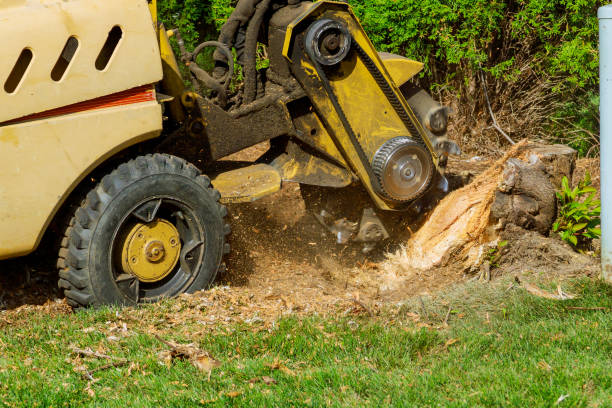
- Stump grinding, if requested.
- Protection for nearby landscaping and structures.
- Cleanup of the work area.
- Additional charges for difficult access or unexpected conditions.
A lower estimate may exclude important services that another contractor includes. Compare the scope of work rather than looking at the total price alone.
Licensing, Credentials, and Local Requirements
Ask whether the company holds any licenses, registrations, or professional credentials required for the specific work and location.
Requirements can differ by jurisdiction and type of project. Property owners in Wichita should check whether local rules apply to the tree’s location, particularly if it is near a public right-of-way or may be subject to specific restrictions.
If a company advertises arborist credentials, ask which credential it holds and who on the crew possesses it. Professional qualifications can help demonstrate relevant knowledge, but they do not replace insurance verification.
Cleanup and Disposal
Tree removal can produce substantial amounts of branches, sawdust, logs, and other debris.
Confirm what happens to the material after cutting. Some companies include hauling and cleanup, while stump grinding or additional disposal may be priced separately.
If you want to keep firewood or reuse wood chips for landscaping, discuss this before work begins. Clear expectations can help avoid disagreements once the tree has been removed.
Questions to Ask Before Hiring an Insured Tree Removal Service
Before signing an agreement, use the following questions to evaluate the company.
| Question | Why It Matters |
|---|---|
| Can you provide a current certificate of insurance? | Helps establish which policies the company reports having. |
| Does your liability policy cover tree removal? | Helps confirm that the work falls within the stated coverage. |
| Is workers’ compensation coverage in place where required? | Helps clarify protection for employees who may be injured. |
| Will subcontractors be involved? | Identifies other businesses that may need to be checked. |
| How will you protect my home and landscaping? | Reveals how the crew plans to manage the site’s hazards. |
| What does the written estimate include? | Clarifies removal, debris disposal, cleanup, and additional services. |
| Are permits or approvals needed? | Helps identify local requirements before work begins. |
| Who should I contact if damage occurs? | Establishes a clear communication process if a problem arises. |
Pay attention to how the company responds. Clear, specific answers are more useful than general assurances that everything will be handled.
If a contractor refuses to provide reasonable insurance documentation, avoids questions about subcontractors, or pressures you to approve the work immediately, consider getting another estimate.
Comparing Insured Tree Removal Services in Wichita, KS
Property owners looking for a tree removal company in Wichita, KS, should evaluate insurance, work quality, and project planning together.
The area’s weather can include strong winds, thunderstorms, and seasonal storms that damage branches or weaken trees. Following severe weather, a tree may be leaning, partially uprooted, or resting against a structure. Such conditions can make removal more complicated than routine tree work.
When comparing local providers, consider these points:
| Evaluation Factor | What to Look For |
|---|---|
| Insurance verification | Current documentation and confirmation of relevant coverage. |
| Local experience | Experience with similar trees, property layouts, and weather-related damage. |
| Safety planning | A clear approach to cutting, rigging, equipment, and restricted areas. |
| Estimate details | Written pricing with the scope of work and cleanup requirements. |
| Service availability | A realistic schedule that accounts for the urgency and hazards involved. |
| Communication | Clear answers about responsibilities, changes, and unexpected conditions. |
Kansas Tree Experts provides tree removal, tree trimming, stump grinding, shrub shaping, land and bush clearance, emergency tree services, and commercial tree care in Wichita and surrounding service areas. Property owners can review the company’s services on the Kansas Tree Experts .
When considering any local provider, verify its current insurance documents and confirm the details of your specific project directly with the company.
When Is Emergency Tree Removal Necessary?
Emergency tree removal may be needed when a tree has fallen onto a structure, is blocking essential access, or presents an immediate risk of collapse.
Warning signs can include a sudden lean, major trunk cracks, a split trunk, exposed or lifted roots, and large hanging branches. These signs do not always mean the entire tree must be removed, but they warrant a professional assessment.
After a storm, keep people away from damaged trees and unstable branches. Do not approach trees touching electrical wires or attempt to cut suspended branches yourself.
When requesting emergency service, explain the tree’s location, visible damage, nearby structures, and any immediate hazards. This information can help the company assess the urgency and determine what equipment or precautions may be needed.
Conclusion
Choosing an insured tree removal service requires more than comparing prices or accepting a contractor’s verbal assurance. Property owners should request current insurance documentation, verify relevant coverage, review written estimates, and assess the company’s experience and safety procedures.
For homeowners and businesses in Wichita, Kansas, these steps can help make tree removal decisions more informed and reduce the risk of avoidable misunderstandings. Confirming debris disposal, stump grinding, permits, and subcontractor responsibilities before work starts can also help ensure that the project meets your expectations.
Kansas Tree Experts offers tree removal and related tree care services in Wichita and surrounding areas. If you are assessing a damaged tree, planning a removal, or comparing service options, contact us through the Kansas Tree Experts to discuss your property, request an estimate, and ask about the details relevant to your project. Always verify current insurance documentation before authorizing tree removal work.
Frequently Asked Questions
1. Why should I hire an insured tree removal service?
An insured tree removal service can help reduce certain financial risks associated with covered property damage and workplace injuries. The protection depends on the company’s policies, coverage limits, exclusions, and the circumstances of a claim. Always verify current coverage before work begins.
2. What insurance should a tree removal company have?
General liability insurance and workers’ compensation are important policies to ask about. Commercial auto and equipment coverage may also be relevant, depending on the company’s operations. Required coverage varies, so confirm the applicable requirements and the details of the proposed work.
3. How can I verify a tree removal company’s insurance?
Request a current certificate of insurance and review the business name, policy types, limits, and effective dates. Contact the insurance agent or insurer to confirm that the policies are active and apply to tree removal operations.
4. Does a certificate of insurance guarantee that I am protected?
No. A certificate summarizes insurance information but does not replace the policy or guarantee payment for every claim. Coverage depends on the policy’s terms, exclusions, limits, and the facts of the incident. Ask the insurer or agent to clarify any uncertainty.
5. Is the cheapest tree removal estimate the best option?
Not necessarily. A low estimate may exclude hauling, stump grinding, cleanup, or other necessary work. Compare written estimates with similar scopes and consider insurance, safety practices, relevant experience, and communication before making a decision.
6. Do I need a permit to remove a tree in Wichita, Kansas?
Permit requirements depend on the tree’s location and the circumstances of the project. Trees on public property, in rights-of-way, or subject to specific local restrictions may require additional approval. Check with the relevant local authority before proceeding if you are unsure.
7. Should I hire a tree removal company after storm damage?
If a damaged tree presents a safety risk, arrange an assessment by a qualified tree care professional. Stay away from unstable trees, hanging branches, and any tree in contact with electrical lines. For immediate danger, contact the appropriate emergency service or utility provider.
8. What should a tree removal estimate include?
A written estimate should explain which tree or trees will be removed, the proposed work, the price, debris disposal, cleanup, and whether stump grinding is included. It should also identify additional charges or conditions that could affect the final cost.
9. Does insurance cover damage caused by a tree removal company?
Coverage depends on the contractor’s policy, the type of damage, exclusions, and the circumstances of the incident. General liability insurance may cover eligible third-party property damage claims, but it does not guarantee that every loss will be covered. Report any incident promptly and contact the relevant insurer.