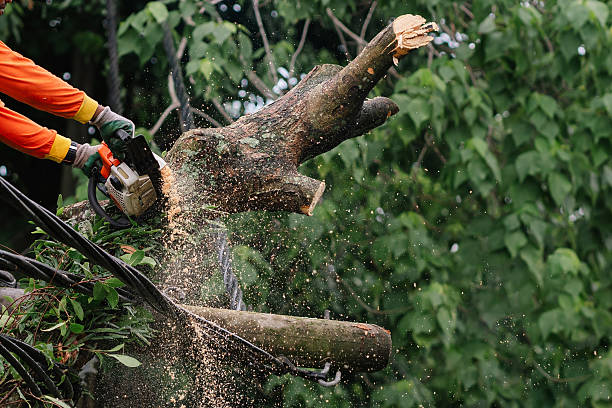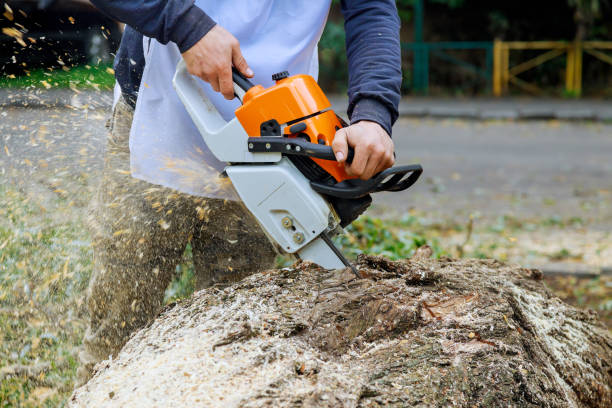

Trees provide shade, improve the appearance of a property, and contribute to a healthier outdoor environment. However, trees need appropriate maintenance to manage overgrown branches, remove damaged limbs, and maintain clearance around buildings and walkways. Choosing the right professional for this work is important because improper trimming can damage a tree, create safety risks, and lead to unnecessary expenses.
When comparing tree trimmers in Wichita, KS, property owners should consider more than the quoted price. Experience, insurance, safety procedures, trimming methods, and the scope of the proposed work all affect the quality of the service. A qualified contractor should assess the tree’s condition, explain the recommended approach, and provide a clear estimate before starting.
Wichita property owners may also need to consider storm-damaged branches, trees growing near structures, and limbs interfering with routine property maintenance. The right trimming approach depends on the tree species, its health, the season, and the reason for the work.
This guide explains how to evaluate tree trimming companies, compare estimates, identify warning signs, and make an informed decision about maintaining trees on residential and commercial properties.
What Do Professional Tree Trimmers Do?
Professional tree trimmers remove selected branches to address specific maintenance, safety, clearance, or structural concerns. The goal is to improve the tree’s condition or manage its growth without removing more material than necessary.
Tree trimming and pruning are often used interchangeably. In practice, pruning commonly refers to selectively removing branches to support tree health, structure, and development, while trimming may also describe work intended to maintain clearance or manage appearance.
Common Tree Trimming Services
A professional tree care company may provide several types of trimming, depending on its services and the tree’s condition.
- Deadwood removal: Removing dead branches that may break or fall.
- Damaged branch removal: Addressing limbs affected by storms, disease, or physical damage.
- Crown thinning: Selectively removing certain branches to reduce crowding while preserving the tree’s natural structure.
- Crown raising: Removing selected lower branches to improve clearance over walkways, driveways, or other areas.
- Crown reduction: Reducing the size of a tree’s canopy where appropriate while maintaining its natural form.
- Clearance pruning: Managing branches that interfere with buildings or other structures.
Not every tree needs every type of pruning. The appropriate work depends on the tree’s species, age, health, location, and intended maintenance goals.
A reliable tree trimmer should explain which branches need attention and why. Avoid unnecessary cutting simply to make a tree look smaller or more uniform.
Why Is Regular Tree Trimming Important?
Tree trimming can help address specific maintenance concerns, but the benefits depend on the condition of the tree and how the work is performed.
1. Removes Dead and Damaged Branches
Dead, broken, or weakened branches may fall during windy conditions or storms. Removing branches that pose a hazard can help reduce the risk of injury or property damage.
However, not every dead branch presents the same level of risk. A qualified professional can assess its location, size, and likelihood of falling before recommending removal.
If a branch has fallen onto a power line, stay away and contact the utility provider. Do not attempt to cut or move it yourself.
2. Maintains Clearance Around Buildings
Branches can grow close to roofs, siding, windows, garages, and other structures. Contact between branches and buildings may cause abrasion or interfere with maintenance.
Selective trimming can help maintain appropriate clearance. The contractor should consider the tree’s natural growth pattern rather than cutting excessively to prevent every possibility of future contact.
3. Supports Tree Structure
Some trees develop crossing branches, weak attachments, or crowded growth. Appropriate pruning can help improve branch structure and reduce certain problems as the tree develops.
The correct approach depends on the species and condition of the tree. Excessive pruning can weaken trees, expose previously shaded bark to sun damage, and encourage undesirable growth.
4. Improves Access and Property Maintenance
Overgrown branches may obstruct driveways, sidewalks, outdoor seating areas, or other frequently used spaces. Trimming can help restore clearance and make routine maintenance easier.
Before work begins, explain how the area is used. This allows the contractor to identify the branches that need attention without removing more of the canopy than necessary.
5. Helps Manage Storm-Related Concerns
Strong winds, heavy rain, and other severe weather can damage branches or reveal structural weaknesses. Regular inspections may help identify some concerns before they become urgent.
However, trimming cannot make a tree completely storm-proof. A tree’s condition, root stability, soil conditions, and weather severity all affect its ability to withstand storms.
Factors to Consider When Choosing Tree Trimmers in Wichita, KS
Selecting a tree trimming company requires evaluating its qualifications, work methods, safety practices, and communication. The following factors can help you compare providers more effectively.
1. Check Experience With Your Tree and Project
Ask whether the company has experience working with the type of tree and conditions found on your property. Trimming a small ornamental tree differs from pruning a mature tree with heavy limbs over a house.
Experience with similar projects can help a contractor identify potential hazards and recommend suitable techniques.
Ask the company to explain the proposed work, including which branches will be removed and how the remaining canopy will be maintained. A reliable professional should be able to describe the reasons for the recommended cuts.
2. Understand the Trimming Method
Proper pruning involves making appropriate cuts while preserving the tree’s structure. Ask how the contractor will approach deadwood removal, clearance pruning, or crown reduction.
Avoid unnecessary topping, which involves cutting back major branches or stems to stubs. Topping can create weak regrowth, increase decay risks, and damage the tree’s natural structure.
A contractor should also avoid removing too much live foliage at once. Excessive pruning can stress a tree, particularly when it is already damaged or unhealthy.
If a proposed trimming plan seems unusually aggressive, ask for an explanation or seek a second opinion from a qualified arborist.
3. Verify Insurance Coverage
Tree trimming may involve chainsaws, climbing equipment, elevated work, and falling branches. Ask for current insurance documentation before approving the project.
General liability insurance may help cover eligible third-party property damage or injury claims, depending on the policy terms. Workers’ compensation requirements depend on applicable law and the contractor’s circumstances.
Ask whether the company uses subcontractors and how their coverage is verified. Do not assume that the primary contractor’s policy automatically covers every person or business involved.
Insurance is an important consideration, but it does not replace safe work practices, proper training, or appropriate equipment.
4. Review Safety Procedures
Professional tree trimming should include a plan for controlling the work area and protecting people and property.
Ask how the crew will manage falling branches, protect nearby structures, and prevent unauthorized access to the work zone. Equipment and procedures should be appropriate for the height of the tree, the size of the limbs, and the surrounding environment.
If a tree is close to electrical lines, the contractor should recognize the hazard and follow the appropriate utility safety procedures. Certain work near energized lines must be handled by qualified utility personnel or appropriately qualified line-clearance professionals.
5. Request a Detailed Written Estimate
A written estimate helps clarify what the contractor will do, what the service costs, and which tasks are excluded.
Before accepting an estimate, check whether it identifies:
- The trees included in the project.
- The type and extent of trimming.
- Branch removal and debris cleanup.
- Hauling and disposal arrangements.
- Equipment or access requirements.
- Any additional charges for unexpected conditions.
- The estimated schedule and payment terms.
Do not assume that every quote includes hauling, stump grinding, or removal of an entire tree. These are separate services unless specifically included in the agreement.
6. Check Customer Reviews and References
Customer feedback can provide insight into communication, punctuality, cleanup, and the contractor’s handling of unexpected problems.
Look for repeated patterns across multiple reviews instead of relying on a single rating. If possible, request references for projects similar to yours.
You can also review the services and business information available through Kansas Tree Experts when researching local tree care options.
7. Consider Local Experience in Wichita
Local experience can be useful when assessing tree maintenance needs, property layouts, and weather-related damage. Trees may experience stress from drought, strong winds, temperature changes, and other local environmental conditions.
However, a contractor’s familiarity with Wichita should complement, not replace, an individual assessment of your trees.
Ask how the company evaluates tree condition, identifies hazardous limbs, and determines which branches should be removed. The recommendation should be based on the actual tree and site rather than a one-size-fits-all trimming schedule.
Questions to Ask Before Hiring a Tree Trimming Company
Before scheduling work, ask direct questions that help you understand the contractor’s approach.
| Question | Why It Matters |
|---|---|
| What trimming work does the tree need? | Clarifies the purpose and scope of the service. |
| Which branches will be removed? | Helps prevent unnecessary cutting. |
| Do you have experience with this type of tree? | Establishes relevant project experience. |
| Can you provide current insurance documentation? | Helps verify appropriate coverage. |
| How will you protect nearby structures? | Explains the plan for managing property risks. |
| Is debris cleanup included? | Clarifies responsibility for branches and waste. |
| Will you use subcontractors? | Identifies other parties involved in the work. |
| What is the total estimated cost? | Helps compare proposals fairly. |
| Do you recommend any follow-up maintenance? | Helps you plan future tree care. |
A dependable contractor should answer these questions clearly and explain any limitations. If the proposed work is unclear, request clarification before signing an agreement.
Warning Signs to Watch for When Hiring Tree Trimmers
Some warning signs suggest that a contractor needs to provide more information before you proceed.
No written estimate: Without a clear scope and price, it may be difficult to resolve disagreements about the work.
Unclear insurance documentation: Missing or expired documents should be addressed before work begins.
Pressure to make an immediate decision: Take time to understand the proposed service and compare options, particularly when the project is expensive or complex.
Recommendations for excessive cutting: Removing large amounts of live canopy without a clear reason may harm the tree. Ask why the work is necessary.
Unsafe equipment or work practices: The crew should manage falling branches, maintain a suitable work zone, and address overhead hazards.
Unclear cleanup arrangements: Confirm whether branches and other debris will be hauled away or left on the property.
One warning sign does not automatically prove that a contractor is unqualified. However, unresolved concerns about safety, insurance, or the proposed trimming method are good reasons to pause and ask further questions.
How Often Should Trees Be Trimmed?
There is no single trimming schedule that suits every tree. The appropriate frequency depends on the species, age, growth rate, health, location, and reason for pruning.
Young trees may benefit from structural pruning as they develop. Mature trees may need occasional maintenance to remove deadwood, address specific structural concerns, or maintain clearance. Some trees require very little routine pruning when they are healthy and properly located.
Instead of trimming every tree on a fixed annual schedule, inspect trees periodically and arrange professional assessments when you notice changes.
Signs that a tree may need attention include:
- Dead or broken branches.
- Branches rubbing against a roof or another structure.
- Cracked or hanging limbs.
- Noticeable changes in branch structure.
- Limbs obstructing frequently used areas.
- Storm damage or other visible deterioration.
The timing of pruning also matters. Some species and pruning objectives are best addressed during particular seasons, while hazardous branches may require prompt attention regardless of the season.
A qualified tree care professional can recommend a suitable schedule based on the tree’s condition and local growing conditions.
What Affects the Cost of Tree Trimming in Wichita, KS?
Tree trimming costs vary according to the size and condition of the tree, the complexity of the work, and the equipment required. A small tree in an open yard may be less expensive to trim than a mature tree with large branches over a house.
| Cost Factor | How It Can Affect Pricing |
|---|---|
| Tree height and size | Larger trees may require more labor and specialized equipment. |
| Branch condition | Dead, damaged, or unstable limbs may require additional precautions. |
| Accessibility | Limited access can increase labor or equipment requirements. |
| Nearby structures | Work close to buildings may require more controlled removal. |
| Trimming method | Extensive crown work may require more time than basic deadwood removal. |
| Debris disposal | Hauling and disposal may add to the total cost. |
| Number of trees | Multiple trees may affect the overall project estimate. |
When comparing tree trimming services in Wichita, KS, make sure each contractor is quoting comparable work. One estimate may cover deadwood removal only, while another includes crown thinning and debris hauling.
Request a written breakdown and ask how unexpected conditions will affect the price. The lowest estimate is not necessarily the best option if it excludes important tasks or does not adequately address safety.
What to Expect Before, During, and After Tree Trimming
Understanding the process can help you prepare your property and set realistic expectations.
Before the Work
Identify the trees that need attention and explain your concerns to the contractor. Discuss nearby buildings, vehicles, fences, walkways, and utility lines.
Ask which branches will be removed and whether you need to move vehicles or outdoor furniture. Confirm the work schedule, payment terms, and cleanup arrangements.
During the Work
The crew should establish an appropriate work zone and use equipment suited to the project. Branches should be removed using a method that considers the tree’s structure and nearby hazards.
Keep children, pets, and other people away from the work area until the contractor confirms it is safe to return.
After the Work
Review the completed work and confirm that the agreed cleanup has been performed. The tree should retain an appropriate structure for its species and condition.
If you have concerns about the amount of material removed or the remaining branches, discuss them with the contractor before considering the job complete.
Keep the estimate and relevant communications for your records. These documents can help clarify the work performed and any recommendations for future maintenance.
Conclusion
Choosing the right tree trimmers in Wichita, KS, starts with understanding what your trees need and evaluating contractors carefully. Look for relevant experience, appropriate insurance, safe work procedures, clear estimates, and a trimming plan that respects the tree’s structure.
Before approving the work, confirm which branches will be removed, whether debris cleanup is included, and how the contractor will manage nearby buildings, landscaping, and utility hazards. Comparing the full scope of each proposal can help you make a more informed decision than choosing based on price alone.
Kansas Tree Experts provides tree care services, including tree trimming, for property owners in Wichita and surrounding communities. If you need guidance on maintaining trees on your property, contact us through the Kansas Tree Experts website to discuss your needs and request an estimate. A clear understanding of the proposed work can help you plan appropriate tree maintenance and keep your property in better condition.
Frequently Asked Questions About Tree Trimmers in Wichita, KS
How do I choose the best tree trimmers in Wichita, KS?
Compare contractors based on experience, trimming methods, insurance, safety procedures, written estimates, and cleanup arrangements. Ask for a clear explanation of the recommended work before making a decision.
What is the difference between tree trimming and tree pruning?
The terms often overlap. Pruning generally refers to selectively removing branches to support tree health, structure, or safety, while trimming may also refer to maintaining clearance and managing growth. The appropriate method depends on the tree and the reason for the work.
How often should trees be trimmed in Wichita?
The ideal frequency depends on the tree species, age, condition, growth rate, and location. Some trees need occasional maintenance, while others may require more regular structural pruning. A professional assessment can help determine an appropriate schedule.
Should I hire an insured tree trimming company?
Verifying insurance is an important part of evaluating a contractor. Ask for current documentation and confirm that the relevant activities are covered. Also review safety practices, experience, and the written estimate.
What should a tree trimming estimate include?
An estimate should describe the trees being serviced, the proposed trimming work, the price, debris cleanup, disposal arrangements, scheduling, and potential additional charges. Request clarification about anything that is excluded.
Can tree trimming prevent storm damage?
Proper trimming can address certain hazards, such as dead or damaged branches, but it cannot eliminate all storm-related risks. Tree stability, root condition, weather severity, and other factors also affect storm performance.
Is it safe to trim branches near power lines?
Branches near electrical lines can create serious hazards. Do not attempt to trim them yourself. Contact the utility provider and use qualified professionals who follow the applicable requirements for line-clearance work.
Does Kansas Tree Experts provide tree trimming services?
Kansas Tree Experts provides tree care services in Wichita and surrounding communities, including tree trimming and other related services. Property owners can visit the company’s website to learn more about its services and discuss their tree care requirements.