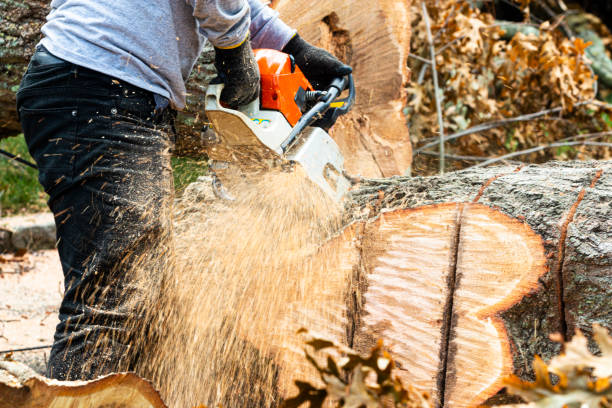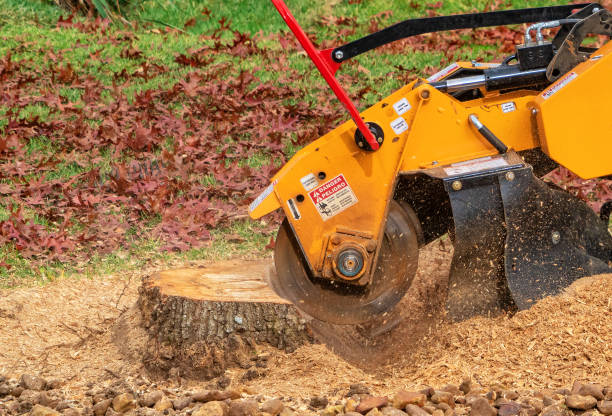
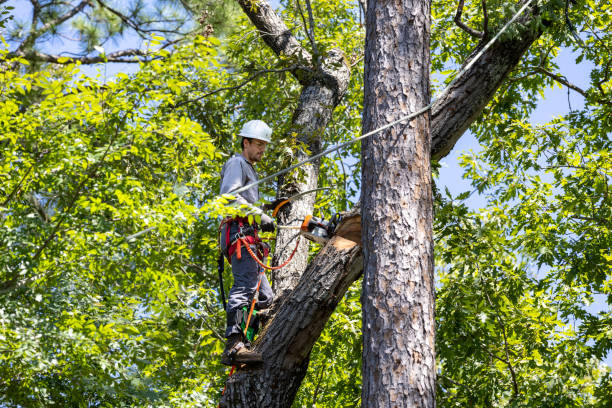
Cutting down a dead or hazardous tree is only half the battle. Once the chainsaw engines turn off and the dust settles, you are often left staring at an enormous mountain of green brush, heavy log rounds, and scattered limbs taking over your entire lawn. A single mature shade tree can easily produce three to five tons of dense organic debris.
If you have ever tried dragging heavy branches to the curb by hand or stuffing twigs into standard yard waste bags, you know how backbreaking the job can be. Most municipal trash programs in south-central Kansas will not accept large logs or massive brush piles left at the street.
That is where a professional tree hauling service becomes essential.
Understanding how post-removal cleanup works helps you plan your project, avoid unexpected yard fees, and keep your property looking spotless. In this guide, we walk you through what happens after the tree trimming, how a commercial wood chipping service operates, what hauling typically costs, and the cleanup standards you should expect from a quality local crew.
The Scale of the Mess: Why Tree Debris Piles Up Fast
Homeowners are often shocked by how much material comes out of a single tree. When a tree is standing tall, the canopy looks compact. But once those limbs are pruned, dropped, and laid out flat across your lawn, the volume expands dramatically.
According to municipal solid waste assessments from K-State Research and Extension, yard waste and woody material account for roughly 15% to 20% of all municipal solid waste generated in communities throughout Kansas during storm and pruning seasons. Furthermore, urban forestry processing data shows that running tree brush through a high-powered wood chipper reduces the physical volume of green waste by as much as 75%, turning a sprawling mountain of awkward branches into a compact, manageable pile of useful mulch.
Without proper equipment, hauling that much timber requires dozens of trips to a transfer station or green-waste facility, plus costly trailer rentals and dump fees.
4 Common Options for Handling Wood After Removal
When you hire a crew to remove a tree or trim heavy limbs, you generally have four choices for handling the leftover wood. The best option depends on your budget, property size, and how you want to use the material.
1. Complete Haul-Away and Green Waste Recycling
This is the most popular choice for residential homeowners. The tree crew feeds all small branches and brush into a commercial chipper, loads the heavy trunk logs into a grapple truck or dump trailer, and transports everything off-site. The wood is taken to local recycling centers where it is processed into compost or commercial landscape mulch.
2. On-Site Wood Chipping for Lawn and Garden Mulch
If you maintain flowerbeds, walking paths, or a vegetable garden, you can request that the crew chip the branches on-site and leave the wood chips on your property. Fresh wood chips make excellent organic ground cover that retains soil moisture, suppresses weeds, and moderates root temperature during hot Kansas summers.
3. Log Cutting for Firewood
If you have an indoor fireplace, an outdoor fire pit, or a wood stove, you can ask the crew to buck the main trunk logs into manageable firewood lengths, typically 16 to 18 inches long. The crew hauls away the messy brush and leafy twigs, leaving the dense firewood neatly stacked or placed in a convenient spot for you to split and season.
4. Leaving Logs for Custom Milling
Owners of large, high-value hardwood trees such as black walnut or bur oak sometimes choose to keep straight trunk sections for custom lumber milling. If you choose this path, the crew uses controlled rigging to keep the main log intact and free of ground dirt before staging it for a mobile sawyer.
What Happens to Tree Debris: At-A-Glance
| Disposal Method | What Happens to the Material | Best Suited For | Homeowner Benefit |
| Full Service Haul-Away | All brush chipped; logs loaded and transported to recycling centers | Standard suburban yards with limited storage space | Zero physical labor; lawn is completely cleared and raked clean. |
| On-Site Wood Chipping | Brush is processed into fresh organic mulch left in a pile on-site | Gardeners, landscaped acreage, rural properties | Free, high-grade ground cover for flowerbeds and moisture retention. |
| Firewood Cut (Bucking) | Trunk logs cut into 16-inch sections; small branches hauled away | Homeowners with wood stoves, fire pits, or fireplaces | Free seasoned heating fuel once cured; lower overall hauling fees. |
| Stump Grind Dispersal | Underground roots pulverized into fine mulch mix | Properties preparing for new turf, sod, or flower planting | Eliminates tripping hazards and leaves nutrient-rich fill dirt for lawn grading. |
How a Commercial Wood Chipping Service Works
A commercial wood chipping service is the heart of any professional tree cleanup operation. Instead of loading loose, airy branches into a truck bed (which fills up after only two or three limbs), crews use industrial-grade drum or disc chippers powered by heavy diesel engines.
Here is how the chipping process works on your property:
- Branch Staging: Ground crew members gather cut branches, point the cut ends toward the chipper hopper, and stack them in uniform piles to streamline feeding.
- Mechanical Infeed: Modern chippers use hydraulic feed rollers that grab branches with thousands of pounds of pressure, pulling entire limbs into the spinning cutting wheel automatically.
- High-Velocity Discharge: The internal blades slice the wood into uniform chips, firing them through an elevated discharge chute directly into an enclosed chip truck.
- Safety Protocols: Ground workers wear complete personal protective equipment, including steel-toed boots, heavy gloves, eye protection, and high-decibel ear protection. They maintain safe stand-off distances to avoid kickback from dense Kansas hardwoods like hedge or oak.
How Much Does a Tree Hauling Service Cost?
Pricing for tree hauling services depends on the volume of material, the size and weight of trunk logs, how far equipment must travel from the street to your yard, and local green waste disposal fees.
When you book a full tree removal, many companies include hauling in the total project price. However, if you already have a fallen tree from a storm or cut down limbs yourself, here is what standalone hauling and chipping typically run across the Wichita area:
| Cleanup Service Scope | Average Cost Range | What the Service Covers |
| Small Brush Pile Chipping | $150 to $300 | Chipping a modest pile of pruned branches up to 4 inches thick; raking work area. |
| Full Medium-Tree Haul-Away | $300 to $650 | Chipping all branches, loading trunk logs into a dump trailer, and paying disposal fees. |
| Large-Scale Multi-Tree Hauling | $700 to $1,500+ | Heavy grapple truck operation for massive trunks, large storm piles, and multiple loads. |
| Stump Grind Shavings Cleanup | $100 to $250 | Scooping, hauling, and leveling wood chips left behind by stump grinding machinery. |
Budget Tip: Always ask your tree service company upfront whether hauling and disposal are included in your written estimate. Some low-bid contractors will cut a tree down for a cheap price but leave the heavy wood piled on your grass, charging an extra fee later to haul it away.
Why You Should Avoid Leaving Large Wood Piles in Your Yard
It can be tempting to save a few dollars by letting a big pile of logs and brush sit in the corner of your yard while you plan to deal with it later. However, leaving untreated green wood sitting on the ground creates several problems:
- Pest and Termite Infestations: Moist, decaying wood draws carpenter ants, wood-boring beetles, and subterranean termites within weeks. If that pile sits near your foundation, those insects will eventually migrate into your home’s structural framing.
- Rodent and Wildlife Harbors: Thick brush piles provide shelter for mice, rats, raccoons, and snakes looking for nesting spots close to neighborhood food sources.
- Lawn Suffocation: Heavy logs and piles of brush block sunlight and trap moisture, suffocating your turfgrass and creating large dead spots that require reseeding or re-sodding.
- City Code Violations: Many municipalities maintain strict nuisance ordinances regarding accumulated yard waste and dead timber piles visible from the street or neighboring fence lines.
Finish Your Tree Removal With a Clean Yard
Handling tree debris properly is an important part of keeping your property clean and usable after removal. From hauling heavy logs to chipping branches for mulch, choosing the right cleanup method helps you avoid unnecessary work and manage disposal costs.
At Kansas Tree Experts, we help Wichita homeowners manage tree debris with reliable equipment, clear estimates, and thorough cleanup.
If you need a reliable tree hauling service in Wichita, contact us to discuss your cleanup requirements and request an estimate today!
Frequently Asked Questions
Can I put large tree limbs out for regular city trash collection?
In most parts of the Wichita metro area, standard residential trash collection will not accept large logs or oversized limbs. Curbside programs typically accept only small twigs bundled with twine within strict weight and length limits.
What should I do with leftover wood chips from chipping?
Fresh wood chips work well as natural mulch around landscape beds, garden paths, and around the base of mature trees. They help keep soil moist, suppress weeds, and slowly break down into nutrient-rich organic matter over time.
Can tree crews haul away wood that another company cut down?
Yes. Professional crews regularly handle standalone debris removal and wood chipping for homeowners who have existing brush piles left behind by storms, past DIY work, or other contractors who did not finish the cleanup.
How quickly should tree debris be removed from my lawn?
You should aim to clear large piles within one to two weeks. Leaving dense piles of brush or heavy logs on your grass longer than that will block sunlight, kill your turf, and attract pests like termites and mice.
Do I have to keep the firewood if the crew cuts down my tree?
No. If you have no use for firewood, the crew can load the logs and haul them away to a local recycling facility. Just be sure to specify that you want complete haul-away when requesting your quote.
What happens to the tree wood after it gets hauled away?
Most local tree services deliver hauled timber and wood chips to local green-waste recycling centers. The wood is ground down, screened, and repurposed into commercial garden mulch, compost blends, or biomass materials rather than sent to landfills.