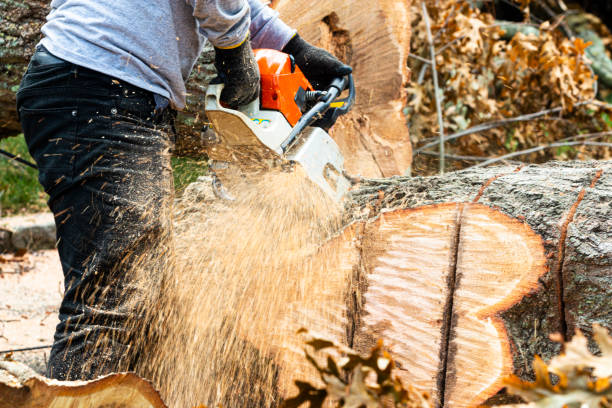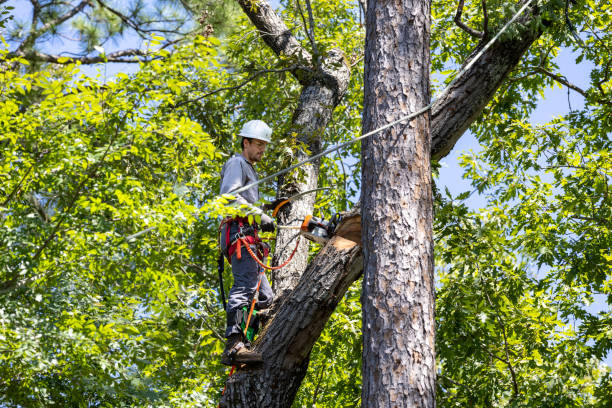
After cutting down a dead or hazardous shade tree, many property owners think the hardest part of the job is behind them. But once the limbs and trunk logs are hauled away, you are left looking at an unsightly, stubborn wooden stump sticking straight out of your turf.
Leaving an old stump in your yard might seem harmless at first glance, but it creates real headaches over time. It ruins your curb appeal, forces you to steer your lawnmower around an obstacle, and serves as an open invitation for subterranean termites and wood-boring insects.
When you book a professional stump grinder service, what actually happens on your property? Does the crew just shave off the top inch of wood, or do they grind the roots deep into the dirt? What happens to the mountain of fresh wood mulch left behind?
In this guide, we break down how commercial machinery operates, what depth standards matter for replanting, how stump grinding removal differs from manual excavation, and what Wichita homeowners should expect from an experienced crew.
Why Leaving Old Tree Stumps Behind Is a Problem
It is common to see property owners leave a stump alone to save a few dollars. However, untreated stumps do not simply rot away quietly over a weekend. Hardwoods like bur oak, green ash, or hedge can take anywhere from ten to twenty years to decompose naturally in Kansas soils.
Beyond pest risks, exposed stumps cause practical lawn problems:
- Mower and Equipment Damage: Striking a hidden stump or raised surface root with your mower blade bends crankshafts, shatters cutting decks, and ruins expensive yard equipment.
- Aggressive Sucker Growth: Species like cottonwoods, Siberian elms, and silver maples do not die when the trunk is cut. The root system continues pumping sap, sending up dozens of fast-growing, spindly suckers that crowd your turfgrass.
- Fungal Root Spread: Old stumps often harbor honey fungus and wood-rotting organisms. These fungal networks spread underground through root grafts, infecting healthy nearby shrubs, ornamental trees, and flowerbeds.
What a Complete Stump Grinder Service Entails
A legitimate tree care company treats stump work like a precision excavation project. Rather than rushing through with an undersized rental machine, an expert crew completes a systematic, six-step process.
1. Underground Utility Location (Call 811)
Before any heavy steel touches your dirt, your contractor must verify where underground lines are buried. Gas lines, electrical conduits, fiber optic cables, and irrigation pipes often run alongside tree roots. In Kansas, confirming that public utilities have been marked ensures that high-speed cutting wheels never hit buried infrastructure.
2. Site Preparation and Debris Clearing
Ground workers shovel away surrounding turf, mulch, landscaping stones, and loose gravel around the root collar. Striking river rock or gravel with carbide teeth dulls the machine and turns loose pebbles into hazardous flying projectiles.
3. Setting Up Protective Flying-Debris Screens
Stump grinder cutting wheels spin at over 1,000 revolutions per minute. Technicians place heavy-duty mesh barriers and ballistic shielding around the work zone to catch flying wood chips, protecting nearby windows, siding, patio furniture, and vehicles.
4. Grinding the Stump and Surface Flare Roots
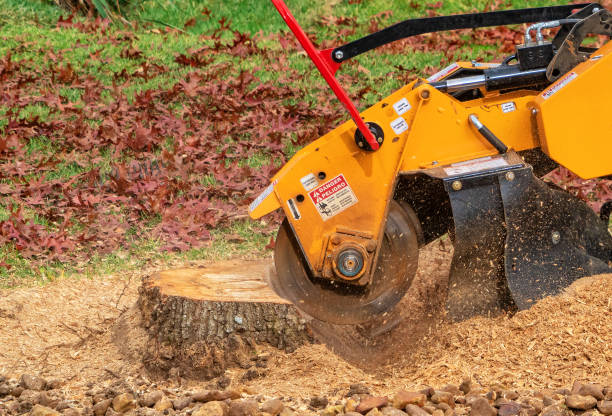
The operator maneuvers the machine over the target. Using hydraulic controls, the spinning cutting wheel swings back and forth in smooth arcs, shaving the stump down layer by layer. A thorough service grinds not only the central bole but also the flared structural anchor roots spreading out into the lawn.
5. Managing the Mulch Mixture
Grinding an average stump creates a surprising volume of organic material. The cutting teeth blend native soil with pulverized wood, producing a rich mix of wood mulch. Depending on the service agreement, the crew either backfills the hole to ground level or hauls excess mulch away.
6. Final Work Area Cleanup
The crew sweeps sidewalks, rakes scattered chips off the turf, blows dust off driveway concrete, and leaves the lawn neat and level.
Grinding vs. Total Stump Removal: What Is the Difference?
Homeowners often ask whether they need grinding or complete root removal. The table below outlines how these two methods compare in cost, equipment, and yard impact:
| Service Factor | Professional Stump Grinding | Full Stump Excavation (Removal) |
| Method Used | High-speed rotating wheel with carbide teeth shaves wood into mulch | Heavy backhoe or excavator rips the entire root ball out of the earth |
| Typical Depth | 4 to 12 inches below the lawn surface | 3 to 5 feet deep, removing primary root anchors |
| Lawn Disturbance | Minimal; localized to a 4-to-6-foot radius around the stump | Severe; heavy tracks tear up grass and create massive craters |
| Equipment Access | Fits through standard 36-inch backyard fence gates | Requires wide access paths for heavy industrial digging machinery |
| Average Cost | $100 to $350 per stump | $600 to $1,500+ due to heavy excavation and fill-dirt hauling |
| Best Used For | Re-sodding, patio installations, routine lawn care, pest defense | Major construction, building house foundations, road expansion |
How Deep Does a Stump Need to Be Ground?
Grinding depth is one of the most critical aspects of the job, and it depends entirely on what you plan to do with that patch of ground once the work is finished.
- Shallow Grind (3 to 5 Inches Below Grade): Suitable if you simply want the stump out of sight so it no longer interferes with mowing. The hole is filled with mulch and topsoil, and shallow-rooting turfgrass seed or sod is planted over top.
- Standard Grind (6 to 8 Inches Below Grade): The industry standard for most residential properties. This depth removes the root flare completely, stops tree re-sprouting, and provides plenty of room for a thick layer of topsoil and strong turf root development.
- Deep Grind (10 to 18 Inches Below Grade): Recommended if you plan to install a concrete patio, pour a new driveway, or plant a new shade tree in the exact same footprint. Reaching this depth eliminates heavy taproots and buried structural wood that could settle or decompose unevenly under concrete slabs.
What Does a Stump Grinding Service Cost in Wichita?
Stump grinding pricing is straightforward and typically calculated by the diameter of the stump at its widest point (including exposed flare roots), the tree species, and backyard accessibility.
The table below outlines average costs for stump grinding across the Wichita metro area:
| Stump Size & Condition | Approximate Diameter | Average Cost Range | What the Job Entails |
| Small Stump | Up to 12 inches | $90 to $175 | Quick grind on small redbuds, ornamental pears, or fruit trees; level backfill. |
| Medium Stump | 13 to 24 inches | $175 to $275 | Grinding mid-sized elms, pines, or sweetgums down 6 to 8 inches; flare root clearing. |
| Large Mature Stump | 25 to 40 inches | $275 to $450 | Heavy grinding of wide silver maples or green ash; large mulch pile backfilled. |
| Massive / Surface Roots | 40+ inches with runners | $450 to $700+ | Extended machine time for giant cottonwoods or bur oaks with extensive surface roots. |
| Multiple Stumps Package | Multiple units on site | Discounted per unit | Significant per-stump savings when booking 2 or more stumps on the same visit. |
Homeowner Tip: When gathering quotes, always verify whether the price includes chasing surface root runners. Some low-bid contractors only grind the central stump circle, leaving hard surface roots exposed in your grass that will still trip your family and damage your mower.
Why You Should Never Try to Burn or Chemically Dissolve Stumps
When faced with an annoying stump, homeowners frequently ask about chemical stump removers or controlled burning. Both methods sound easy, but they rarely deliver good results.
Chemical rot-accelerators rely on potassium nitrate granules poured into drilled holes. These chemicals take anywhere from twelve to twenty-four months to soften the wood, leaving a rotting, chemical-soaked sponge in your yard that still requires manual chopping with an axe.
Pouring diesel or kerosene over a stump and setting it ablaze is even worse. In residential city limits, open burning is often illegal and creates serious fire hazards during dry, windy Kansas seasons. Furthermore, dense green stumps do not burn down into ash. They smolder for days, filling your neighborhood with acrid smoke while leaving a charred, half-burned chunk of wood buried just below the dirt.
Using a dedicated mechanical stump grinder is the only method that eliminates the hazard in under an hour without chemical runoff or fire risks.
Clear the Way for a Better Yard
An old stump can get in the way of lawn maintenance, landscaping plans, and everyday use of your outdoor space. Grinding it to the appropriate depth helps you reclaim the area without the extensive disruption of removing the entire root system.
At Kansas Tree Experts, we help Wichita homeowners choose practical stump grinding solutions based on their yard conditions and future plans.
Ready to get rid of a stubborn stump? Contact us to discuss your project and request a free estimate.
Frequently Asked Questions
1. Can I plant a new tree in the exact same spot after stump grinding?
It is best to plant a new tree at least 3 to 5 feet away from the old spot. The soil where the stump was ground contains sawdust, wood shavings, and old roots that deplete nitrogen as they break down, slowing new root growth.
2. What should I do with the wood mulch left behind by the grinder?
You can use the fresh wood chips as weed-suppressing mulch around your garden beds and flower borders. Alternatively, you can mix some of it with topsoil to fill the grind hole flush with your lawn and plant new grass seed.
3. How long does it take a professional crew to grind out a stump?
Most residential stumps take between 20 and 45 minutes to grind down completely. Larger hardwoods with widespread surface roots or challenging slope access may take an hour or more from setup to final cleanup.
4. Will the roots of the ground stump continue to grow underground?
No. Once the main stump and root flare are disconnected from the trunk and ground below the surface, the remaining underground roots can no longer produce leaves or photosynthesize. The roots naturally die and slowly decay into the surrounding soil.
5. Do I need to be home while the stump grinding service is performed?
Not necessarily, as long as our crew has clear access to the yard through unlocked gates, pets are kept indoors, and any underground private features like sprinkler heads or low-voltage lighting wires are clearly marked.
6. Will the stump grinder tear up my lawn on the way to the backyard?
Professional equipment uses specialized low-pressure rubber tracks or large turf tires designed to distribute machine weight evenly. Crews also place protective ground mats over soft or wet turf to prevent ruts and keep your lawn looking great.