Removing a tree is not always the final step in improving a yard. After a tree has been cut down, the remaining stump can interfere with lawn maintenance, landscaping, outdoor activities, and future property improvements. For many homeowners, stump grinding is a practical way to deal with this leftover obstruction without excavating the entire root system.
Wichita stump grinding is a service that uses specialized equipment to grind a tree stump into small wood chips, typically below the surrounding ground level. The resulting area can then be prepared for grass, landscaping, or other suitable uses, depending on the depth of grinding and the condition of the soil.
For property owners in Wichita, Kansas, choosing the right approach involves considering the stump’s size, location, accessibility, and proximity to underground utilities or nearby structures. Understanding the process also helps you compare estimates, prepare your yard, and decide what should happen after the stump has been ground.
This guide explains how stump grinding works, how it differs from complete stump removal, which factors influence pricing, and what to consider before hiring a professional.
What Is Wichita Stump Grinding?
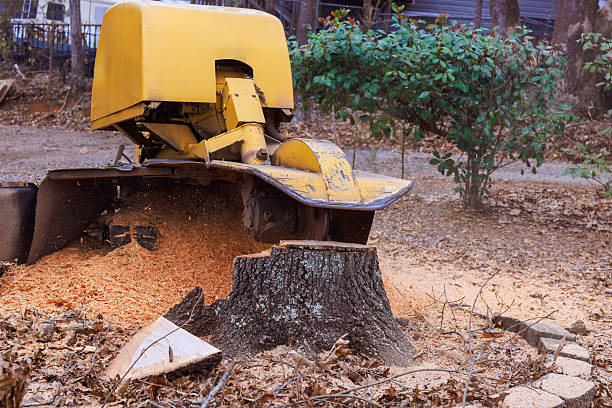
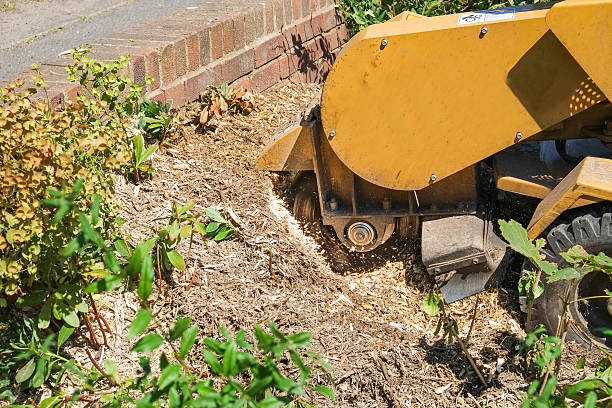
Stump grinding is the process of using a rotating cutting wheel to break down a tree stump into small wood chips. The equipment gradually grinds the visible stump and can extend below ground level to reduce the remaining obstruction.
Unlike complete stump excavation, stump grinding generally leaves most of the larger root system in the ground. Those roots gradually decompose over time.
Property owners often arrange stump grinding after tree removal, but the service may also be considered for older stumps left behind by previous landscaping work.
How Does Stump Grinding Work?
A professional stump grinding project generally involves several steps:
- Site inspection: The operator assesses the stump’s dimensions, condition, location, and accessibility.
- Work area preparation: The surrounding area is checked for obstacles, and appropriate safety measures are established.
- Equipment positioning: The stump grinder is positioned so the cutting wheel can reach the stump safely.
- Grinding: The machine reduces the stump into wood chips, working to the agreed depth.
- Debris management: The resulting chips are collected, redistributed, or left in a designated area according to the service agreement.
- Site assessment: The remaining depression is evaluated, and any agreed filling or finishing work is completed.
The exact procedure depends on the stump’s size, species, condition, and location. Larger stumps or those in restricted spaces may require more time and specialized equipment.
Why Should Property Owners Consider Stump Grinding?
A tree stump may seem harmless, but it can become an obstacle when maintaining or improving a property. Stump grinding can address several practical concerns.
1. Improve Yard Safety
Stumps can create tripping hazards, particularly when grass grows around them or the stump is difficult to see. They may also obstruct lawnmowers and other yard equipment.
Grinding the stump below ground level helps remove the visible obstruction. However, property owners should still inspect the area afterward for exposed roots, uneven soil, or other hazards.
2. Make Landscaping Easier
A remaining stump can limit where you place garden beds, shrubs, walkways, or other landscaping features.
Stump grinding can create more usable space, although the area may need additional soil, grading, and preparation before new landscaping begins. If you intend to plant another tree in the same location, consider the remaining roots, soil conditions, and the space required by the new tree.
3. Simplify Lawn Maintenance
Stumps can make mowing and trimming difficult. Grass and weeds may grow around the base, requiring extra attention during routine maintenance.
Grinding the stump can make the area easier to maintain. The finished surface may still need leveling, soil replacement, and reseeding before it blends into the surrounding lawn.
4. Address Decaying Wood and Pest Concerns
Old stumps gradually decay and may attract certain insects or fungi. Depending on the tree species and local conditions, decaying wood can provide habitat for organisms that property owners may not want near buildings.
Stump grinding reduces the amount of exposed stump material, but it does not guarantee that all insects, fungi, or roots will disappear. If a stump has signs of a serious pest problem, ask a qualified professional about the appropriate next steps.
5. Prepare for Future Property Improvements
A stump can interfere with plans for a patio, fence, garden, or lawn renovation. Grinding may help clear the area, depending on the depth and the requirements of the planned project.
For foundations, major construction, or installations requiring extensive excavation, grinding alone may not be sufficient. Discuss the planned improvement with the contractor before deciding whether the stump and larger roots need more extensive removal.
Stump Grinding vs. Complete Stump Removal
Stump grinding and complete stump removal are related services, but they do not produce the same result. Understanding the difference helps property owners select the appropriate option.
| Feature | Stump Grinding | Complete Stump Removal |
|---|---|---|
| Main process | Grinds the stump into wood chips | Excavates the stump and may remove substantial roots |
| Root system | Most larger roots remain underground | More of the root system may be removed |
| Soil disturbance | Generally more limited | Usually involves more excavation |
| Equipment | Stump grinder and related equipment | May require an excavator or other digging equipment |
| Site restoration | May require filling, leveling, and reseeding | Usually requires backfilling and more extensive restoration |
| Suitable applications | Lawn maintenance and many landscaping projects | Projects requiring more extensive removal of roots and woody material |
Which Option Is Better for Your Property?
Stump grinding is often suitable when the goal is to remove the visible stump and reclaim surface space without excavating the entire root system.
Complete removal may be more appropriate when a construction project requires the root system to be cleared, when the stump must be extracted for a specific purpose, or when the project design requires deeper excavation.
Neither option is automatically best for every property. The intended use of the area, stump condition, access limitations, and total project cost should guide the decision.
What Affects the Cost of Stump Grinding in Wichita?
The cost of stump grinding varies according to the work required. An accurate estimate should account for the specific stump and the conditions surrounding it.
1. Stump Size and Diameter
Larger stumps generally require more grinding time and may produce more wood chips. Contractors may measure the stump’s diameter at ground level or use another stated measurement method.
When requesting estimates, ask how the stump will be measured so you can compare quotes consistently.
2. Tree Species and Wood Condition
Some tree species have denser wood than others. The condition of the stump, including its hardness, decay, and root structure, can influence how easily the equipment can process it.
A heavily decayed stump may behave differently from a solid stump, so the operator should assess the actual conditions before estimating the work.
3. Accessibility and Equipment Requirements
A stump in an open yard may be easier to access than one behind a narrow gate, beside a retaining wall, or between buildings.
Restricted access can affect the equipment that can be used and the time needed to complete the job. Ask whether the estimate accounts for access limitations and any additional preparation.
4. Number of Stumps
Grinding several stumps during one visit may change the overall project price. The cost depends on the size and location of each stump, travel and setup requirements, and whether the work can be completed efficiently in one visit.
Provide the contractor with a list of all the stumps you want addressed.
5. Grinding Depth and Cleanup
The depth of grinding can affect the amount of work required. A shallow grind for lawn maintenance may differ from a deeper grind needed for a particular landscaping plan.
Cleanup is another important factor. Some estimates include collecting and hauling away wood chips, while others leave the material on-site. Filling the depression with soil, leveling the ground, and reseeding may also be separate services.
How to Compare Stump Grinding Estimates
Request a written estimate that specifies:
- The stump or stumps included in the project.
- The grinding depth or intended finished level.
- Whether exposed surface roots are included.
- How wood chips will be handled.
- Whether filling, grading, and reseeding are included.
- Any additional charges related to access or equipment.
- The expected schedule and payment terms.
A lower initial quote may not cover the same work as a higher one. Compare the complete scope before making a decision.
How to Prepare Your Property for Stump Grinding
Preparing the area helps the contractor work efficiently and reduces avoidable problems.
1. Identify Underground Utilities
Before stump grinding begins, discuss underground utility lines, irrigation systems, landscape lighting, drainage pipes, and other buried features with the contractor.
Arrange the appropriate utility-location service before work starts, following applicable requirements. Do not assume that all private underground lines will be identified automatically. Tell the operator about any known installations on your property.
2. Clear the Work Area
Move outdoor furniture, toys, tools, decorations, and vehicles away from the work area. Keep children and pets away from the equipment and the designated work zone.
Stump grinders can throw wood chips and small debris. The operator should establish suitable safety precautions for the site.
3. Discuss Nearby Structures
Tell the contractor if the stump is close to a fence, retaining wall, building, driveway, walkway, or garden feature. These conditions may affect the equipment’s position and the work that can safely be completed.
If the stump is close to a property boundary, confirm that you have permission to authorize work in the relevant area.
4. Explain Your Plans for the Ground
Before the work begins, explain whether you intend to grow grass, install landscaping, or prepare the area for another project.
This helps the contractor determine the appropriate grinding depth and clarify whether additional excavation or soil preparation may be necessary. If you are planning construction, provide the relevant requirements rather than assuming that standard stump grinding will be sufficient.
What Happens After a Stump Is Ground?
Stump grinding does not automatically leave the area ready for every landscaping purpose. The next steps depend on the amount of material removed and how you intend to use the ground.
Managing Wood Chips
Grinding produces a mixture of wood chips and smaller organic material. Depending on the agreement, these materials may be removed, collected for reuse, or left in the resulting depression.
Wood chips can be useful as mulch in appropriate landscaping areas, but they are not always suitable as the main material for restoring a lawn. As wood decomposes, it can affect the settling and nutrient conditions of the soil.
Ask the contractor how the debris will be handled before the job begins.
Filling and Leveling the Area
After grinding, the location may contain a depression where the stump and some roots were located. The area may need suitable soil or another specified fill material, followed by leveling.
The amount of soil required depends on the stump’s size, grinding depth, and final use of the area. Soil may settle as remaining roots and wood material decompose, so some areas need additional maintenance later.
Reseeding or Landscaping
If you plan to grow grass, the area may need suitable topsoil, preparation, and grass seed appropriate for the site. Follow local seasonal guidance and the requirements of the selected seed.
For planting a new tree, consider the remaining roots, available space, drainage, and the new tree’s mature size. Planting directly over the old stump may not be ideal, depending on the species and site conditions.
When Should You Hire a Professional Stump Grinding Service?
Professional stump grinding is worth considering when the stump is large, access is difficult, or the equipment needed would be impractical to operate yourself.
A professional service may also be suitable when the stump is close to structures, fences, landscaping, or buried utilities. These situations require careful equipment positioning and an understanding of the hazards involved.
When evaluating stump grinding services in Wichita, KS, ask for proof of appropriate insurance, a written scope of work, and an explanation of how the operator will protect the surrounding property.
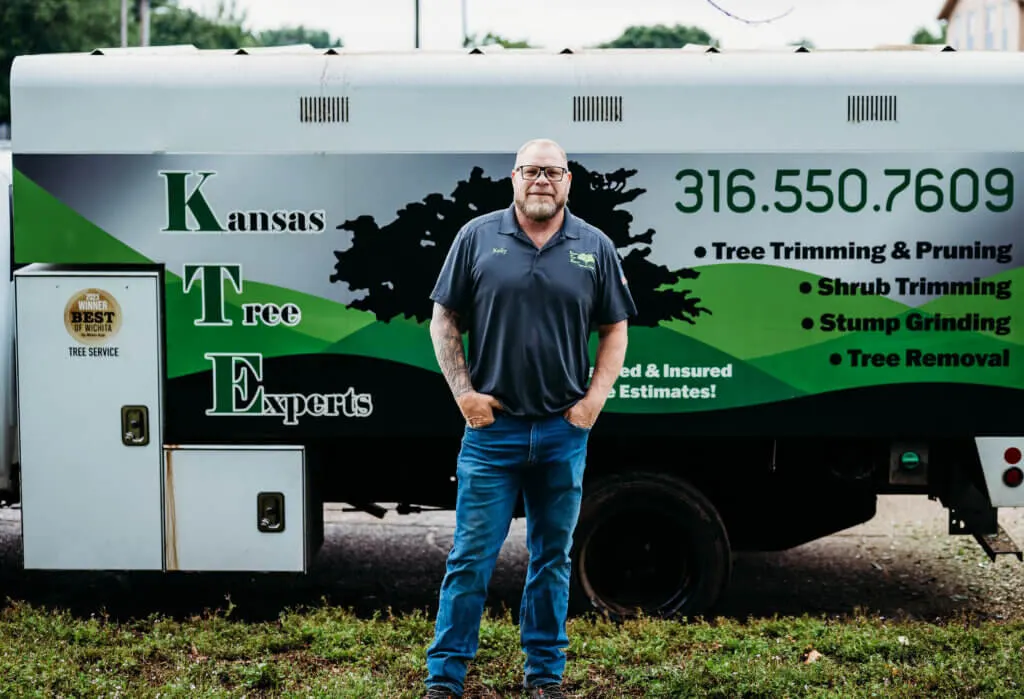
Kansas Tree Experts provides tree care services, including stump grinding, tree removal, and tree trimming. Property owners can visit the Kansas Tree Experts to review the services offered and ask about options for a particular stump.
Can You Grind a Tree Stump Yourself?
Small stumps may appear manageable, but stump grinders use powerful cutting wheels that can cause serious injuries when operated improperly. Equipment can also throw debris or damage nearby property.
Renting a machine does not eliminate the need for training, appropriate protective equipment, safe operating procedures, and utility checks.
If you are unfamiliar with stump grinding equipment or the stump is near a structure or underground installation, hiring a qualified operator is generally the safer choice.
Common Stump Grinding Mistakes to Avoid
Property owners can prevent misunderstandings and unnecessary work by addressing a few common issues before scheduling the service.
- Assuming all roots will be removed: Grinding generally leaves most larger roots in the ground.
- Ignoring underground utilities: Buried lines, irrigation pipes, and other installations should be identified before work starts.
- Overlooking cleanup costs: Confirm whether wood chips will be removed or left on-site.
- Failing to specify grinding depth: Explain how you intend to use the area afterward.
- Planting immediately without preparing the soil: The ground may need leveling, suitable soil, and time to settle.
- Choosing a quote based only on price: Compare the services, depth, debris handling, and restoration included.
- Operating unfamiliar equipment: Stump grinders can cause serious injury and property damage if used incorrectly.
Taking time to discuss these details can make it easier to choose a service that fits your property and landscaping plans.
Conclusion
Stump grinding can help Wichita property owners reclaim yard space, simplify lawn maintenance, and prepare for landscaping improvements. Before choosing a service, consider the stump’s size, location, access requirements, grinding depth, and what you want to do with the area afterward.
Request a written estimate that explains debris handling, soil preparation, and any additional charges. Confirm that underground utilities have been considered, and make sure the proposed work matches your property’s needs. Remember that stump grinding reduces the visible stump but generally does not remove the entire root system.
Kansas Tree Experts offers stump grinding and other tree care services for property owners to consider when planning yard maintenance or tree-related projects. Visit the Kansas Tree Experts website to learn more about its services. Contact us to discuss your stump grinding requirements, ask questions about the process, and request information about the options available for your property.
Frequently Asked Questions About Wichita Stump Grinding
1. What is stump grinding?
Stump grinding uses specialized cutting equipment to reduce a tree stump into wood chips, usually below ground level. Most of the larger root system remains underground and decomposes gradually.
2. How much does stump grinding cost in Wichita?
The cost depends on stump diameter, wood condition, accessibility, grinding depth, the number of stumps, and cleanup requirements. Request a written estimate based on the actual site conditions.
3. Is stump grinding better than stump removal?
Stump grinding is often suitable when you want to eliminate the visible stump with less excavation. Complete stump removal may be more appropriate when construction or landscaping requires more extensive root removal.
4. How deep should a stump be ground?
The appropriate depth depends on the intended use of the area. A lawn may require a different depth from a project involving new planting or construction. Discuss your plans with the contractor before work begins.
5. Can grass grow after stump grinding?
Yes, grass can grow in the area after suitable preparation. Depending on the conditions, you may need to remove or manage excess wood chips, add soil, level the ground, and reseed.
6. What happens to the roots after stump grinding?
Most larger roots remain underground and gradually decay. The rate of decomposition varies according to the tree species, root size, moisture, and soil conditions.
7. Should wood chips be removed after stump grinding?
Not always. Wood chips can sometimes be reused as mulch, but excess material may need to be removed or managed before restoring a lawn. Ask the contractor what the estimate includes.
8. Can stump grinding damage underground utilities?
It can if buried utilities or private installations are not identified and protected. Arrange the appropriate utility-location process, disclose known buried features, and discuss precautions with the operator before work begins.
9. Can I plant a new tree where a stump was ground?
It may be possible, but the location may require additional preparation. Remaining roots, soil conditions, and available planting space can affect the new tree’s establishment. Ask a qualified tree care professional to assess the location.
10. Does Kansas Tree Experts offer stump grinding?
Kansas Tree Experts lists stump grinding among its tree care services, alongside services such as tree removal and tree trimming. Visit kstreeexperts to review current service information and inquire about your property’s needs.