Trees provide shade, improve outdoor spaces, and contribute to the character of a property. However, trees need regular care to remain structurally sound and grow properly. Dead branches, overcrowded canopies, and limbs growing too close to buildings can create maintenance concerns if they are not addressed at the right time.
Choosing a reliable tree trimming service in Wichita, KS requires more than comparing prices. Homeowners should consider the company’s experience, insurance coverage, pruning methods, safety procedures, and approach to protecting the surrounding property. A qualified tree care professional can assess the condition of a tree and recommend appropriate work based on its species, structure, location, and overall health.
Wichita’s changing weather conditions also make tree maintenance an important part of property care. Strong winds and seasonal storms can expose weak or damaged branches, while prolonged periods of growth may cause limbs to extend over roofs, driveways, and walkways.
This guide explains what to look for when hiring a tree trimming company, which questions to ask before approving a project, and how to determine whether a service is suitable for your property.
What Does a Tree Trimming Service Do?
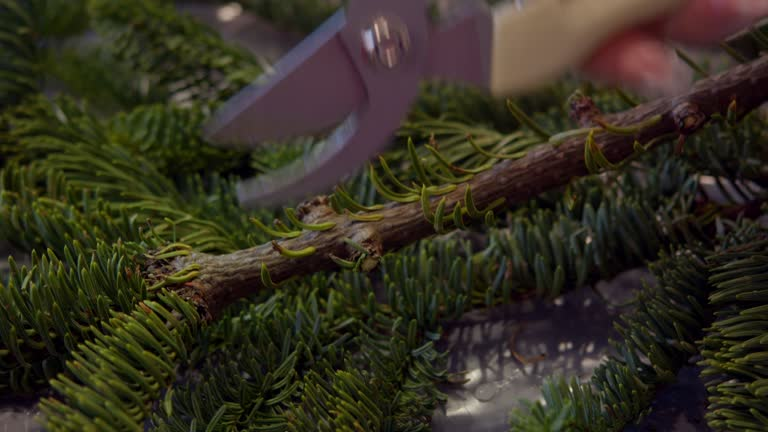
A tree trimming service helps maintain the structure, health, and appearance of trees by selectively removing or shortening branches. The work should be based on the tree’s condition and the property owner’s objectives rather than simply cutting branches to create a particular shape.
Professional tree care providers may offer several types of trimming and pruning services.
Removing Dead or Damaged Branches
Dead, cracked, diseased, or broken branches can become hazards, particularly when they extend over areas where people walk or vehicles are parked. Removing selected branches can reduce these risks and prevent damaged wood from falling unexpectedly.
However, not every discolored branch indicates a serious problem. A professional assessment can help determine whether a branch is dead, stressed, diseased, or undergoing normal seasonal changes.
Improving Tree Structure
Trees sometimes develop crossing branches, crowded growth, or weak branch attachments. Selective pruning can improve the arrangement of branches and reduce rubbing or competition between them.
The goal is to maintain a sound structure while preserving the tree’s natural form. Excessive cutting can weaken a tree, expose it to additional stress, and encourage poorly positioned new growth.
Clearing Branches Near Buildings
Branches that touch roofs, interfere with gutters, obstruct walkways, or extend over driveways may require attention. A tree trimming professional can assess the appropriate clearance while considering the tree’s long-term growth.
Branches near electrical lines require additional caution. Homeowners should not attempt to cut branches touching or close to power lines. Contact the utility provider or an appropriately qualified professional for guidance.
Managing Overcrowded Canopies
Some trees develop dense canopies that contain competing or poorly positioned branches. Selective thinning may improve the distribution of foliage and reduce unnecessary crowding.
Thinning should not mean removing large amounts of healthy growth. Removing too much foliage can interfere with the tree’s ability to produce energy and may expose previously shaded branches to excessive sunlight.
Why Tree Trimming Matters in Wichita, KS
Local weather, tree growth, and property layouts all influence how trees should be maintained. A suitable tree trimming plan considers these factors instead of following the same schedule for every property.
Preparing Trees for Seasonal Weather
Wichita experiences changing weather throughout the year, including periods of strong winds and severe storms. Damaged limbs and weak branch connections may become more concerning when trees experience heavy wind or other adverse conditions.
Routine inspections can help identify visible defects before they develop into larger problems. However, trimming cannot guarantee that a tree will withstand every storm. A tree with significant structural damage may require a more detailed assessment.
Supporting Tree Health
Pruning can help remove dead or diseased branches and improve the structure of a tree when performed correctly. The appropriate approach depends on the species, age, health, and growing conditions of the tree.
Some trees benefit from pruning during particular seasons, while others may require attention sooner because of damaged or hazardous branches. A professional should explain the recommended timing and the reason for the work.
Maintaining Safe Outdoor Spaces
Overhanging branches can interfere with parking areas, sidewalks, entrances, and outdoor seating. For homeowners, this may affect everyday use of the yard. For businesses and property managers, it can create maintenance and accessibility concerns.
Regular tree inspections and targeted trimming can help maintain clear access while protecting nearby structures and landscaping.
How to Choose a Tree Trimming Service in Wichita, KS
Selecting a contractor involves evaluating both the proposed work and the company responsible for completing it. The following steps can help homeowners compare options and make an informed decision.
1. Check Experience With Local Trees
Experience matters because different tree species respond differently to pruning. A method that is appropriate for one tree may be unsuitable for another.
When evaluating a tree trimming service in Wichita, KS, ask about its experience with the types of trees growing on your property. Mature trees, trees with extensive canopies, and trees growing close to buildings may require different equipment and work methods.
Ask the company to explain what it recommends and why. A knowledgeable provider should be able to identify the branches that need attention, describe the intended outcome, and explain how the proposed work supports the tree’s condition.
Local experience is also useful when assessing trees that have experienced storm damage or have grown in restricted spaces.
2. Verify Insurance and Relevant Credentials
Tree trimming can involve elevated work, heavy equipment, falling branches, and potential damage to nearby structures. Before hiring a company, ask for evidence of appropriate liability insurance and workers’ compensation coverage where applicable.
Confirm that the coverage is current and suitable for the work being performed. Do not rely only on a verbal assurance that the company is insured.
You can also ask about relevant training, industry certifications, and the qualifications of the people who will assess your trees. For complex tree health or structural concerns, experience with professional arboriculture can be particularly valuable.
Credentials should be verified rather than assumed. A company providing tree services is not automatically staffed by certified arborists.
3. Ask About Pruning Methods
A responsible contractor should explain which branches will be removed and how the proposed work will affect the tree.
Common pruning methods include:
- Deadwood removal: Removing dead or broken branches.
- Crown thinning: Selectively removing branches to reduce overcrowding while retaining the tree’s natural form.
- Crown raising: Removing selected lower branches to provide clearance.
- Crown reduction: Reducing the size of a canopy through appropriate cuts to suitable lateral branches.
- Structural pruning: Improving branch arrangement and addressing selected structural concerns.
Not every tree needs all these methods. The correct approach depends on the tree’s species, age, health, location, and existing structure.
Be cautious if a contractor proposes removing large amounts of healthy foliage without explaining the reason. Severe topping or indiscriminate cutting can damage a tree and create long-term maintenance problems.
4. Evaluate Safety Procedures and Equipment
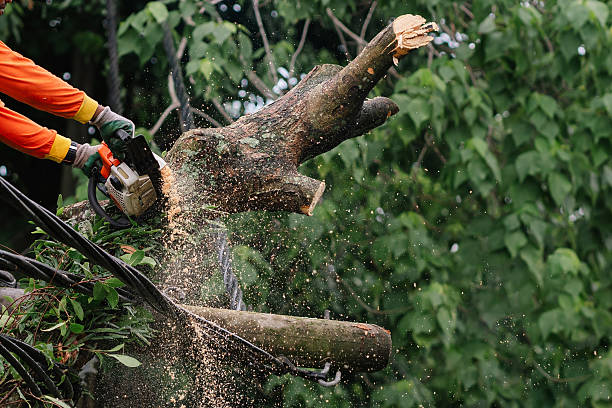
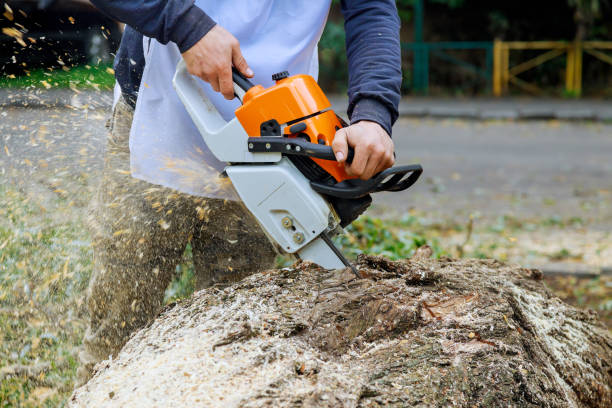
Tree trimming may require ladders, climbing equipment, aerial lifts, chainsaws, and machinery for handling debris. The equipment used should match the size of the tree, the location of the work, and the surrounding obstacles.
Ask how the crew will protect people, vehicles, fences, gardens, and nearby buildings. If a tree is close to a house or has large branches extending over a structure, the company should explain how those branches will be controlled during removal.
The work area should be managed so that residents, visitors, and pets remain away from falling branches and operating equipment.
If the contractor cannot clearly explain the safety plan for a complicated job, consider obtaining another assessment before proceeding.
5. Request a Detailed Written Estimate
A written estimate helps clarify what the company will do, what the project will cost, and which services are included.
Rather than comparing only the final price, check whether each contractor is quoting the same work. One estimate may cover dead branch removal, while another may include crown thinning, clearance work, and debris removal.
Ask whether the estimate includes labor, equipment, cleanup, and disposal of branches. If additional services such as stump grinding or tree removal are needed, confirm whether they are priced separately.
A detailed estimate also provides an opportunity to identify misunderstandings before work begins.
6. Review References and Previous Work
Customer feedback and examples of completed projects can help you understand a company’s communication, reliability, and cleanup practices.
Look for reviews that describe the actual tree work performed rather than relying only on overall ratings. Comments about punctuality, property protection, clear estimates, and debris handling can be particularly useful.
If possible, ask whether the company can provide examples of projects similar to yours. A contractor experienced in maintaining mature residential trees may be a better fit for your needs than one whose work mainly involves clearing undeveloped land.
Reviews should be considered alongside insurance documentation, the written estimate, and the contractor’s explanation of the proposed work.
7. Confirm Cleanup and Debris Disposal
Trimming can generate branches, leaves, wood pieces, and sawdust. Before accepting an estimate, clarify how the work area will be left when the job is complete.
Ask whether the contractor will collect and remove branches, chip suitable material, or leave any wood for your use. If you want to retain firewood or wood chips, explain this before the project starts.
Also confirm whether cleanup includes the driveway, lawn, and other areas affected by the work. Understanding these details can prevent disagreements after the crew finishes.
Tree Trimming Service Comparison Table
Use the following checklist when comparing tree trimming companies in Wichita.
| Evaluation factor | What to check | Why it matters |
|---|---|---|
| Experience | Familiarity with your tree species and property layout | Helps ensure suitable recommendations |
| Insurance | Current documentation and appropriate coverage | Helps address potential liability concerns |
| Credentials | Relevant training and qualifications | Supports informed tree care decisions |
| Pruning methods | Clear explanation of planned cuts | Helps prevent unnecessary damage |
| Safety | Equipment, work-zone controls, and branch handling | Protects people and nearby property |
| Written estimate | Scope, labor, equipment, and additional costs | Makes proposals easier to compare |
| Customer references | Feedback about similar projects | Provides insight into service quality |
| Cleanup | Branch removal and final site condition | Clarifies what happens after trimming |
| Scheduling | Expected start date and project duration | Helps coordinate access and property use |
A company that explains its recommendations, provides a clear written estimate, and answers questions directly is easier to evaluate than one that offers only a low price without describing the work.
Questions to Ask Before Hiring a Tree Trimming Company
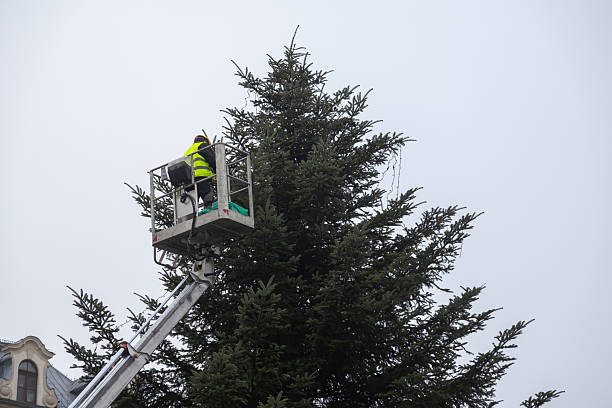
Before scheduling the service, ask questions that help you understand the work, the risks, and the expected outcome.
What work does my tree actually need?
Ask the contractor to identify the branches requiring attention and explain whether the goal is hazard reduction, structural improvement, clearance, or general maintenance.
This helps distinguish necessary pruning from cosmetic work that may not benefit the tree.
How will you protect my property?
Discuss the distance between the tree and nearby buildings, fences, vehicles, landscaping, and utility lines. Ask how the crew will lower or control large branches when there is limited space.
The answer should reflect the specific conditions of your property.
What is included in the estimate?
Confirm the trees covered, the pruning methods proposed, the cleanup arrangements, and any additional charges that may apply.
If you are requesting work on several trees, ask for a clear breakdown so you can decide which tasks should be completed first.
When can the work be scheduled?
Ask about the expected start date, estimated duration, and any weather-related scheduling considerations. Storm damage, equipment availability, and the complexity of the project can affect timing.
For nonurgent maintenance, scheduling flexibility may make it easier to arrange access and prepare the property.
When Should You Schedule Tree Trimming?
The best time to trim a tree depends on its species, condition, location, and the reason for pruning.
Routine Maintenance
Many trees can be pruned during dormant periods, but there is no single ideal season for every species or situation. Some trees may be better pruned at other times to account for flowering, disease concerns, or growth patterns.
A professional can recommend suitable timing based on the specific tree rather than relying on a universal calendar.
Storm-Damaged Branches
Broken, hanging, or split branches may require prompt attention, regardless of the season. If a large branch is unstable or a tree appears likely to fall, keep people away from the area and contact a qualified tree care provider.
Do not approach a damaged tree if it is leaning unexpectedly, has hanging limbs, or is near electrical lines.
Branches Near Roofs and Walkways
Branches that interfere with buildings, entrances, driveways, or pedestrian access may need trimming when the issue is identified. Addressing these concerns early can help prevent ongoing contact and reduce maintenance difficulties.
However, branches should not be cut back excessively just to create clearance. The contractor should consider the tree’s structure and future growth.
Common Mistakes to Avoid When Hiring a Tree Service
Homeowners can make better decisions by avoiding several common mistakes.
Choosing the lowest estimate without comparing the scope. A cheaper quote may exclude cleanup, equipment, or important parts of the requested work. Compare the full scope before making a decision.
Failing to verify insurance. Tree work involves risks to workers and property. Ask for documentation instead of assuming coverage is in place.
Approving excessive pruning. Removing too much foliage or cutting branches incorrectly can damage the tree. Ask the contractor to explain the intended cuts and their purpose.
Ignoring safety concerns. Trees near buildings, vehicles, and utility lines require careful planning. Avoid attempting complex trimming without suitable training and equipment.
Not confirming cleanup. Debris removal can affect the total project cost and the condition of your yard. Agree on cleanup arrangements in writing.
Waiting until a problem becomes urgent. Routine inspections can help identify damaged or poorly positioned branches before they become more difficult to manage. However, regular maintenance does not eliminate every risk associated with trees or severe weather.
Conclusion
Choosing a tree trimming service in Wichita, KS, starts with understanding what your trees need and finding a contractor who can explain the work clearly. Experience with local trees, appropriate insurance, safe pruning methods, written estimates, and thorough cleanup are all important factors to consider.
Avoid choosing a company based on price alone. Instead, compare the proposed work, ask questions about safety and tree health, and make sure the estimate describes the services you expect to receive.
Kansas Tree Experts provides tree trimming and other tree care services in Wichita and surrounding areas. Homeowners can review the company’s tree trimming services in Wichita, KS to learn more about available options.
If you need help assessing branches near your home, managing an overgrown canopy, or planning routine tree maintenance, contact us through Kansas Tree Experts to discuss your property and request an estimate. A clear assessment can help you determine which work is appropriate for your trees and plan the next steps with greater confidence.
Frequently Asked Questions About Tree Trimming in Wichita, KS
How do I choose the best tree trimming service in Wichita, KS?
Compare local experience, insurance coverage, relevant qualifications, pruning methods, safety procedures, written estimates, customer references, and cleanup arrangements. Choose a provider that explains the work clearly and bases its recommendations on the condition of your trees.
How often should trees be trimmed?
There is no universal trimming schedule. Some trees need periodic structural pruning, while others require attention only when damaged or poorly positioned branches develop. Tree species, age, health, location, and previous maintenance all influence the appropriate frequency.
What is the difference between tree trimming and tree pruning?
The terms are often used interchangeably. Trimming commonly refers to maintaining clearance or appearance, while pruning often emphasizes tree health, structure, and the selective removal of branches. The exact meaning depends on the service provider, so confirm the work included in your estimate.
Is tree trimming necessary before storm season?
An inspection before periods of severe weather can help identify dead branches, weak attachments, and other visible concerns. A professional can recommend whether trimming is appropriate. However, no pruning service can guarantee that a tree will remain undamaged during a storm.
Should I hire an insured tree trimming company?
Yes. Ask for current documentation of appropriate insurance and verify that the coverage suits the proposed work. Insurance is an important consideration, but it should be evaluated alongside the company’s experience, safety procedures, and written estimate.
Can I trim large tree branches myself?
Small, accessible branches may be manageable for someone with appropriate knowledge and tools. However, large branches, overhead work, unstable trees, and branches near buildings or power lines can be dangerous. Hire a qualified professional for work that requires climbing, specialized equipment, or controlled removal.
How can I compare tree trimming estimates?
Ensure that each estimate covers the same trees, pruning objectives, labor, equipment, debris removal, and cleanup. Ask about additional costs and scheduling before approving the work. Comparing equivalent services provides a more useful basis for evaluating prices.
Does tree trimming improve tree health?
Appropriate pruning can remove dead or damaged branches and improve tree structure. However, excessive or poorly executed cuts can cause stress and damage. The benefits depend on the tree’s condition and whether the pruning method is suitable.
What services should I consider besides tree trimming?
Depending on the property’s condition, you may also need tree removal, stump grinding, shrub shaping, storm cleanup, or commercial tree care. These are separate services, so confirm the scope and pricing before adding them to a project.