When a large oak, dying ash, or heavy cottonwood threatens your property, you need dependable help fast. Whether you live in central Wichita or in surrounding towns like Derby, Andover, Goddard, or Maize, searching for tree removal within 20 miles of Wichita brings up dozens of different options. Some are well-equipped professional outfits, while others are simply two guys with a chainsaw in the bed of an old pickup.
Tree removal is one of the most hazardous property maintenance tasks in the country. Picking the wrong outfit can lead to crushed fences, stripped lawns, cracked driveways, or even legal liability if an uninsured worker gets injured on your property.
In this guide, we walk you through the essential factors to evaluate when choosing a local tree removal crew. We cover real warning signs that a tree must come down, typical costs across the Wichita metro area, critical insurance safeguards, and how our experienced team at Kansas Tree Experts gets the job done safely.
Why Hiring Within a 20-Mile Radius Matters
When severe weather hits south-central Kansas, response time makes all the difference. Out-of-town storm-chasing crews often roll into town after severe squalls, asking for cash upfront and disappearing before the cleanup is finished.
Working with a company located within 20 miles of Wichita gives you several distinct advantages:
- Faster Response for Emergencies: A local crew based right here in Sedgwick County can reach your home quickly if an uprooted tree blocks your driveway or rests on your roof.
- Familiarity With Regional Species: Kansas soils and microclimates bring unique tree challenges. Local specialists understand the brittle growth habits of Siberian elms, the root rots common in silver maples, and the rapid spread of Emerald Ash Borer across local neighborhoods.
- Local Accountability and Established Reputation: A business operating in your community relies on long-term trust, verified reviews, and word-of-mouth recommendations rather than quick one-off jobs.
- Knowledge of Local Municipal Codes: Cities like Wichita, Bel Aire, and Valley Center maintain specific tree ordinances regarding street easements, utility setbacks, and brush disposal that local crews navigate daily.
According to regional urban forestry assessments published through K-State Research and Extension, over 40% of tree failures during severe weather occur in trees with pre-existing internal decay, poor branch structure, or disease. Furthermore, utility reliability data indicates that falling trees and heavy limbs cause more than half of all weather-related electrical service disruptions. Partnering with a dedicated local crew helps you address these hidden hazards long before storms strike.
5 Warning Signs a Tree Needs Complete Removal
Not every struggling tree needs to be cut down. In many instances, routine crown thinning or targeted tree trimming in Wichita, KS can restore balance and eliminate hazardous limbs. However, when structural integrity is permanently lost, removal becomes the only safe choice.
Walk your property and look for these five clear warning signs:
1. Significant Trunk Lean With Soil Heaving
If a tree has grown at an angle for twenty years, its root system has adapted. But if a tree suddenly begins to lean after heavy rainfall or high winds, and you notice soil mounding or cracking at the base opposite the lean, the anchor roots have snapped. This tree can topple at any time.
2. Hollow Trunks and Extensive Internal Rot
A tree can survive with minor interior decay, but when more than one-third of the trunk diameter is hollow, structural support is severely compromised. Look for large cavities, carpenter ant sawdust around the base, or shelf mushrooms growing along the bark.
3. Severe Emerald Ash Borer Damage
Ash trees across south-central Kansas face relentless pressure from the Emerald Ash Borer. If your ash tree has lost more than 40% of its canopy, shows extensive woodpecker feeding, and displays distinct D-shaped exit holes, the internal vascular system is dead. Dead ash wood dries out quickly, becoming brittle and prone to sudden collapse.
4. Deep Structural Trunk Splits
A deep vertical crack running through the main stem indicates the wood fibers have separated. When seasonal ice or high winds place pressure on a split trunk, the tree can shear completely in half.
5. Proximity to Foundations and Underground Utilities
Trees planted too close to houses can crack foundation footings, lift patio slabs, and infiltrate sewer lines. If a mature tree outgrows its footprint and continuously damages structural concrete, full removal is often the most economical long-term solution.
Tree Removal vs. Tree Trimming: How to Decide
Use this practical comparison table to determine whether your tree requires targeted pruning or full removal:
| Symptom / Condition | Trimming & Pruning | Full Tree Removal |
| Canopy Dieback | Less than 25% of branches bare or dead | More than 40% to 50% of canopy completely dead |
| Trunk Condition | Solid, intact bark with no open seams | Deep vertical splits, extensive hollows, fungal conks |
| Root Health | Undisturbed soil grade around base | Heaved dirt, severed roots from construction, or fungal decay |
| Structural Lean | Natural, long-term gentle curve | Sudden post-storm lean with exposed root plates |
| Location | Limbs rubbing against roof or gutters | Trunk pushing directly against foundation or retaining walls |
How to Vet a Local Tree Removal Service
Before signing an estimate or allowing any equipment onto your lawn, run through this four-step checklist to ensure you hire a legitimate, dependable service provider.
1. Verify General Liability and Workers’ Compensation Insurance
This is the single most critical step. Ask the company for a Certificate of Insurance sent directly from their insurance agency. General liability covers damage to your house, roof, or vehicles. Workers’ compensation protects you from personal financial liability if a crew member gets injured on your property. Never accept verbal claims of coverage.
2. Check Local Community Standing and Reviews
Read recent feedback on platforms like Google, the Better Business Bureau, and community groups. Look for consistent comments regarding punctuality, property care, fair pricing, and thorough cleanup.
3. Inquire About Equipment and Removal Methods
Ask how the crew plans to bring the tree down. Will they use a bucket truck, crane, or climbing arborists with advanced rigging? Reliable professionals use controlled lowering techniques with ropes and friction brakes to protect your turf, fences, and landscaping.
4. Demand a Written, Detailed Estimate
Avoid contractors who offer vague verbal quotes or demand cash upfront. A professional quote should clearly outline the scope of work, including cutting the tree to ground level, hauling away wood, running brush through a chipper, and whether stump grinding is included.
What Does Tree Removal Cost in the Wichita Area?
Tree removal pricing varies based on tree height, trunk diameter, canopy spread, nearby obstacles, and ease of equipment access.
The table below outlines average costs for tree removal within 20 miles of Wichita:
| Tree Size & Scope | Typical Height | Average Cost Range | What the Job Usually Entails |
| Small Tree | Up to 25 feet | $250 to $500 | Simple takedown of small ornamentals like crabapples or redbuds; full brush cleanup. |
| Medium Tree | 25 to 50 feet | $500 to $1,000 | Removal of mid-sized elms, birches, or fruit trees; basic rigging required. |
| Large Tree | 50 to 75 feet | $1,000 to $1,800 | Sectional dismantling of mature oaks, maples, or pines near homes or utility wires. |
| Extra-Large / Hazardous | 75+ feet | $1,800 to $3,200+ | Complex crane or bucket truck takedown of massive cottonwoods with heavy structural rigging. |
| Stump Grinding Add-On | Any size | $100 to $350 per stump | Grinding the stump 6 to 12 inches below grade to allow replanting or sod installation. |
Planning Tip: If a healthy tree falls directly onto your roof or garage during a severe weather event, homeowner insurance policies generally cover the cost of removal and structural repair minus your deductible. Document all damage with photos before the crew begins clearing wood.
What to Expect During the Removal Process
When you hire a licensed crew for a complete tree takedown, the job follows a strict, step-by-step procedure designed to keep your home safe:
- Site Preparation: The crew sets up safety perimeters, lays out protective ground mats to prevent heavy tire ruts on your grass, and establishes clear drop paths.
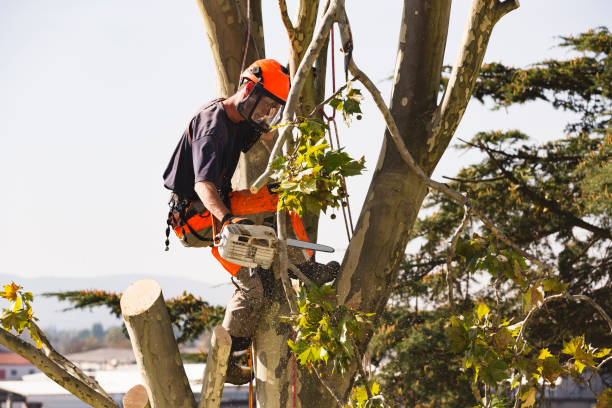
- Canopy Dismantling: Rather than felling the tree in one piece, climbers or bucket operators work from the top down, cutting outer limbs and lowering them using high-tensile arborist ropes.
- Trunk Sectioning: Once the branches are cleared, the trunk is cut into manageable rounds and lowered carefully.
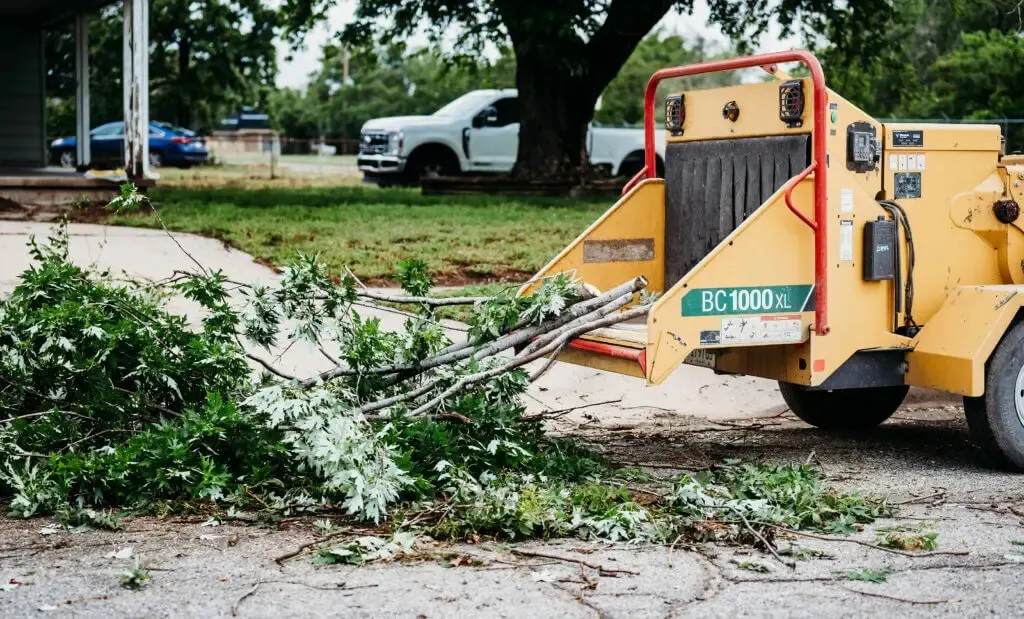
- Chipping and Hauling: Brush goes directly into commercial wood chippers, large trunk logs are loaded onto haul trucks, and the work area is thoroughly raked and swept.
- Stump Grinding (Optional): If requested, specialized stump grinders pulverize the root base well below the lawn surface, leaving behind wood mulch that can be used for landscape beds.
Get Reliable Help for Hazardous Trees
Choosing a tree removal company comes down to more than price or availability. Checking insurance, reviewing estimates, and understanding the removal process helps you find a team that can protect your property and handle the job safely.
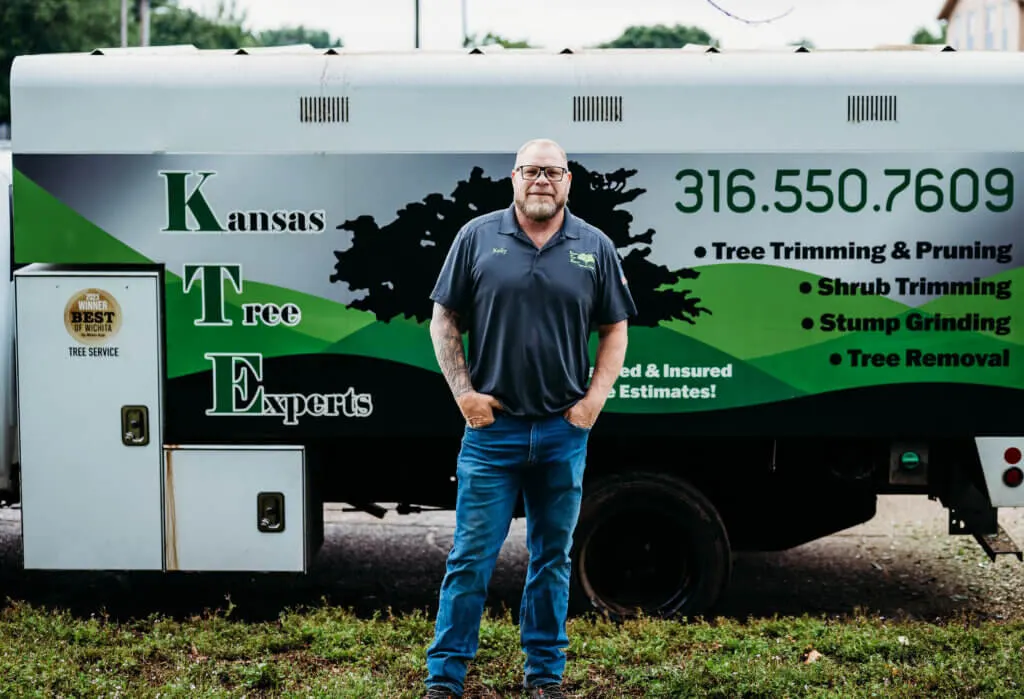
Whether you need to remove a hazardous tree or plan routine tree care, working with an experienced local provider gives you greater clarity about the work involved. At Kansas Tree Experts, we provide tree removal in Wichita and surrounding communities, with a focus on safe practices, transparent estimates, and thorough cleanup.
If you need tree removal within 20 miles of Wichita, contact us to discuss your property and request an estimate.
Frequently Asked Questions
1. How do I know if a tree on my property belongs to me or the city?
Check your boundary survey. Trees growing between the sidewalk and the street are typically on municipal easements. In Wichita, city forestry oversees street trees, while trees located entirely within your private boundary lines remain the property owner’s responsibility.
2. Can an unstable tree be saved with cabling or bracing?
Sometimes. If a valuable shade tree has a healthy root system but exhibits a split trunk or heavy co-dominant stems, an arborist can install steel cables and support rods to relieve tension and prolong the tree’s lifespan.
3. How long does a typical tree removal job take?
Most residential removals take between two and six hours, depending on tree size, location, and yard accessibility. Large, complex trees located near power lines or over structures may require a full day of controlled rigging.
4. Is stump grinding always included in a tree removal quote?
Not always. Many tree companies quote stump grinding as a separate add-on service. Always confirm with your contractor whether grinding the stump and surface roots below grade is included in your written estimate.
5. Will heavy tree removal equipment damage my lawn?
Professional crews take active steps to protect your turf. We lay down heavy-duty ground protection mats to distribute vehicle weight, avoid driving over wet soil whenever possible, and use turf-friendly equipment to prevent ruts and compaction.
6. Do I need a permit to remove a tree from my yard in Wichita?
For private residential property, Wichita generally does not require a permit to remove trees from your own yard. However, permits or city approval are required if the tree sits within a public right-of-way or designated historical district.