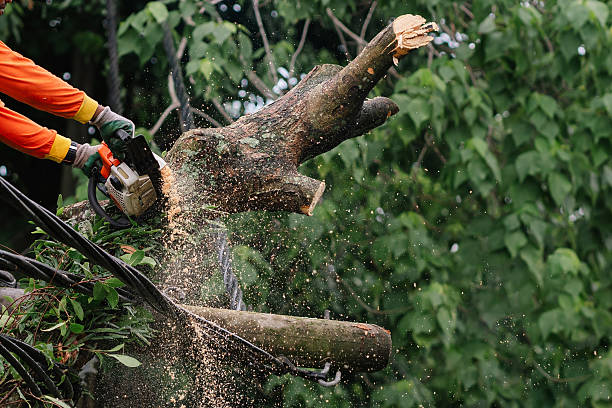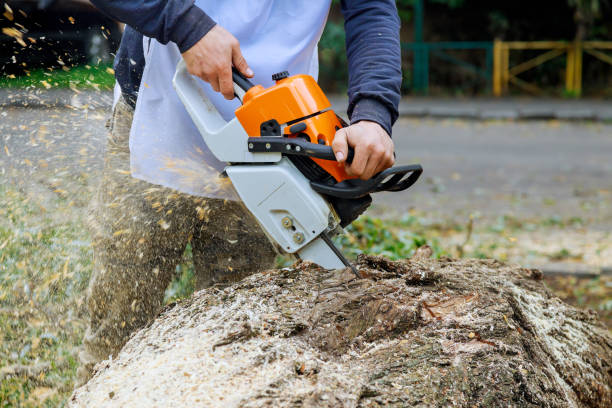
A large tree can become a serious problem when it starts leaning towards your house, loses a major branch, or grows too close to a garage. Removing it is not always as simple as cutting through the trunk. There may be no safe place for the tree to fall, and even a single heavy branch can damage your roof or fence.
For trees in these situations, a crane may be part of the tree removal plan. It allows trained professionals to lift and lower selected sections instead of letting them fall freely.
But does every large tree need a crane? No. The decision depends on the tree’s condition, its location, the space available, and the risks involved.
Removing a large or damaged tree can be challenging, especially near buildings or other obstacles. A tree crane service in Wichita can help manage these situations with a planned approach to lifting and lowering tree sections.
What Is a Tree Crane Service?
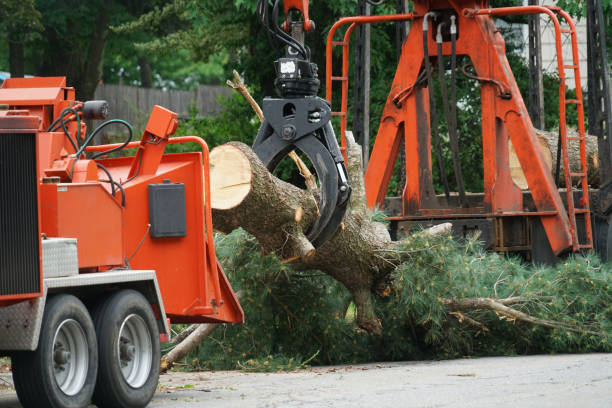
A tree crane service uses a crane to help remove trees that are difficult to handle with standard equipment. The crane supports and lifts sections of the tree while a trained crew cuts and guides them away from the remaining trunk.
Imagine a mature tree growing between your house and your garage. There is no clear direction in which the entire tree can fall without hitting something. Removing it in controlled sections may be the more suitable approach.
A crane can help the crew:
- Lift heavy branches and trunk sections.
- Move cut sections away from roofs, fences, and other obstacles.
- Reduce the need for workers to climb certain parts of an unstable tree.
- Work around properties with limited room for falling debris.
The crane is only one part of the job. Workers still need to assess the tree, plan each cut, calculate the load, and make sure the equipment can operate safely.
6 Situations Where You May Need a Tree Crane Service
Certain tree conditions and property layouts can make standard tree removal methods difficult, making a crane worth considering. Here are six situations where a tree removal service with crane may be the right choice for your property.
1. The Tree Is Too Large to Remove in One Piece
A mature oak or another large shade tree can have a thick trunk, heavy limbs, and a wide canopy. Cutting it down in one piece may be unsafe if buildings, driveways, or neighbouring properties are nearby.
The crew may need to remove the tree section by section. A crane can support selected pieces as they are cut and lift them to a suitable landing area.
Homeowner tip: Do not judge a tree’s removal difficulty by its height alone. A shorter tree with a thick trunk, extensive decay, or very little surrounding space can be harder to remove than a taller tree in an open yard.
2. The Tree Is Growing Over Your House
Branches hanging over your roof can make tree removal more complicated. If a large limb falls in the wrong direction, it could break roof tiles, damage gutters, or land on an attached garage.
The same problem can occur when a tree stands above a patio, shed, or driveway.
A tree removal service with crane may be able to lift sections away from these structures rather than lowering them through a narrow gap.
However, the crew must first determine whether there is enough room to position the crane and move each section safely. A crane cannot simply reach over every building or obstacle.
3. The Tree Is Dead or Structurally Weak
A dead tree may look stable from the ground, but its trunk and branches could be brittle or rotten. A diseased tree can also have weak branch connections that make climbing dangerous.
This is particularly concerning when a worker needs to climb the tree to attach ropes or make cuts.
A tree service with crane may allow some sections to be supported without placing a climber in the same position. Even so, the crew must check whether the wood can safely hold the rigging and lifting forces.
Watch for these warning signs:
- Large dead branches in the canopy.
- Deep cracks or splits in the trunk.
- Mushrooms or fungal growth around the base.
- Hollow areas or visible decay.
- A sudden lean or broken limbs after a storm.
These signs do not always mean a tree must be removed, but they deserve professional attention. Keep people away from visibly unstable trees until the risk has been assessed.
4. A Storm Has Left the Tree Damaged
Strong winds, ice, and severe weather can break branches or split a tree’s trunk. Sometimes, a damaged tree remains standing even though part of it is hanging over a house or another structure.
Such trees can be difficult to handle because their weight may have shifted. A branch that appears to be resting harmlessly could move when another section is cut.
A crane may help the crew support and remove selected sections in a planned order. This is particularly useful when the tree cannot safely be felled in one piece.
If a storm has left a tree leaning towards your home, do not try to pull it upright or cut away the damaged limbs yourself.
Important: If the tree is touching a power line, stay well away and contact the utility company. Never assume a damaged line is safe.
5. The Tree Is in a Crowded Yard
Some homes have mature trees surrounded by fences, sheds, gardens, neighbouring buildings, and narrow access paths. There may be very little room to drop branches without hitting something.
A crane can sometimes lift sections above or away from these obstacles, provided the equipment can reach the tree and there is a suitable landing area.
The crew must also consider where the crane will stand. Heavy equipment needs a suitable setup area, and its stabilisers can put significant pressure on the ground.
If access is restricted, a professional may recommend climbing equipment, ropes, a bucket truck, or another method instead.
6. You Want to Limit Damage to Your Landscaping
Removing a large tree can affect more than the tree itself. Falling wood may damage flower beds, lawns, irrigation lines, fences, and outdoor furniture.
A tree service with crane can help control where heavy sections are placed, which may reduce the chance of damage from falling debris.
There is a trade-off, though. The crane needs space to operate, and its weight can affect lawns, driveways, and underground features.
Before work begins, point out any irrigation systems, buried utilities, septic components, or areas of landscaping that need special care.
Crane Removal vs. Traditional Tree Removal
A tree service with crane is not necessary for every job. Professional tree crews use different methods depending on the tree and the property.
| Removal Method | Best Suited To | Main Limitation |
|---|---|---|
| Traditional tree felling | Trees with enough clear space to fall safely | Requires a suitable fall zone |
| Climbing and rigging | Trees that can be dismantled in sections | Requires safe climbing access and suitable rigging points |
| Bucket truck | Trees that can be reached from an appropriate vehicle position | Needs access and sufficient working reach |
| Crane-assisted removal | Difficult, heavy, or hazardous trees | Requires safe crane access and careful load planning |
For example, a tree standing alone in a large backyard may be removed without a crane. A similarly sized tree over a house may require a more controlled approach.
The right method is the one that fits the actual site conditions. Equipment alone does not guarantee a safe job.
How Does Tree Removal Service With a Crane Work?
The process involves more than bringing a crane to your property. The crew must plan the work before cutting begins.
Step 1: Inspect the Tree and Surroundings
The crew examines the tree’s height, trunk condition, branch structure, lean, and proximity to buildings and utilities.
They also check access routes, ground conditions, overhead obstacles, and possible crane setup locations.
Step 2: Plan the Lifting Work
The crane operator and tree crew determine which sections to remove and how each section will be supported.
They must account for the section’s weight, the crane’s lifting capacity at the required reach, and the position of the equipment. A crane’s maximum rated capacity does not apply at every boom length or working distance.
Step 3: Secure and Cut Each Section
The crew attaches suitable lifting equipment to the planned section before making the cut. The operator then lifts the released section according to the agreed plan.
The tree’s condition matters here. Decayed wood may not provide a safe attachment point, so the team must assess the structure before choosing how to secure it.
Step 4: Lower the Wood to a Safe Area
The crane moves each section to a designated landing area. Ground workers then process the wood and prepare it for removal.
This continues until the planned parts of the tree have been removed.
Step 5: Clear the Site
The crew removes branches and wood according to the agreed cleanup arrangements.
If you want the stump removed, ask about stump grinding before accepting the estimate. Removing the tree and grinding the stump are separate jobs, and stump grinding may cost extra.
How Much Does Tree Crane Service in Wichita Cost?
There is no single price for every crane-assisted tree removal job. The final cost depends on how much work is involved and what equipment the site requires.
Here are the main factors that affect the estimate.
| Cost Factor | Why It Matters |
|---|---|
| Tree size and weight | Larger sections may require more lifting capacity and labour |
| Tree condition | Dead or storm-damaged trees can require extra planning |
| Location | Trees near homes and other structures are more complex to remove |
| Crane access | Restricted access or difficult ground conditions can affect setup |
| Cleanup | Hauling wood and removing branches may add to the price |
| Stump removal | Stump grinding is often quoted separately |
A crane may add equipment costs, but it can also make certain difficult removals possible without relying on less suitable methods.
When comparing quotes, ask whether the price includes the crane, labour, debris removal, and stump grinding. Check whether additional charges could apply if the crew discovers hidden damage or unexpected site conditions.
A detailed estimate is more useful than choosing a contractor based on the lowest price alone.
How to Choose a Reliable Tree Crane Service
The equipment matters, but the people operating it matter just as much. Tree removal involves falling branches, heavy loads, chainsaws, and overhead hazards.
The U.S. Bureau of Labor Statistics recorded 80 fatal occupational injuries among tree trimmers and pruners in 2023, highlighting the serious risks involved in this line of work.
Before hiring a contractor, ask these questions.
Are you insured for this work?
Ask for proof of current insurance and confirm that it covers the type of tree removal being planned.
Who will operate the crane?
Ask about the operator’s training and experience with similar jobs. The crane operator and tree crew must coordinate their work carefully.
How will you protect my property?
A professional should explain where the crane will be positioned, how the tree will be dismantled, and how nearby structures and landscaping will be protected.
What is included in the quote?
Confirm the removal price, debris cleanup, wood hauling, and any stump grinding charges.
What happens if the tree is more damaged than expected?
The contractor should explain how unexpected decay, unstable branches, or changes in site conditions will be handled.
Avoid contractors who dismiss your safety questions or promise that no damage is possible. A responsible professional should explain both the plan and its limitations.
What Should You Do Before the Crew Arrives?
You can help the work go more smoothly by preparing your property before removal day.
- Move cars away from the work area.
- Keep children and pets indoors or well away from the site.
- Clear outdoor furniture and movable items from the planned work zone.
- Tell the crew about underground irrigation lines or other hidden features.
- Ask whether the driveway or another access route needs to remain clear.
- Follow the crew’s instructions about where you and your family can safely stand.
Do not enter the work zone to take photographs or watch the crane operate. Workers need a clear area to handle the tree and its heavy sections.
If the tree is already unstable, leave the inspection to professionals rather than approaching it to measure the trunk or examine damaged branches.
The Right Approach to Tree Removal
As a homeowner, you want to keep your property safe without risking damage to your house, garden, or other structures. At Kansas Tree Experts, we understand these concerns and help homeowners assess difficult tree removal situations. If you have a large, damaged, or hard-to-reach tree, I recommend having it assessed before deciding how to remove it. A crane may be the right choice when space is limited or the tree poses a safety risk.
If you are concerned about a tree on your property and want to find the right removal solution, contact us today for professional guidance. We are here to help you protect your home and make an informed decision.
Frequently Asked Questions
1. When should I hire a tree crane service in Wichita?
Consider a tree crane service when a tree is too large, unstable, or difficult to reach using standard methods. It can be useful when branches hang over houses, garages, fences, or other obstacles.
2. Is crane-assisted tree removal safer than traditional removal?
It can reduce certain risks by supporting heavy sections and limiting the need for climbing in some situations. However, safety depends on proper planning, suitable equipment, trained workers, and the conditions at the property.
3. Does every large tree need a crane?
No. Some large trees can be removed using climbing equipment, ropes, rigging, or bucket trucks. A crane may be recommended when the tree’s size, condition, or location makes other methods less suitable.
4. How long does tree removal with a crane take?
The time depends on the tree’s size, condition, access, and cleanup requirements. Some jobs take several hours, while complicated removals may take longer because of the planning and precautions involved.
5. Can a crane remove a tree hanging over my house?
Yes, a crane may help lift sections away from your roof when access and lifting conditions allow. The crew must assess the tree, nearby obstacles, crane capacity, and a safe place to lower each section.
6. How do I get a quote for crane-assisted tree removal?
Contact a qualified tree removal company and explain the tree’s condition, location, and nearby hazards. Request an assessment and written estimate covering removal, cleanup, equipment, and any additional stump grinding work.