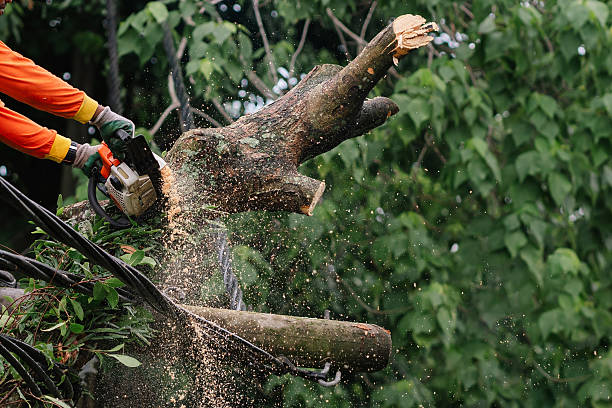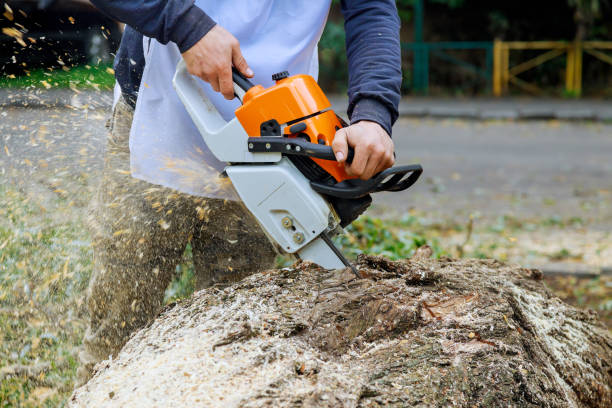
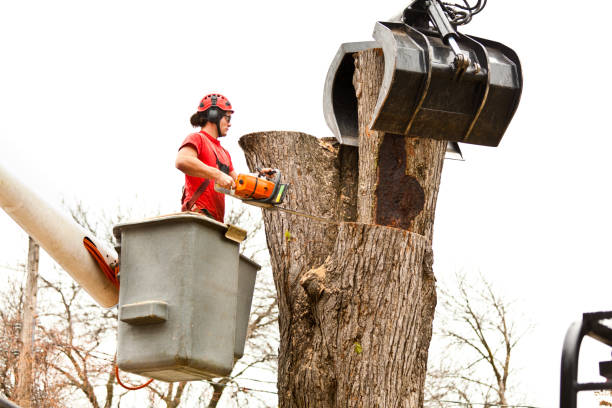
When a tree becomes damaged, diseased, unstable, or too close to a building, removing it may be necessary to protect people and property. However, tree removal involves more than cutting down a trunk. The process can include evaluating the tree, identifying nearby hazards, selecting appropriate equipment, removing branches and trunk sections, and cleaning up the work area.
If you search for tree removal near me, you may find several local companies offering estimates. Understanding what happens during an estimate can help you compare services, ask the right questions, and make an informed decision before work begins.
A free tree removal estimate typically gives property owners an opportunity to discuss the tree’s condition, understand the proposed work, and review expected costs before making a commitment. The exact process depends on the company’s policies and the property’s conditions.
This guide explains what to expect from a tree removal estimate, which factors affect pricing, and how to evaluate a professional tree removal service in Wichita, Kansas.
What Is a Free Tree Removal Estimate?
A free tree removal estimate is an assessment that helps a property owner understand the likely scope and cost of removing a tree. Depending on the provider, the estimate may involve an on-site inspection, a discussion about the tree’s condition, and a written breakdown of the proposed services.
An estimate is not always the same as a final invoice. The price may change if the inspection reveals hidden damage, difficult access, additional hazards, or work that was not included in the original scope. Ask the company to explain how changes will be handled before approving the job.
For homeowners searching for tree removal near me, requesting an estimate is a useful first step because it allows them to understand the work involved rather than choosing a provider based only on a price advertised online.
Is a Free Estimate a Commitment to Hire?
In most cases, requesting a free estimate does not mean you must hire the company. However, you should confirm whether the assessment is free, whether any additional inspection fees apply, and how long the quote remains valid.
Ask for the terms in writing if the project involves a large tree, specialized equipment, or complicated removal conditions.
What Happens During a Tree Removal Estimate?
The estimate process helps a tree service provider determine how the work can be completed and what resources may be required. Here are the main steps you can expect.
1. Initial Consultation and Property Inspection
The process often begins with questions about the tree and the reason for removal. You may explain whether the tree is dead, leaning, damaged by a storm, interfering with a structure, or creating concerns about falling branches.
The provider may then inspect the tree and its surroundings. This can include checking the trunk, visible roots, major branches, and nearby structures.
During this stage, share any known history of storm damage, previous branch failures, or changes in the tree’s condition. These details can help the provider evaluate the situation.
2. Assessment of Tree Condition and Removal Risks
Tree size alone does not determine how difficult removal will be. A smaller tree with severe damage near a house may require more careful handling than a larger tree standing in an open area.
The assessment may consider:
- Dead or broken branches.
- Visible trunk cracks or decay.
- Leaning or unstable growth.
- Proximity to roofs, fences, sheds, and driveways.
- Nearby power lines and other overhead hazards.
- The location of people, vehicles, and other potential obstacles.
Some defects are difficult to identify through a visual inspection alone. If the tree presents a complicated structural concern, additional evaluation may be recommended.
If power lines are involved, do not attempt to trim or remove branches yourself. Contact the appropriate utility provider and a qualified tree service to determine the safe next steps.
3. Equipment and Access Assessment
The provider will consider how workers and equipment can reach the tree. Open yards may provide room for conventional equipment, while narrow gates, steep slopes, fences, and limited parking can make access more challenging.
Depending on the site, the work may require climbing equipment, ropes, a bucket truck, a crane, or other specialized tools. Not every tree removal project requires heavy machinery.
The estimator may also identify areas that need protection during the work, such as landscaping, patios, sidewalks, and nearby buildings.
4. Cleanup and Debris Removal
Tree removal usually produces branches, leaves, wood sections, and sometimes a substantial amount of sawdust. The estimate should explain what happens to this material.
Ask whether the quoted price includes:
- Cutting branches into manageable sections.
- Removing branches and other debris.
- Hauling away the trunk and larger wood pieces.
- Basic cleanup of the work area.
- Stump grinding or separate stump removal, if requested.
Stump grinding is commonly treated as a separate service unless it is specifically included in the quote. Confirm the details before approving the work so you know what the property will look like after the crew leaves.
What Factors Affect Tree Removal Costs?
There is no single price for every tree removal project. The cost depends on the tree, the property, the risks involved, and the services included.
The following table explains common pricing factors.
| Cost factor | Why it matters |
|---|---|
| Tree height and width | Larger trees usually require more labor and equipment. |
| Tree condition | Dead, decayed, or storm-damaged trees may require additional precautions. |
| Location | Trees close to houses, garages, fences, or other structures may need sectional removal. |
| Accessibility | Restricted access can increase labor time or equipment requirements. |
| Overhead hazards | Nearby utility lines or other obstacles may complicate planning. |
| Equipment requirements | Cranes, bucket trucks, and specialized tools can affect the overall price. |
| Debris removal | Hauling away wood and branches adds to the scope of work. |
| Stump grinding | Grinding the remaining stump may involve a separate charge. |
| Emergency conditions | Urgent work may involve different scheduling and safety requirements. |
Why On-Site Estimates Can Be More Accurate
Photos and online descriptions can help a company understand the basic situation, but they may not reveal all the challenges involved. An on-site inspection gives the estimator an opportunity to assess access, nearby structures, visible defects, and debris removal requirements.
For example, two trees of similar height may have very different removal costs if one stands in an open backyard and the other is surrounded by buildings and landscaping.
When comparing estimates, make sure each provider is quoting the same scope of work. A lower price may exclude stump grinding, debris hauling, or other services included in a competing quote.
What Should a Tree Removal Estimate Include?
A useful estimate should clearly explain the proposed work and its expected cost. It should provide enough detail for you to understand what you are paying for and what remains your responsibility.
Before approving a quote, check for the following information.
A Clear Description of the Work
The estimate should identify the tree or trees to be removed and explain the work included. If you have several trees on your property, ask the provider to list each one separately.
The description should clarify whether the job includes removing the entire tree, cutting the trunk into sections, hauling away debris, and performing any additional requested services.
Itemized or Clearly Explained Pricing
The quote should identify the total estimated cost and explain any separate charges. Depending on the provider, this may include labor, equipment, disposal, stump grinding, or other services.
If the estimate contains a single total, ask the company to clarify which tasks are included. You do not necessarily need a separate price for every minor activity, but you should understand the full scope.
Insurance and Safety Information
Tree removal can involve falling branches, heavy equipment, and work at height. Ask whether the company maintains appropriate insurance for its operations and whether coverage can be verified.
Also ask how the crew plans to protect nearby property and manage hazards. If the tree is close to a public road or neighboring property, clarify how the work area will be managed.
Schedule and Payment Terms
The estimate should explain the expected scheduling process, anticipated duration when reasonably known, and payment requirements.
Weather, equipment availability, emergency work, and unexpected site conditions can affect scheduling. Ask how the company communicates delays or changes.
You should also understand when payment is due and whether any deposit is required.
How to Compare Tree Removal Companies Near You
Searching for tree removal near me can produce several options, but location alone does not establish whether a provider is suitable for your project.
Compare companies based on the quality of their assessment, the clarity of their estimates, and their ability to explain the work.
Check Experience and Relevant Services
Ask whether the company regularly handles the type of tree and site conditions involved in your project. Removing a tree in an open yard may require different planning from removing a damaged tree beside a home.
If you need related services, such as tree trimming or stump grinding, confirm whether those services are available and whether they will be included in the same estimate.
Verify Insurance and Credentials
Ask for proof of appropriate insurance and check any applicable licensing or local requirements. Requirements can vary by jurisdiction and type of work, so avoid assuming that every tree service follows the same rules.
For complicated removals, ask how the company evaluates hazards and what procedures it follows to protect workers and property.
Read Reviews Carefully
Customer reviews can provide useful information about communication, scheduling, cleanup, and the experience of working with a company.
Look for recurring patterns rather than relying on a single positive or negative review. You can also ask whether the provider has examples of similar projects.
Compare the Scope, Not Just the Price
When reviewing multiple estimates, confirm that each includes comparable services. One quote may cover removal and complete debris hauling, while another may cover cutting the tree down but leave the wood on the property.
A written estimate with clearly defined responsibilities makes the comparison more meaningful.
Questions to Ask Before Hiring a Tree Removal Service
Before selecting a company, ask questions that address the project’s scope, safety, and cost.
Consider asking:
- Is the estimate free, and will the assessment take place on-site?
- What is included in the quoted price?
- Is debris removal included?
- Does the estimate include stump grinding?
- How will nearby structures, landscaping, and driveways be protected?
- Do you carry appropriate insurance, and can I verify the coverage?
- What equipment will the project require?
- How long is the estimate valid?
- What happens if additional work becomes necessary?
- What is the expected schedule, and how will weather-related delays be handled?
The answers should help you understand the provider’s approach and identify any details that need clarification before work begins.
How to Prepare for a Tree Removal Estimate
Preparing for the assessment can make the process more efficient and help the estimator understand your needs.
Identify the Tree and Your Main Concerns
If your property has several trees, identify the specific tree you want assessed. Explain whether the main concern is damage, disease, interference with a structure, dead branches, or a planned landscaping change.
If you have noticed recent changes, such as new cracks, leaning, or branches falling after a storm, mention them during the consultation.
Provide Safe Access
Where possible, make sure the estimator can reach the relevant part of the property. Keep pets and unnecessary foot traffic away from the inspection area.
Do not climb the tree, cut branches, or approach damaged limbs to make the inspection easier. Leave hazardous assessments to qualified professionals.
List the Services You Need
Think about whether you want the tree removed completely, the debris hauled away, or the stump ground down. If you want the wood retained for firewood or another purpose, discuss that before the quote is finalized.
Requesting all relevant services at the same time can make it easier to compare the total project cost.
Request Written Details
Ask for a written estimate that describes the work and any exclusions. Keep a copy so you can refer to it when discussing scheduling, payment, or changes to the original scope.
When Should You Request an Urgent Tree Removal Assessment?
Some tree problems can be evaluated during routine scheduling, while others require prompt attention.
Consider contacting a qualified tree service promptly if you notice a newly leaning tree, major trunk damage, large broken limbs, or substantial root movement after a storm. A tree that has fallen onto a structure or is obstructing an essential access route may also require urgent assessment.
Keep people away from the affected area until it has been evaluated. Do not stand beneath broken branches or attempt to move a suspended limb yourself.
If a tree or branch is touching a power line, stay well clear and contact the utility provider. For an immediate threat to life or safety, contact the appropriate emergency services.
An urgent assessment does not automatically mean the entire tree must be removed. The appropriate response depends on the tree’s condition, the surrounding hazards, and the professional evaluation.
Why Local Knowledge Matters for Tree Removal in Wichita, KS
Local conditions can influence tree maintenance and removal decisions. In Wichita, property owners may need to consider strong winds, thunderstorms, seasonal weather changes, and storm-related branch damage when evaluating trees.
A tree service familiar with the local area may be better positioned to understand common access challenges, scheduling considerations, and the practical requirements of residential properties. However, each tree still needs an assessment based on its actual condition and location.
Kansas Tree Experts provides a local starting point for property owners researching tree care and removal options in the Wichita area. Visit the Kansas Tree Experts to review the company’s services and determine whether they fit your needs.
Before scheduling work, confirm service availability for your address, the scope of the proposed removal, and the details of any estimate. Local familiarity is useful, but a clear written quote and appropriate safety practices remain essential.
Conclusion
Finding the right tree removal provider starts with understanding the tree’s condition, the work required, and the costs involved. A free estimate gives you an opportunity to discuss potential hazards, equipment needs, debris removal, stump grinding, and scheduling before approving a project.
When searching for tree removal near me, compare written estimates carefully instead of choosing solely on price. Make sure the provider explains the scope of work, confirms applicable insurance, and identifies any services that are not included in the quote.
Kansas Tree Experts is a resource for property owners exploring tree care and removal services in the Wichita area. Visit the Kansas Tree Experts to learn more about available services. If you have questions about a tree on your property, contact us through the website to discuss your needs and ask about an estimate.
A clear assessment and a well-defined quote can help you make an informed decision about maintaining a safer, more manageable property.
Frequently Asked Questions
1. Is a tree removal estimate really free?
Some tree service providers offer free estimates, but policies vary. Confirm that the assessment is free and ask whether additional inspections or specialized evaluations could involve a fee.
2. What happens during a tree removal estimate?
The provider typically discusses your concerns, assesses the tree and surrounding property, considers equipment and access requirements, and explains the proposed work. The estimate may also outline debris removal and optional services.
3. How much does tree removal near me cost?
The price depends on tree size, condition, location, accessibility, equipment requirements, and cleanup. The most useful way to understand your project’s cost is to request an estimate based on the specific tree and property.
4. Do tree removal estimates include stump grinding?
Not always. Stump grinding may be offered separately or included as an additional service. Ask the provider to state clearly whether stump grinding and the removal of resulting debris are part of the quote.
5. How many tree removal estimates should I get?
Comparing two or three estimates can help you understand the available options, provided each quote covers a similar scope of work. Compare safety practices, insurance, cleanup, scheduling, and written terms along with price.
6. Can I get a tree removal estimate from photos?
Some companies may provide a preliminary estimate based on photographs. However, photos may not reveal hidden decay, access restrictions, root problems, or other hazards. Ask whether an on-site assessment is needed before the final price is confirmed.
7. How long does tree removal take after an estimate?
The timing depends on scheduling, weather, the tree’s condition, equipment requirements, and project complexity. Ask the provider for an expected timeframe and whether the quote includes a scheduled service date.
8. Does a free estimate mean I must hire the company?
Generally, requesting an estimate does not obligate you to hire the provider. Confirm the company’s terms before arranging the assessment, particularly if the project requires a specialized inspection.
9. Should I remove a dead or leaning tree immediately?
Not every dead or leaning tree presents the same level of risk. However, sudden leaning, significant trunk damage, root movement, or broken limbs can indicate a serious hazard. Keep people away from the affected area and arrange a professional assessment promptly.
10. How do I choose a reliable tree removal service in Wichita?
Compare written estimates, relevant experience, appropriate insurance, safety procedures, cleanup arrangements, customer reviews, and communication. Choose a provider that clearly explains the proposed work and answers questions about the project’s risks and costs.