Tree Removal Assistance Programs: Options for Homeowners
You walk out your front door in Wichita, look up, and see that the massive oak tree by your driveway is completely dead. The branches are completely bare, large chunks of bark are peeling off the trunk, and the entire tree is leaning dangerously toward your roof. You know it has to come down before the next big windstorm.
But then you get a quote from a local tree service, and your jaw drops. It is incredibly expensive.
If you are on a tight budget, living on a fixed income, or retired, paying for a massive tree removal out of your own pocket can feel impossible. Naturally, you might jump online and start searching for a tree removal assistance program in Wichita.
Is there a secret government grant that will pay for this? Will the city cut it down for free? Can you get help if you are a senior citizen?
In this guide, we are going to walk you through exactly what assistance options are actually available for Kansas homeowners. We will explain how to find help if you qualify, bust a few common myths about free tree work, and show you what to do if you end up having to pay for the removal yourself.
The Harsh Reality of Tree Removal Costs
Before we look at assistance programs, it helps to understand why chopping down a tree costs so much money in the first place. A lot of homeowners get sticker shock, but the high price tag is there for a reason.
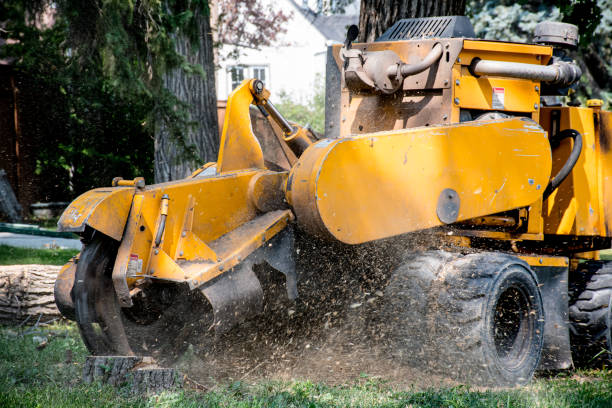
Taking down a large, mature tree safely is not like mowing a lawn. It is highly dangerous work that requires a deep understanding of physics, gravity, and wood tension. The heavy equipment required for the job, like towering bucket trucks, heavy-duty woodchippers, and stump grinders, is incredibly expensive to buy and maintain.
Furthermore, a reputable company has to carry massive general liability and workers’ compensation insurance policies to protect your home in case a heavy log accidentally crashes through your roof.
According to recent industry data, the average cost to remove a mature shade tree ranges from $800 to $2,000. Massive trees hanging over a glass sunroom or power lines can cost even more. For a family on a budget, that is a huge financial hit.
Is There a City Tree Removal Assistance Program in Wichita?
The most common question homeowners ask is whether the local city government will cut the tree down for free. After all, you pay local property taxes, right?
The short answer is: it completely depends on where the tree is physically planted on your property.
If the tree is located on city property, the City of Wichita Forestry Division will handle the maintenance, trimming, and removal at absolutely no cost to you.
How do you know if it is a city tree? Look at the space between your public concrete sidewalk and the street curb. That strip of grass is usually the city’s right-of-way. If the tree originates in that specific spot, the city owns it. You can call the city dispatch at 316-268-4003 to report a dead tree on the right-of-way, and they will put it on their schedule.
However, if the tree is planted in your front yard, your backyard, or anywhere strictly inside your private property line, the city will not help you. There is currently no city-funded rebate program or free tree removal in Wichita for trees on private property. The financial responsibility falls 100% on the homeowner.
Options for Free Tree Removal Services and Assistance
Even though the city won’t write a check for your private tree removal, you still have a few options to explore. Depending on your household income, your age, or the specific location of the tree, you might qualify for some outside help.
Option 1: Wichita Habitat for Humanity Home Repair Program
If a dead tree is actively threatening the structural safety of your house, you might be able to get help through local non-profit organizations. The Wichita Habitat for Humanity runs a fantastic “Home Repair Program.”
This program partners with income-eligible homeowners to fix critical exterior and interior issues that threaten the health, safety, and accessibility of their homes. If you are a senior citizen, a person with disabilities, or a low-income family, and a massive dead tree is actively rotting and about to crush your bedroom, this is considered a major health and safety hazard.
If you own your home, live in Sedgwick County, and meet their specific income limits, you might qualify for grant assistance or a zero-percent interest loan to help cover the cost of making your property safe.
Option 2: Utility Company Line Clearance
Here is a unique situation where you can definitely get free tree removal services or at least very heavy free pruning. Walk outside and look up at the dead tree in your yard. Are the branches physically touching or tangled in the main, high-voltage power lines running through your neighborhood?
If the answer is yes, do not touch the tree. Keep your family away from it and call your local utility provider, like Evergy, immediately.
Utility companies have massive budgets dedicated solely to “vegetation management.” If a tree on your property is a direct threat to the neighborhood electrical grid, the utility company will send their own highly trained tree crews to your house. They will cut the branches away from the active lines for free. In some cases, if the tree is completely dead and poses a high risk to the pole, they will cut the entire tree down for free to protect their equipment.
Option 3: Homeowners Insurance After a Storm
If you have a perfectly healthy, green tree that suddenly gets blown over by a severe Kansas windstorm and crashes onto your roof, your homeowner’s insurance will usually step in to help.
Standard homeowner insurance policies generally pay to remove the heavy wood off the structure and fix the physical damage to your home. While you will still have to pay your policy deductible, it is much cheaper than paying the entire tree removal and roofing bill yourself.
Expert Tip: Insurance companies rarely pay to remove a tree that just died naturally of old age and is still standing upright. They also will not pay if a tree falls into your empty grass and hits absolutely nothing. They only help if the tree strikes a covered structure, like your house, a garage, or a fence.
Quick Guide to Tree Removal Responsibility
| Tree Location / Situation | Who is Responsible for the Cost? | Potential Assistance Available |
|---|---|---|
| Between sidewalk and street curb | The City of Wichita | 100% covered by the City Forestry office |
| Touching high-voltage power lines | Local Utility Company (e.g., Evergy) | Utility clears the lines for free |
| Dead tree in your private backyard | You (The Homeowner) | Habitat for Humanity (if income-eligible) |
| Fell on your roof during a storm | Homeowner’s Insurance | Insurance pays, minus your deductible |
Beware of the “Free Firewood” Scam
If you cannot afford a tree removal, you might be tempted to jump on social media and post an ad saying: “Free firewood to anyone who comes and cuts this tree down.”
Please do not do this. It is an incredibly dangerous idea that can ruin your life financially.
Taking down a mature, standing tree requires a deep understanding of physics, tension, and safe rigging. If an untrained person with a chainsaw shows up to cut your tree down and accidentally drops it onto your neighbor’s roof, you are legally responsible for the damages. If that amateur falls off a ladder and breaks their back in your yard, they can sue you for their massive medical bills because they do not have workers’ compensation insurance.
Never let an uninsured stranger cut down a standing tree on your property just to save a few bucks.
How to Keep Your Out-of-Pocket Costs Down
If you end up having to foot the bill yourself, there are a few expert strategies you can use to lower the price of a professional tree removal quote.
- Keep the wood for firewood. A huge part of a tree removal quote is the labor and dump fees required to load the heavy logs and haul them away. If you have a wood-burning stove or a backyard fire pit, ask the crew to leave the thick trunk wood stacked in your yard. You will need to split and stack it yourself later.
- Leave the stump alone. Tree removal and stump grinding are two totally different services that require different machines. If the stump is in a back corner of the yard hidden by a fence, tell the company to just cut it low to the dirt and leave the stump alone. You will save a few hundred dollars.
- Clear your yard. Time is money. If a crew has to spend an hour moving your patio furniture, unlocking gates, and picking up dog toys before they can start cutting, they will charge you for that time. Have your yard completely clean and ready before they arrive.
Cost-Saving Strategies for Homeowners
| Strategy | How it Saves You Money | Effort Required by Homeowner |
|---|---|---|
| Keep the Firewood | Drops the hauling and dump disposal fees. | High (You have to split and stack the wood later). |
| Skip Stump Grinding | Removes the cost of the stump machine. | Low (Just let the stump rot naturally over time). |
| Clear the Yard | Saves the crew time, leading to a faster job. | Medium (Move patio furniture, cars, and unlock gates). |
| Bundle Services | Trimming other trees on the same day offers bulk pricing. | Low (Just point out the other trees during the estimate). |
Need Affordable, Honest Help? Meet Kansas Tree Experts
If you do not qualify for non-profit grants, and the tree isn’t touching a utility power line, you are going to have to hire a private tree company. When you are paying out of your own pocket, you need a team that is honest, affordable, and fully insured.
That is exactly why Kelly Tunnell started Kansas Tree Experts. We aren’t a massive, faceless corporation from another state. We are your neighbors right here in Kansas. With over 25 years of hands-on experience, we know how to handle dangerous, rotting trees safely and efficiently.
When you hire us, we don’t play games. We give you a straight-talk, written price. There are no high-pressure sales tactics, no hidden fees, and absolutely no surprises. We are fully licensed and heavily insured to protect your home. We respect your property, we walk carefully around your delicate flower beds, and when we leave, we clean up the mess so perfectly you won’t even know we were there.
If you need honest advice about a dangerous tree on your property, feel free to contact us today to get a completely free, no-obligation estimate.
Frequently Asked Questions
Are there government grants for tree removal?
There are no wide-scale federal grants just for removing residential yard trees. However, low-income seniors or disabled homeowners might qualify for safety repair grants through local community action programs or non-profits like Wichita Habitat for Humanity to remove extreme hazards.
Will the city cut my tree down for free?
The city will only cut down trees that are planted on public property, like the grassy right-of-way between your sidewalk and the street. If the tree is planted inside your private yard, the city will not remove it.
Does Medicare or Medicaid pay for tree removal?
No. Medicare, Medicaid, and standard health insurance programs do not cover any home maintenance or landscaping tasks. Even if the dead tree is a severe safety hazard to a disabled resident, medical assistance programs will not pay for it.
How do I know if the tree is touching a dangerous power line?
Look closely at the very top wires on the utility poles near your property. If branches are physically resting on or wrapped around those high-voltage lines, call your utility provider immediately. They will clear the lines for free.
Will my insurance pay to remove a dead tree?
Homeowners insurance usually only pays if a healthy tree falls and actually damages a covered structure, like your roof or fence. They will not pay to simply cut down a dead tree that is still standing in your yard.
Can I deduct tree removal from my taxes?
Generally, no. The IRS considers routine tree removal to be a personal home maintenance expense, which is not tax-deductible for normal homeowners. The only exception is sometimes for landlords treating the tree removal as a rental property business expense.