Finding the right tree service in Wichita starts with understanding what your property actually needs. A tree may require routine trimming, removal after significant damage, stump grinding after a previous removal, or broader vegetation management. Each situation requires a different approach, so property owners should look beyond a company name and focus on the services, planning, and work process involved.
People searching for huff’s tree service may be looking for information about local tree-care options, what services to expect, and how to determine whether a provider is suitable for a particular property. This is especially important in Wichita, where residential neighborhoods, commercial properties, mature trees, and changing seasonal conditions can create different maintenance requirements.
Kansas Tree Experts provides tree-care services in Wichita and surrounding communities. Its listed services include tree trimming, tree removal, stump grinding, land and bush clearance, and commercial tree services.
This guide explains what property owners should consider when researching a local tree service and how to prepare for professional tree work.
What Makes a Local Tree Service Important in Wichita?
Tree care is closely connected to the property’s surroundings. The same type of tree can require different maintenance depending on its location, size, condition, and proximity to buildings or other structures.
Wichita properties can range from small residential yards to larger commercial grounds. Some have mature trees near houses and driveways, while others have trees along sidewalks, parking areas, fences, or common spaces.
A local tree-care assessment should account for these conditions before work begins.
Seasonal Tree Conditions
Trees can experience changing conditions throughout the year. Strong winds, storms, dry periods, and seasonal growth can affect branches and overall tree maintenance needs.
After severe weather, property owners may notice broken limbs or damaged branches. A damaged tree does not always require complete removal. Depending on its condition, selective trimming or other tree-care work may be appropriate.
Different Properties Have Different Needs
A homeowner may need one tree trimmed, while a property manager may need several trees assessed across an apartment complex or commercial site.
The size and number of trees can affect equipment, scheduling, access, cleanup, and the overall project scope.
This is why a property-specific evaluation is more useful than assuming that every tree-care job follows the same process.
Start With the Tree Problem, Not the Company Name
When researching huff’s tree service, it can be helpful to first identify the problem you are trying to solve.
Ask yourself what has changed on the property.
Is a branch interfering with a roof or driveway? Has a tree been damaged by weather? Is a dead tree creating a maintenance concern? Is an old stump preventing landscaping work?
Defining the problem makes it easier to identify the appropriate service.
Tree Trimming for Branch Management
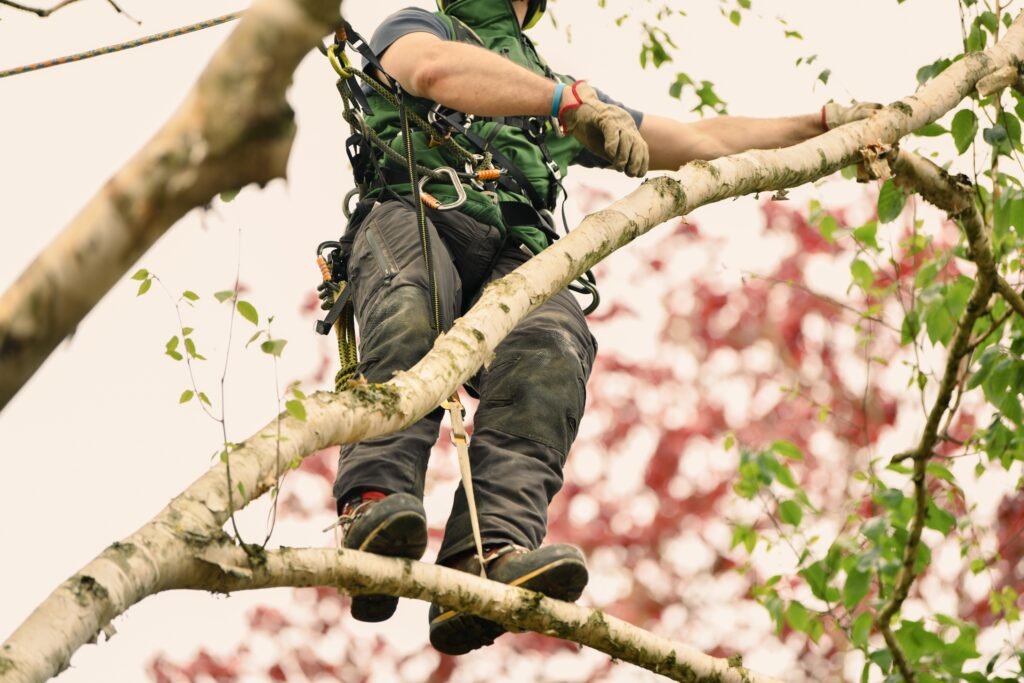
Tree trimming involves selectively removing branches to address specific property or tree-maintenance needs.
Common reasons for trimming can include:
- Branches growing toward structures
- Overgrown limbs
- Dead or damaged branches
- Clearance around walkways
- Clearance around driveways
- General tree maintenance
Trimming should be based on the tree and site conditions rather than simply removing a large amount of growth.
Tree Removal for Problematic Trees
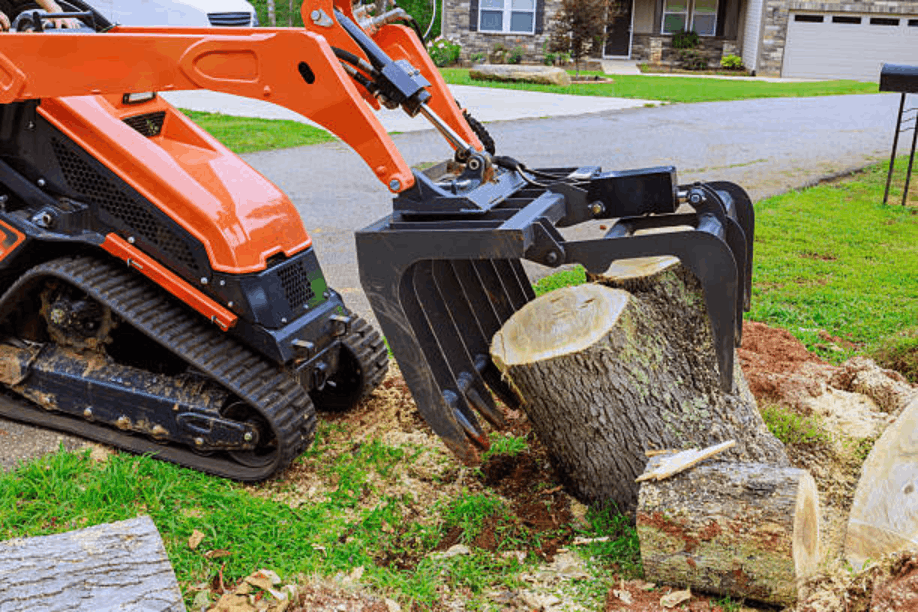
Tree removal is considerably different from trimming. It involves taking down the entire tree and managing the resulting trunk, limbs, and debris.
Removal may be considered when a tree is dead, severely damaged, structurally compromised, or occupying an area needed for a property project.
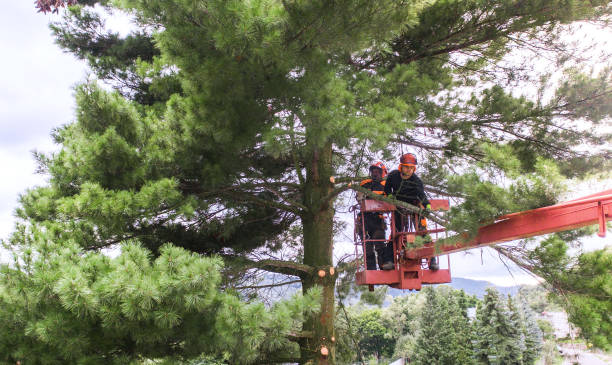
Large trees can require careful planning because of their weight and proximity to buildings, vehicles, landscaping, and other structures.
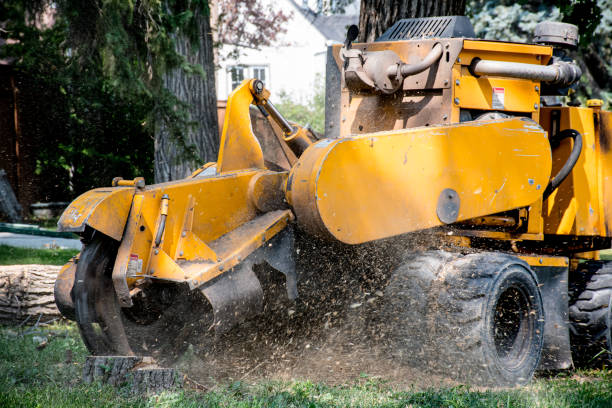
Stump Grinding After Tree Removal
A tree can be removed while leaving the stump behind.
Stumps may interfere with mowing, planting, landscaping, or future improvements. Stump grinding reduces the visible portion of the stump below the surrounding grade.
The required depth depends on what the property owner intends to do with the area afterward.
Land and Bush Clearance
Not every tree-care project involves one individual tree.
Properties with dense brush, unwanted vegetation, or overgrown areas may require broader clearance. This can help create usable space and make property maintenance easier.
Kansas Tree Experts lists land and bush clearance as one of its services for properties that require vegetation management beyond individual tree trimming or removal.
What Should You Check Before Hiring a Tree Service?
Once you understand the problem, you can evaluate whether a tree-care provider is appropriate for the project.
Confirm the Service You Need
Start by checking whether the company provides the specific service required.
For example, a property that needs both tree removal and stump grinding may require a provider capable of handling both stages.
Similarly, a property with extensive vegetation may require land or bush clearance in addition to individual tree work.
Consider the Property Layout
The physical layout can influence the work.
Important factors include:
- Gate width
- Driveway access
- Parking areas
- Building proximity
- Fences
- Sidewalks
- Landscaping
- Utility infrastructure
- Slopes
- Nearby trees
A contractor needs to understand these conditions before determining how equipment and workers can access the area.
Discuss Cleanup
Tree work can generate branches, logs, leaves, and wood chips.
Before scheduling the work, ask what happens to the resulting material and whether cleanup is included in the project scope.
Clear expectations can help prevent misunderstandings after the work is completed.
How Wichita Property Conditions Affect Tree Work
Local tree work is influenced by more than the condition of the tree itself.
Trees Near Buildings
A tree growing close to a home or commercial building requires careful consideration because falling branches or equipment movement could affect the surrounding area.
The work plan should account for the building’s location and the available space.
Trees Near Driveways and Parking Areas
Vehicles create another consideration. Property owners may need to move vehicles or temporarily restrict access to parts of a driveway or parking area.
For commercial properties, scheduling may need to take business operations into account.
Trees Along Sidewalks
Sidewalk trees can affect pedestrian access during tree work. Temporary restrictions may be necessary while branches or other materials are being handled.
Trees in Landscaped Areas
Landscaping can make equipment access more difficult. Flower beds, irrigation systems, retaining features, and other vegetation may need to be considered when planning the work.
Residential and Commercial Tree-Care Needs Are Not Always the Same
The basic tree-care services may be similar, but the planning requirements can differ.
Residential Tree Care
Homeowners commonly request trimming, removal, or stump grinding for individual trees.
The primary considerations may include protecting the home, maintaining the yard, improving access, and preparing an area for landscaping.
Commercial Tree Care
Commercial properties can involve larger areas, multiple trees, customers, employees, tenants, and vehicles.
Scheduling and access therefore become more important.
Kansas Tree Experts identifies commercial tree services for businesses, HOAs, and property managers.
For property managers, it can be useful to document the locations of trees or stumps that require attention before contacting a contractor.
How to Prepare for a Tree Service Appointment
Good preparation can make a tree-care visit easier to coordinate.
Identify the Work Area
Determine which trees, branches, stumps, or vegetation need attention.
If multiple trees are involved, make a list of their locations.
Clear Movable Items
Move vehicles, outdoor furniture, decorations, and other movable objects away from the immediate work area when possible.
Identify Access Points
Check which gates, driveways, or pathways can provide equipment access.
If a gate must remain locked, make arrangements with the contractor before the appointment.
Explain Your Property Plans
Tell the contractor if you plan to landscape, install grass, build a structure, improve a driveway, or make another change after the tree work.
The intended use of the area can influence the appropriate scope of work.
Questions to Ask Before Tree Work Begins
A few straightforward questions can help property owners understand the project.
What Type of Tree Work Is Recommended?
Ask whether the property needs trimming, removal, stump grinding, or another service.
If there are multiple possible approaches, ask what factors distinguish them.
What Equipment Will Be Used?
Equipment requirements can vary depending on tree size, access, and location.
Understanding the equipment can also help property owners identify potential access restrictions.
What Is Included in Cleanup?
Clarify whether branches, logs, wood chips, and other debris will be handled as part of the project.
How Will Access Be Managed?
Ask whether vehicles, gates, sidewalks, or portions of the property need to be temporarily restricted.
What Happens After Stump Grinding?
If a stump is being ground, ask about the resulting chips, soil conditions, and preparation of the area for future landscaping.
A Simple Tree Service Evaluation Checklist
When comparing local tree-care options, the following checklist can help organize the decision.
| Consideration | Question to Ask | Why It Matters |
|---|---|---|
| Service type | What work does the property need? | Helps identify the right service |
| Location | Where is the tree or stump? | Determines access and work conditions |
| Tree condition | Is it damaged, dead, or overgrown? | Helps determine the scope |
| Equipment | What equipment is appropriate? | Supports efficient work planning |
| Access | Can equipment reach the area? | May affect the work method |
| Nearby features | What structures are close by? | Helps identify site considerations |
| Cleanup | What happens to debris? | Clarifies project expectations |
| Future plans | What will the area be used for? | Can affect stump or site preparation |
| Scheduling | When can the work safely occur? | Helps minimize disruption |
Why Clear Communication Matters
Tree work involves more than the physical removal or trimming of vegetation.
A clear conversation before the project begins can establish expectations about the work area, access, scheduling, cleanup, and the desired result.
For property managers, written project details can be particularly useful when several trees or locations are involved.
For homeowners, photographs and a clear description of the problem can help communicate what needs attention.
Understanding Kansas Tree Experts’ Local Services
Kansas Tree Experts serves Wichita and surrounding communities with several tree-care services.
The company’s listed services include tree trimming, tree removal, stump grinding, land and bush clearance, and commercial tree services.
For someone researching huff’s tree service or simply comparing local tree-care options, the important question is whether the service provider’s capabilities match the property’s needs.
Kansas Tree Experts can be considered when the project involves one or more of the tree-care services listed on its website. The appropriate service depends on the property’s condition and the work being considered.
A property owner can begin by identifying the tree issue, documenting the location, and explaining any access or landscaping considerations.
How to Choose the Right Tree Service for Your Property
There is no single tree-care solution that works for every property.
A useful approach is to work through the following steps.
Step 1: Identify the Issue
Determine whether the problem involves branches, an entire tree, a stump, or overgrown vegetation.
Step 2: Assess the Surroundings
Look at nearby buildings, vehicles, fences, landscaping, sidewalks, and access points.
Step 3: Define the Desired Result
Think about what you want the property to look like or how you intend to use the space after the work.
Step 4: Discuss the Project
Provide the contractor with relevant details about the tree, location, access, and desired outcome.
Step 5: Confirm the Scope
Before work begins, make sure the expected services and cleanup responsibilities are understood.
This process can help property owners make a decision based on the actual requirements of the project rather than simply choosing the first local search result.
Conclusion
Choosing a local tree service is easier when the decision starts with the property’s actual needs. Whether you are researching huff’s tree service or evaluating another local tree-care option, consider the type of work required, the tree’s condition, access, surrounding structures, equipment needs, scheduling, and cleanup.
For Wichita property owners, local conditions and property layouts can make each tree-care project different. A tree near a house may require a different approach from one located in an open yard, while commercial properties may require additional planning around customers, employees, tenants, and vehicles.
Kansas Tree Experts offers tree trimming, tree removal, stump grinding, land and bush clearance, and commercial tree services in Wichita and surrounding communities.
If you are considering tree work for your property, contact us to discuss the type of service you need and the conditions of the site.
Frequently Asked Questions
What should I consider when searching for Huff’s Tree Service?
When researching huff’s tree service, consider the specific work your property needs, the company’s service area, available services, project planning, equipment, access requirements, and cleanup process.
How do I know whether my tree needs trimming or removal?
The answer depends on the tree’s condition, location, and the reason for the concern. Trimming addresses selected branches, while removal eliminates the entire tree. A professional assessment can help determine which service is appropriate.
Is stump grinding necessary after tree removal?
Not always, but it can be useful when the remaining stump interferes with mowing, landscaping, planting, or future property improvements.
What information should I provide when requesting tree service?
Provide the tree’s approximate size, location, condition, nearby structures, access limitations, and the work you are considering. Photos may also help communicate the situation.
Does weather affect tree service scheduling?
Weather can affect outdoor tree work, particularly during strong winds, severe storms, heavy precipitation, or other unsafe conditions. Scheduling decisions should account for current site conditions.
What is the difference between tree trimming and tree removal?
Tree trimming involves removing selected branches, while tree removal involves taking down the entire tree. They are different services with different equipment and planning requirements.
Can tree service include brush and vegetation clearance?
Some tree-care providers offer land and bush clearance in addition to individual tree services. Kansas Tree Experts lists land and bush clearance among its services.
Does Kansas Tree Experts serve Wichita?
Yes. Kansas Tree Experts provides tree-care services in Wichita and surrounding communities, including tree trimming, removal, stump grinding, land and bush clearance, and commercial tree services.
How should I prepare for a tree service appointment?
Identify the trees or vegetation involved, clear movable items from the work area, consider equipment access, and tell the contractor about any nearby structures or future plans for the property.