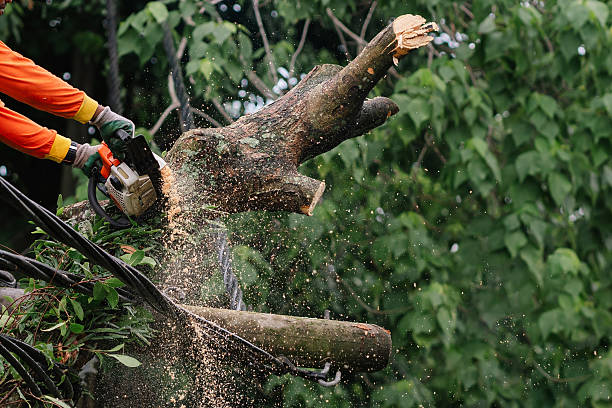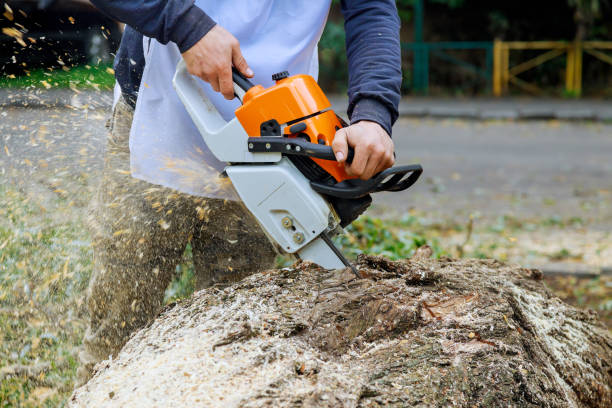

A tree can start causing problems gradually. Branches grow over the roof, limbs hang over the driveway, or a storm leaves part of the canopy cracked and uneven. Sometimes a few careful cuts are enough to address the issue. In other cases, the tree may need to come down entirely.
For homeowners, understanding tree cutting in Wichita, KS, starts with knowing what type of work the tree actually needs. Cutting branches, trimming a tree to improve its shape, and removing the whole tree are different jobs, and choosing the wrong approach can lead to more problems than it solves.
This guide explains how these services differ, what to look for around your property, when professional help makes sense, and what you should consider before arranging tree work.
Tree Cutting, Trimming, and Removal Are Different Services
People often use these terms interchangeably, but they describe different kinds of work. Knowing the distinction can help you explain the problem clearly when requesting an estimate.
What Does Tree Cutting Mean?
Tree cutting is a broad term for work that involves cutting a tree or its branches. It may refer to removing a damaged limb, shortening selected branches, cutting back growth that obstructs an area, or cutting down an entire tree.
Because the term covers several types of work, it helps to describe the specific outcome you want rather than asking for cutting alone.
For example, if branches are scraping your roof, you may need targeted pruning. If the tree has a large split in its trunk and is at risk of falling, the situation may call for a professional assessment to determine whether removal is necessary.
What Is Tree Trimming?
Tree trimming usually focuses on managing branch growth, improving clearance, and maintaining the tree’s appearance. Depending on the tree, the work may include removing selected branches that interfere with a walkway, building, or other part of the property.
Proper trimming should account for the tree’s structure and long-term health. Removing too much foliage or making poor cuts can weaken the tree, encourage unwanted growth, or leave it more vulnerable to damage.
Trimming is generally intended to retain the tree, not eliminate it. The aim is to address specific concerns while preserving as much healthy growth as possible.
When Is Full Tree Removal Necessary?
Tree removal involves taking down the entire tree, usually by cutting it into manageable sections or using another method suited to the site. It may be considered when a tree is dead, severely damaged, structurally unstable, or no longer suitable for its location.
Removal may also be appropriate when a tree creates a significant risk that cannot be managed safely through pruning. However, a tree looking untidy or dropping leaves does not automatically mean it needs to be removed.
A qualified tree professional can assess the condition of the trunk, major limbs, root area, and surrounding space before recommending the next step.
How to Tell Which Type of Tree Work Your Property Needs
The signs around your yard can help you identify what needs attention, although visible symptoms alone cannot always reveal the full condition of a tree. Look at the problem and consider how it affects your property.
Branches Growing Too Close to the House
Branches touching shingles, gutters, siding, or windows may need to be cut back. Limbs can scrape surfaces as they move in the wind, and dense growth can make it harder to inspect parts of the roof.
A professional can determine which branches should be removed and how much clearance is appropriate. Avoid simply cutting every branch near the house, as excessive cutting can damage the tree’s natural structure.
Dead or Broken Limbs
Dead branches may break and fall, especially during strong winds or storms. Look for limbs without leaves during the growing season, hanging branches, visible cracks, or sections that have broken away from the canopy.
Not every dead branch means the whole tree must go. In some cases, removing the affected limbs is enough. If the damage extends into the trunk or several major limbs, the tree may require a more detailed assessment.
A Leaning Trunk or Visible Cracks
A tree that has always grown at an angle is not necessarily dangerous. A sudden change in its lean, disturbed soil near the roots, exposed roots, or a major trunk crack is more concerning.
These signs can indicate that the tree’s stability has changed. Keep people away from the potential fall area and arrange a professional assessment. Do not attempt to test the tree’s stability by pushing it or cutting into the trunk.
Dense Growth Blocking Light or Access
Overgrown branches can shade windows, obstruct paths, or interfere with vehicles entering a driveway. Selective trimming may improve clearance without requiring extensive cutting.
If the tree has become crowded with crossing branches, a tree professional can also assess whether selective pruning would improve its structure. The amount of work needed will depend on the species, size, and existing condition of the tree.
Why Wichita’s Weather Matters When Planning Tree Work
Trees around Wichita experience changing seasonal conditions, including hot summers, strong winds, and storms that can damage branches or affect a tree’s stability. The right response depends on the type and extent of the damage.
After Strong Winds or Storms
Once the weather clears, check your property from a safe distance. Look for broken limbs, branches caught in the canopy, split trunks, or trees that have shifted toward buildings and fences.
Do not walk beneath hanging branches or approach a tree that has fallen onto a power line. Stay well clear and contact the utility provider or emergency services as appropriate. Tree work around energized lines should be handled by qualified personnel.
For smaller amounts of storm damage, selective pruning may be enough. More serious damage may require controlled removal, particularly if the trunk or root system has been compromised.
Before Seasonal Growth Becomes Heavy
Homeowners may notice crowded branches when leaves return or when shade begins to cover more of the yard. Planning routine trimming before a problem becomes urgent can make it easier to schedule an assessment and decide which branches genuinely need attention.
The right timing also depends on the tree species and the purpose of the work. If you are unsure when a particular tree should be pruned, ask a qualified professional rather than applying the same schedule to every tree on the property.
When Damage Cannot Wait
A cracked major limb, a recently uprooted tree, or a tree leaning unexpectedly toward an occupied area needs prompt attention. Keep people and pets away from the affected area until it can be assessed.
Avoid trying to cut large damaged limbs yourself. Tension in broken wood can cause branches to move suddenly, and damaged trees may shift while being cut.
What to Know Before Hiring a Tree Cutting Service in Wichita, KS
Choosing a contractor is about more than finding someone with a chainsaw. Tree work can involve heavy branches, elevated cutting, powered equipment, and risks to nearby buildings. A suitable provider should be able to explain the work and how it will be carried out.
Ask for a Site Assessment
A useful estimate should account for the tree’s size, condition, location, and access to the work area. A company should also consider nearby structures, fences, landscaping, driveways, and overhead hazards.
Be cautious about accepting a firm quote for a complex job when the provider has not seen the property or asked enough questions to understand the conditions.
Confirm Insurance and the Scope of Work
Ask for current proof of appropriate liability insurance and workers’ compensation coverage where applicable. Make sure the written estimate explains what the price includes.
For example, clarify whether the company will:
- Remove only selected branches or cut down the entire tree
- Haul away branches and logs
- Grind the stump or leave it in place
- Clear debris from the work area
- Charge separately for special equipment or additional work
These details make it easier to compare estimates and avoid unexpected costs.
Understand the Safety Plan
The company should explain how it will manage falling branches and protect people and property. Depending on the site, the crew may need to work in sections, use rigging equipment, or bring in specialized machinery.
Tree work carries serious occupational risks. The U.S. Bureau of Labor Statistics reported 80 fatal occupational injuries among tree trimmers and pruners in 2023. This figure reinforces why tree cutting should not be treated as a routine do-it-yourself task when large limbs, heights, or unstable trees are involved.
Check Reviews and Communication
Look for reviews that describe the actual work, including punctuality, communication, property protection, and cleanup. A strong rating can be useful, but it should not replace checking insurance and understanding the estimate.
Pay attention to how the company answers your questions. You should feel comfortable asking what will be removed, what will remain, and how unexpected issues will be handled.
Do Wichita Homeowners Need Permission to Cut or Remove a Tree?
Before arranging work, make sure you know whether the tree is entirely on your private property or is located in a public right-of-way. The distinction can affect who is responsible for the tree and which rules apply.
Trees on Private Property
For a tree located entirely within your property boundaries, start by confirming whether any local restrictions, development conditions, or homeowners association rules apply to your situation. Requirements can vary depending on the property’s location and circumstances.
If the tree sits close to a boundary, do not assume that its trunk location tells the whole story. Check the property line before authorizing work that could affect a neighboring property.
Trees Near Streets and Public Rights-of-Way
Trees along streets, sidewalks, and public rights-of-way may be subject to City of Wichita policies. The City explains that its tree policy covers trees on public property and that homeowners should consult a certified arborist for work on trees located on private property. It also provides a Forestry department contact for tree-related requests. See the City of Wichita’s tree policy and operations information.
If you are unsure who owns or controls the tree, contact the City’s Forestry department before arranging cutting or removal. It is better to clarify responsibility first than risk carrying out unauthorized work.
What Affects the Cost of Tree Cutting?
There is no single price that applies to every tree. The estimate depends on the work required and the conditions around the tree, so a site assessment is usually the most reliable way to get a useful quote.
| Factor | How It May Affect the Estimate |
|---|---|
| Tree height and width | Larger trees often require more labor and equipment. |
| Tree condition | Dead, cracked, or storm-damaged trees may be harder to handle safely. |
| Location | Trees close to buildings, fences, or utility lines may need more controlled work. |
| Access | Narrow gates, limited space, or difficult ground can complicate equipment use. |
| Type of service | Selective trimming generally involves a different scope from full removal. |
| Debris disposal | Hauling away branches and logs may add to the total. |
| Stump grinding | This is often priced separately unless included in the estimate. |
When comparing quotes for tree removal in Wichita, check that each company is pricing the same work. A lower figure may exclude stump grinding, debris hauling, or other tasks that another estimate includes.
Ask the provider to explain any major price differences. A detailed quote helps you understand what you are paying for and gives you a clearer basis for making a decision.
How to Prepare Your Yard Before the Crew Arrives
A little preparation can help the work go smoothly. Once the date is confirmed, ask the company whether it needs you to take any specific steps before arrival.
Use this checklist as a starting point:
- Move vehicles: Park cars away from the tree and the crew’s equipment access route.
- Clear the work area: Move garden furniture, toys, tools, and other loose items from the immediate area.
- Keep children and pets indoors: Make sure they stay away from the work zone.
- Point out concerns: Tell the crew about underground irrigation lines, delicate landscaping, gates, or other features that may be affected.
- Confirm debris arrangements: Make sure you know whether wood chips, logs, branches, and the stump will be removed.
- Discuss access: Check that gates can be opened and that the crew knows about any access restrictions.
Do not attempt to prepare the tree by cutting large limbs or climbing it before the crew arrives. Leave the cutting plan to the professionals, especially when the tree is tall, damaged, or close to structures.
Keep Tree Safety a Priority
The right tree care solution depends on the condition of your tree and the concerns around your property. At Kansas Tree Experts, we help Wichita homeowners understand their options, whether they need targeted trimming, selective branch removal, or complete tree removal. We take the time to assess the work and recommend an approach that suits the situation.
If you need help assessing a damaged, overgrown, or potentially hazardous tree, contact us to discuss the work and request an estimate. The goal is to choose a practical solution that addresses the problem while taking the condition of your tree and the safety of your property into account.
Frequently Asked Questions
1. What is the difference between tree cutting and tree trimming?
Tree cutting is a broad term that can refer to removing branches or cutting down a whole tree. Tree trimming usually involves selectively cutting branches to improve clearance, manage growth, or maintain the tree’s structure while keeping the tree standing.
2. How do I know if a tree needs to be removed rather than trimmed?
A tree may need removal if it is dead, severely damaged, unstable, or poses a risk that cannot be managed through pruning. A professional assessment can help determine whether targeted branch removal is sufficient or whether the whole tree needs to come down.
3. When should I hire a tree cutting service in Wichita, KS?
Consider hiring a professional when branches are close to your roof, large limbs are damaged, the tree is difficult to access, or cutting could affect nearby structures. Large trees and storm-damaged limbs can be unpredictable, so avoid tackling complex work yourself.
4. Do I need permission to remove a tree in Wichita?
Requirements depend on the tree’s location and the circumstances. Trees in public rights-of-way may be subject to City of Wichita policies. If you are unsure whether a tree is on private or public property, check with the City’s Forestry department before arranging work.
5. How much does tree removal in Wichita cost?
The price depends on the tree’s size, condition, location, access, equipment needs, and debris disposal requirements. Stump grinding may cost extra. Request a written estimate based on an on-site assessment so you can compare the same scope of work across providers.
6. Should I remove branches that hang over my roof myself?
Small, accessible branches may appear manageable, but cutting limbs near a roof can be risky if they are heavy, under tension, or difficult to control. For large branches or work at height, hire a qualified tree professional and keep clear of damaged limbs.