Tree trimming and removal can leave behind a surprising amount of debris. Branches, twigs, leaves, and sections of wood can quickly fill a driveway or cover parts of your yard. Once the cutting is finished, you still need to decide what to do with all that material.
One option is to have the branches chipped into smaller pieces. This makes them easier to handle and can turn some of the leftover wood into useful material for your landscape.
A tree chipper service helps process branches and other suitable woody debris after tree work. The resulting wood chips may be used as garden mulch, spread in selected landscape areas, or hauled away, depending on your needs.
If you are planning tree trimming or removal, understanding how debris is processed can help you decide which cleanup option makes sense for your property.
What Is a Tree Chipper Service?
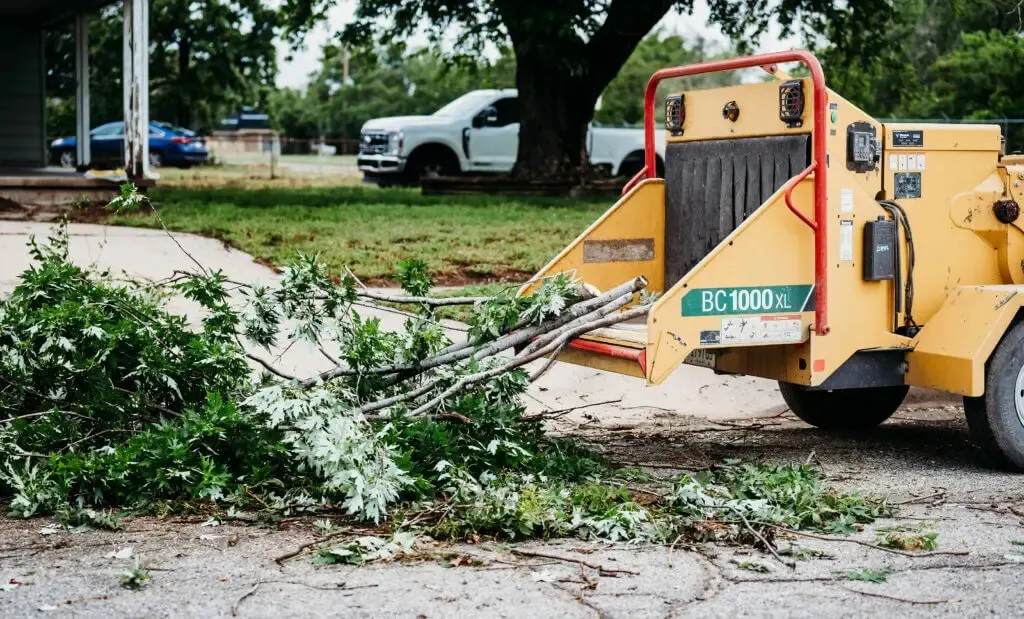
A tree chipper service uses specialised equipment to break suitable branches and woody material into smaller chips. This reduces the volume of loose debris and makes it easier to transport, reuse, or dispose of.
For example, a mature tree may leave behind piles of branches after pruning. Instead of cutting every branch into short lengths and hauling it away, a crew can feed suitable material into a wood chipper.
The machine uses a cutting mechanism to turn branches into smaller pieces. The size and consistency of the chips depend on the equipment and the material being processed.
A wood chipping service can help homeowners:
- Reduce large piles of branches after tree work.
- Prepare wood chips for suitable landscaping uses.
- Make woody debris easier to load and transport.
- Clear work areas more efficiently.
- Reduce the amount of loose branch material that needs separate handling.
Not all tree debris can go through a chipper. Large trunks, oversized logs, soil-covered roots, stones, and other unsuitable materials may need separate handling.
What Happens to Tree Debris After Chipping?
The next step depends on the type of debris, the condition of the wood, and how you want to use the finished chips. Here are the main ways tree debris can be processed after trimming or removal.
1. Branches Are Turned Into Wood Chips
Tree debris is not always waste that needs to be hauled away. According to the U.S. Environmental Protection Agency, an estimated 22.3 million tons of yard trimmings were composted or used as wood mulch in 2018.
This shows how branches, leaves, and other yard materials can be put to further use instead of being sent straight to disposal.
The crew may chip material as the tree work progresses or process it after the main cutting is complete. The approach depends on the job size, equipment access, and available space.
2. Wood Chips May Be Reused as Landscape Mulch
One possible use for clean wood chips is landscaping. When applied appropriately, they can help cover bare soil around trees, shrubs, and garden beds.
A layer of wood chips can help reduce moisture loss from the soil, limit some weed growth, and protect the soil surface from direct exposure to sun and rain.
However, placement matters. Keep mulch away from direct contact with tree trunks and plant stems, and avoid piling it against your home’s siding or foundation. Thick layers can also create problems if they restrict airflow or retain excessive moisture in the wrong location.
Ask your tree care provider whether the chips are suitable for your intended use. Fresh wood chips are generally better suited to surface mulch than to being mixed directly into garden soil.
3. Some Debris Is Hauled Away
Not every homeowner wants to keep the wood chips. You may have a small yard, limited garden space, or no practical use for the material.
In these cases, the crew may collect the chips and transport them away, depending on the service agreement. Larger logs and unsuitable branches may be hauled separately or processed through another method.
Before work begins, confirm whether debris removal is included in your quote. Some services include chipping but leave the finished chips on-site, while others offer collection and hauling for an additional charge.
4. Larger Logs Are Handled Separately
A chipper is not designed to process every part of a tree. Large trunk sections and heavy logs may exceed the machine’s capacity or be unsuitable for the equipment being used.
These pieces may be cut into manageable lengths, removed with suitable lifting equipment, or taken away for separate processing.
Depending on their condition and the available arrangements, logs may be retained as firewood, transported for other uses, or disposed of appropriately. Ask before the job starts if you want to keep certain sections of the tree.
5. Leaves and Fine Debris Are Collected
Leaves, small twigs, and other loose material may remain after the main branches have been chipped. Depending on the equipment and the type of debris, some fine material may be processed separately or collected during cleanup.
Leaves can sometimes be composted, while twigs and other woody pieces may need different handling. Diseased plant material may also require special disposal, depending on the problem and local guidance.
A thorough cleanup plan should explain what happens to the different types of debris rather than assuming everything will go through the chipper.
When Should You Consider a Wood Chipping Service?
Wood chipper services in Wichita can be useful in several situations, particularly when tree work leaves more branches than you can manage yourself.
1. After Major Tree Trimming
Even routine pruning can create a substantial pile of branches, especially when a mature tree needs its canopy reduced or damaged limbs removed.
Chipping suitable branches can help clear the work area without requiring every piece to be cut and stacked separately.
2. After Tree Removal
Removing a tree often leaves branches and smaller sections of wood behind, even when the main trunk is handled separately.
A chipper can reduce suitable branches into manageable material. The crew can then collect the chips, leave them for approved reuse, or haul them away according to your agreement.
3. When Your Yard Has Limited Space
Large branch piles can block driveways, garden paths, and access around your home. They may also make it harder to complete other landscaping work.
Chipping reduces the space needed to store loose branches. However, the equipment itself also needs suitable access and enough room to operate safely.
4. When You Want Mulch for Your Landscape
If you have garden beds, shrubs, or established trees, you may be able to use some of the resulting chips as surface mulch.
Discuss this with the crew before work begins so they know whether you want to retain the material. The quantity and type of chips will depend on the tree and the amount of debris processed.
5. When Branches Are Difficult to Transport
Long branches can be awkward to load into a trailer or move through narrow gates. They may also need to be cut down repeatedly before they can be hauled away.
Chipping suitable material reduces its size and can make collection and transport more practical.
Tree Chipping vs. Other Debris Removal Options
A chipper is useful for processing branches, but it is not the right solution for every type of tree debris. The best method depends on what remains after the tree work and what you want to do with it.
| Method | Best Suited To | Main Consideration |
|---|---|---|
| Wood chipping | Suitable branches and woody debris | Requires appropriate equipment and safe access |
| Hauling branches away | Debris you do not want to keep | Transport and disposal may add to the cost |
| Keeping logs for firewood | Suitable, healthy wood of manageable size | Logs need to be cut, moved, and stored safely |
| Composting leaves | Suitable leaves and fine plant material | Not all plant material is suitable for composting |
| Separate log removal | Large trunks and oversized wood | May require additional equipment or handling |
For example, a homeowner who wants to clear branches after pruning may benefit from chipping. Someone removing a large tree may need a combination of chipping, log removal, and general cleanup.
The important thing is to agree on how each type of debris will be handled before the work starts.
How Does a Tree Chipper Service Work?
The process is fairly straightforward, but the crew still needs to assess the material and plan the work area before operating the equipment.
Step 1: Assess the Tree Debris
The crew checks the amount, size, and type of material left after trimming or removal. This helps determine which branches can be chipped and which pieces need separate handling.
They also consider access to the work area and where the chips will be collected.
Step 2: Set Up the Equipment
The chipper needs a suitable location with enough room for the crew to work safely. The team may also need space for a truck, trailer, or collection area.
Access can be more complicated in small yards or properties with narrow gates, steep ground, or limited driveway space.
Step 3: Feed Suitable Branches Into the Chipper
Workers prepare and feed suitable material according to the machine’s operating requirements. Branches that are too large, contaminated with unsuitable materials, or otherwise unsafe to process are handled separately.
Never try to feed branches into a chipper yourself unless you are trained and authorised to operate that equipment. The machine can cause severe injuries if used incorrectly.
Step 4: Collect and Sort the Finished Material
The chips are discharged into a designated area or collection vehicle. Depending on the agreement, they may be left on-site for suitable use or loaded for transport.
Larger logs, leaves, and other remaining debris are dealt with separately as needed.
Step 5: Complete the Cleanup
The crew clears the agreed work area and handles the remaining debris according to the service plan.
Before the job starts, ask whether the quote includes chip collection, hauling, and cleanup. This helps avoid confusion about what will be left behind.
How Much Does a Tree Chipper Service Cost in Wichita?
The cost of wood chipper services in Wichita depend on the amount of material, the equipment required, access to the property, and whether you want the finished chips removed.
Here are some of the main factors that can affect your estimate.
| Cost Factor | Why It Matters |
|---|---|
| Volume of debris | Larger piles may require more processing time |
| Branch size | Oversized material may need separate handling |
| Site access | Narrow entrances and restricted work areas can complicate setup |
| Equipment requirements | The type and size of chipper needed can affect the price |
| Chip collection | Loading and hauling chips may cost extra |
| Additional cleanup | Leaves, logs, and other debris may require separate work |
A smaller pile of branches from routine pruning may be relatively straightforward to process. Debris from a large tree removal can require more labour, equipment, and time.
When comparing quotes, ask whether the price covers chipping only or includes hauling and final cleanup. If you want to keep some chips, clarify where they will be left and how much space you need to provide.
A clear written estimate makes it easier to compare tree removal services and understand what you are paying for.
How to Choose a Reliable Wood Chipping Service in Wichita
The equipment is important, but the crew’s experience and safety practices matter just as much. Tree debris can be heavy, awkward to handle, and dangerous around powered machinery.
Before hiring a provider, ask a few practical questions.
Is the Work Covered by Insurance?
Ask for proof of appropriate insurance and confirm that the work being performed is covered. This is especially important when chipping is part of a larger tree trimming or removal project.
What Happens to the Finished Wood Chips?
Some providers leave chips on the property, while others offer collection and hauling. Make sure you understand the arrangement before the crew arrives.
Can You Handle the Size and Volume of My Debris?
Describe the amount of material you have and mention any large branches or logs. The provider can then explain whether the debris can be chipped with the available equipment or needs separate handling.
What Does the Estimate Include?
Ask whether the price covers equipment, labour, chipping, loading, hauling, and cleanup. Confirm whether additional charges apply to oversized branches or other materials that cannot go through the chipper.
How Will You Protect My Property?
Discuss access routes, nearby structures, garden beds, vehicles, and any other areas that need attention. A professional should explain how the equipment will be positioned and how the work area will be managed.
Be cautious of anyone who dismisses your questions or cannot explain what the quoted service includes. Clear communication helps you make an informed choice.
What Should You Do Before the Crew Arrives?
A little preparation can help the work proceed more smoothly and reduce the chance of avoidable problems.
- Move vehicles: Keep cars away from the planned work and equipment area.
- Clear outdoor items: Move furniture, toys, and other loose objects away from the branches.
- Keep children and pets away: Establish a safe area outside the work zone.
- Discuss access: Tell the crew about narrow gates, slopes, or other access restrictions.
- Identify sensitive areas: Point out irrigation lines, garden beds, and other features that could be affected.
- Confirm chip placement: Decide whether you want the finished chips left on-site or hauled away.
- Agree on cleanup: Check what will happen to logs, leaves, and other material that cannot be chipped.
Do not attempt to feed branches into the chipper or clear material near the machine while it is operating. Leave equipment operation and debris handling to the trained crew.
Conclusion: Make the Most of Tree Debris
After tree trimming or removal, dealing with the leftover branches can take more time than expected. A tree chipper service can reduce suitable woody debris into smaller pieces, making it easier to collect, transport, or reuse as landscape mulch.
At Kansas Tree Experts, we understand that every property has different cleanup needs. The right approach depends on the amount of debris, the space available, and whether you want to keep the finished chips. Before arranging the work, consider what you want removed and what could be useful in your yard.
If you need help managing branches and tree debris after a trimming or removal project, contact us to discuss your property and the options available.
Frequently Asked Questions
1. What does a tree chipper service do?
A tree chipper service processes suitable branches and woody debris into smaller wood chips. These chips can be left for appropriate landscaping use, collected for transport, or hauled away, depending on the service agreement and the homeowner’s preferences.
2. Can I use wood chips from tree removal as mulch?
Yes, suitable wood chips can be used as surface mulch around trees, shrubs, and garden beds. Keep them away from trunks and plant stems, and avoid piling them against buildings. Diseased or contaminated material may not be suitable for reuse.
3. Does a wood chipping service remove all tree debris?
Not necessarily. Chippers are designed for suitable branches and woody material, not every part of a tree. Large logs, stumps, leaves, and unsuitable debris may require separate processing or hauling. Confirm what is included in the service before work begins.
4. How much does a tree chipping service cost in Wichita?
The cost depends on the amount and size of the debris, equipment access, labour, and whether chip collection or hauling is included. Request a written estimate that explains the services covered and any potential additional charges.
5. Should I keep the wood chips or have them hauled away?
Keeping the chips may be useful if you have suitable landscaping areas where they can be used as mulch. If you have limited space or no use for them, ask whether the provider can collect and haul them away.
6. Can I rent a wood chipper and do the work myself?
Small rental chippers are available, but operating them can be dangerous without the right training and protective equipment. For large branches, substantial debris piles, or material from hazardous tree work, hiring an experienced crew is generally the more practical option.