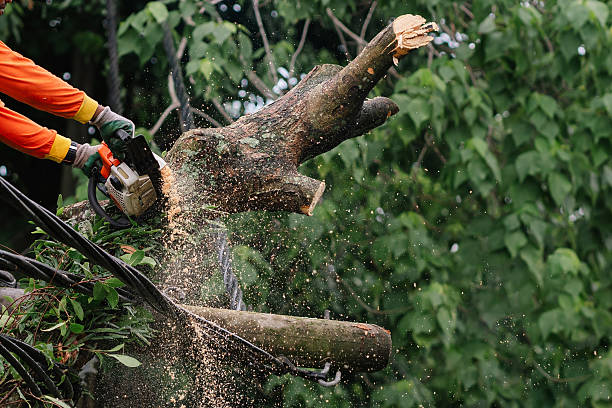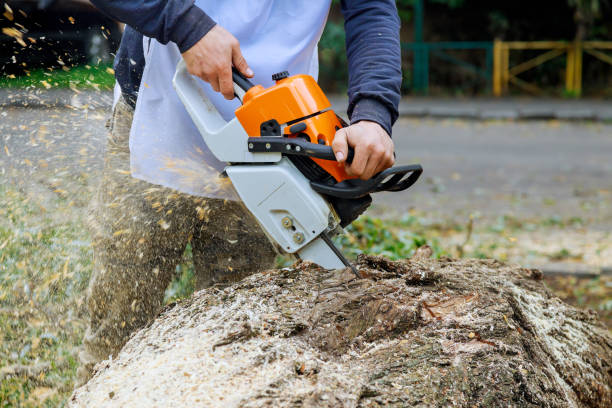
Removing a tree from your property does not always eliminate the work that follows. The remaining stump can interfere with lawn maintenance, limit landscaping options, and create an obstacle in an otherwise usable yard. Hiring a professional stump grinding service can help property owners address these issues without excavating the entire root system.
If you are considering stump grinding in Wichita, KS, it is important to understand how the process works, what affects the cost, and which factors to evaluate before hiring a contractor. The right service should match the stump’s condition, the property’s layout, and your plans for the area after grinding.
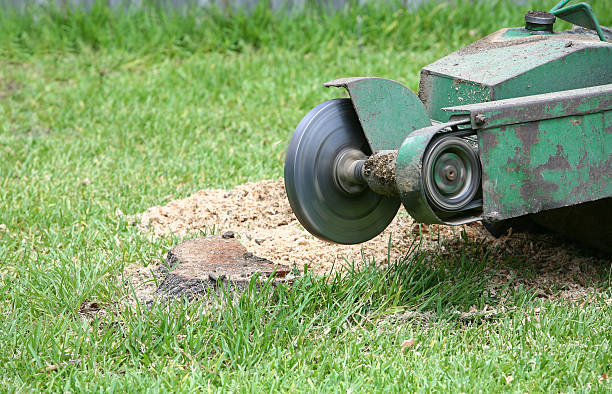
Stump grinding involves specialized equipment that cuts a tree stump into small wood chips, usually below the surrounding ground level. Although this process removes most of the visible stump, it generally leaves the larger roots underground. The finished area may need additional soil, leveling, or reseeding before it is ready for landscaping.
This guide explains what Wichita property owners should know before hiring a stump grinding company, including safety considerations, pricing factors, cleanup arrangements, and questions to ask before approving the work.
What Is Stump Grinding and How Does It Work?
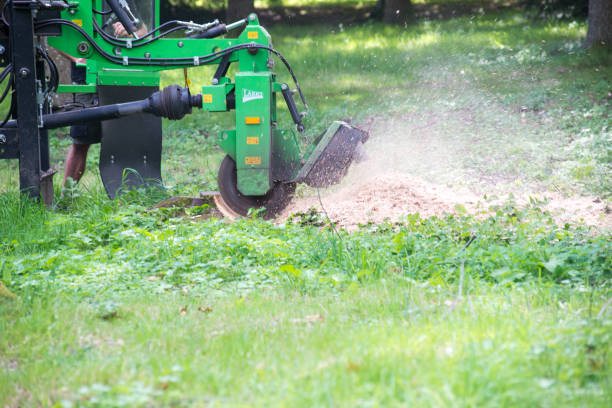
Stump grinding is a method of reducing a tree stump with a machine equipped with a rotating cutting wheel. The operator gradually grinds the wood into chips until the stump reaches the agreed depth.
Unlike complete stump excavation, grinding usually leaves most of the larger root system in the ground. The remaining roots gradually decompose, depending on their size, the tree species, moisture, and soil conditions.
The Stump Grinding Process
A typical stump grinding project involves several steps.
- Site assessment: The contractor examines the stump’s size, condition, location, and accessibility.
- Work area preparation: The surrounding space is checked for obstacles, underground utilities, and nearby structures.
- Equipment setup: The operator positions the grinder and establishes an appropriate safety zone.
- Grinding: The cutting wheel gradually reduces the stump and, where agreed, portions of the surface roots.
- Debris management: The wood chips are collected, removed, or left in a designated area according to the agreement.
- Final assessment: The contractor reviews the work and confirms whether additional filling or cleanup is included.
The time required depends on the stump’s diameter, wood condition, grinding depth, and site access. A small stump in an open yard may require less work than a large stump beside a fence or building.
When Should You Hire a Stump Grinding Service?
Not every tree stump requires immediate attention. However, grinding may be worthwhile when the stump interferes with regular property use or future improvements.
1. The Stump Interferes With Lawn Maintenance
A stump can make mowing and trimming more difficult. Lawn equipment may need to work around it, and grass or weeds can grow around the base.
Grinding the stump below ground level helps remove this obstruction. The area may still need leveling and soil preparation before it can be maintained as part of the lawn.
2. The Stump Creates a Safety Concern
Stumps can become tripping hazards, especially when grass or vegetation hides their edges. They may also obstruct pathways or areas used by children, visitors, or workers.
Grinding can reduce the visible obstruction, but property owners should inspect the finished area for exposed roots, uneven ground, and remaining debris.
3. You Are Planning Landscaping Improvements
A stump may interfere with garden beds, walkways, fencing, or other landscaping projects. Grinding can help make the surface area more usable.
However, the best approach depends on the planned improvement. If you intend to install a foundation or undertake substantial excavation, standard stump grinding may not remove enough of the root system.
4. The Stump Is Old or Decaying
An old stump may gradually break down and attract certain insects or fungi. The extent of the concern depends on the tree species, local conditions, and proximity to buildings or other plants.
Stump grinding reduces exposed wood, but it does not guarantee that all roots, fungi, or insects will disappear. If you suspect a significant pest issue, seek advice from an appropriate tree care or pest management professional.
What to Check Before Hiring a Stump Grinding Company
Choosing a contractor involves more than comparing prices. You should understand the proposed work, how the operator will manage the site, and what services are included in the estimate.
1. Experience and Equipment
Ask whether the contractor has experience grinding stumps of similar size and in similar locations.
A stump in an open lawn presents different access requirements from one located behind a narrow gate or close to a retaining wall. The available space may determine which equipment can be used.
Useful questions include:
- Have you handled stumps of this size?
- Can your equipment access the location?
- How will you manage nearby fences, structures, and landscaping?
- Will the quoted service include any accessible surface roots?
The answers should help you understand whether the proposed approach suits your property.
2. Insurance and Safety Procedures
Stump grinders use powerful cutting equipment that can throw wood chips and debris. Safe operation requires appropriate training, equipment, and precautions.
Before hiring a contractor, request documentation of relevant insurance coverage. Ask about general liability insurance and workers’ compensation coverage where applicable. Verify the documentation if needed, rather than relying solely on verbal assurances.
You should also ask how the operator will establish a safe work area, protect nearby property, and manage access during the job.
3. A Clear Written Estimate
A written estimate helps prevent misunderstandings about the work and final price.
Check whether it identifies the stump, grinding depth, cleanup arrangements, and any additional services. Ask the contractor to explain charges that are unclear before approving the project.
A detailed estimate should address the following:
- The number and approximate size of stumps.
- The intended grinding depth.
- Whether surface roots are included.
- Whether wood chips will be removed.
- Whether soil filling and leveling are included.
- Any additional charges for restricted access or specialized equipment.
- The expected schedule and payment terms.
Comparing written estimates with similar scopes makes it easier to evaluate the overall value of each proposal.
4. Cleanup and Debris Removal
Stump grinding creates wood chips and may leave a depression in the ground. Some contractors collect and haul away the material, while others leave it on the property.
Neither arrangement is automatically unsuitable. The important point is to agree on what will happen before work begins.
Ask whether the estimate includes:
- Collecting or hauling away wood chips.
- Removing excess material from nearby lawn areas.
- Filling the depression with suitable soil.
- Leveling the ground.
- Preparing the area for grass seed or landscaping.
These services may be charged separately, so clarify the total expected cost.
5. Reviews and Communication
Customer feedback can help you understand a contractor’s communication, scheduling, and handling of previous projects. Look for comments about estimate accuracy, cleanup, professionalism, and how concerns were resolved.
Reviews should be considered alongside insurance, experience, and the written scope of work. No single review or rating can guarantee the quality of a future project.
Kansas Tree Experts provides tree care services, including stump grinding. Property owners can visit the Kansas Tree Experts to review available services and inquire about their specific property requirements.
How Much Does Stump Grinding Cost in Wichita, KS?
The cost of stump grinding varies according to the stump and the conditions surrounding it. There is no single price that applies to every property.
Factors That Affect Pricing
Stump diameter: Larger stumps generally require more grinding time and produce more wood chips.
Wood condition: The tree species, wood hardness, and degree of decay can affect how the stump is processed.
Accessibility: Stumps behind fences, near buildings, or in narrow spaces may require different equipment or additional labor.
Grinding depth: The required depth depends on whether the area will be used for a lawn, landscaping, or another project.
Number of stumps: Grinding multiple stumps during one visit may change the overall project price.
Cleanup requirements: Hauling wood chips, filling the resulting depression, and preparing the ground may increase the total cost.
How to Compare Quotes
Use the following table when comparing stump grinding services in Wichita, KS.
| Estimate Factor | What to Check |
|---|---|
| Stump size | How the stump will be measured |
| Grinding depth | How far below ground level the operator will grind |
| Surface roots | Whether accessible roots are included |
| Equipment access | Whether restricted access affects the price |
| Wood chips | Whether they will be removed or left on-site |
| Ground restoration | Whether filling, leveling, and reseeding are included |
| Additional charges | Whether special equipment or extra labor costs apply |
| Schedule | Expected start date and project duration |
A lower quote may cover only the grinding itself, while another may include debris removal and ground preparation. Compare the complete scope rather than choosing based on the initial price alone.
Stump Grinding vs. Complete Stump Removal
Stump grinding and complete stump removal are different approaches. Your choice should depend on how you plan to use the area and how much of the root system must be removed.
| Feature | Stump Grinding | Complete Stump Removal |
|---|---|---|
| Main method | Cuts the stump into wood chips | Excavates the stump and may remove substantial roots |
| Larger roots | Generally remain underground | More of the root system may be removed |
| Ground disturbance | Usually more limited | Usually more extensive |
| Equipment | Stump grinder | May require excavation equipment |
| Lawn preparation | May require soil and leveling work | Usually requires backfilling and restoration |
| Typical purpose | Removing the visible stump and reclaiming surface space | Projects requiring more extensive stump and root removal |
Which Option Should You Choose?
Stump grinding is often suitable when you want to remove the visible stump and restore the surface for ordinary yard use.
Complete removal may be more appropriate when a construction project requires deeper excavation or when the remaining stump and roots interfere with planned work.
Discuss the intended use of the area with the contractor before deciding. Grinding is not a guarantee that all underground wood will be removed.
How to Prepare Your Property Before Stump Grinding
A little preparation can help the project proceed more efficiently.
Identify Underground Utilities
Tell the contractor about known underground irrigation lines, drainage pipes, landscape lighting, and other buried installations.
Arrange the appropriate utility-location process before work begins. Do not assume that public utility markings will identify every private line on your property.
Clear the Work Area
Move outdoor furniture, toys, garden tools, and vehicles away from the stump. Keep children and pets outside the designated work zone.
The operator should establish suitable precautions against flying debris and accidental contact with the equipment.
Discuss Nearby Structures
Let the contractor know if the stump is close to a fence, driveway, retaining wall, building, or other feature. These conditions can influence equipment positioning and the work that can safely be completed.
If the stump is close to a property boundary, confirm that you have permission to authorize the work.
Explain Your Landscaping Plans
Tell the contractor whether you want grass, a garden bed, or another feature in the area. This helps establish the required grinding depth and whether additional soil preparation is needed.
For construction or other projects requiring substantial excavation, confirm whether stump grinding alone will meet the project’s requirements.
What Happens After Stump Grinding?
Once the stump has been ground, the area may need additional work before it is ready for use.
Managing Wood Chips
Grinding produces wood chips that can sometimes be reused as mulch in suitable landscaping areas. However, large amounts of wood chips may not be appropriate as the main material for restoring a lawn.
Ask whether the contractor will remove the chips, leave them on-site, or place them in a designated area.
Filling and Leveling the Ground
The grinding process may leave a depression containing wood chips and soil. Depending on the agreement, the area may need suitable soil added and the surface leveled.
As remaining roots and wood decompose, the soil may settle. Some locations require additional filling or leveling later.
Restoring Grass or Landscaping
If you want grass to grow in the area, prepare the surface with suitable soil and seed appropriate for the site and season.
If you plan to plant another tree, consider the remaining roots, soil condition, drainage, and available space. The best planting location may not be directly over the old stump.
Common Mistakes to Avoid When Hiring a Stump Grinding Service
Before approving the work, watch out for these common mistakes:
- Choosing the cheapest quote without comparing services: Check whether each estimate includes the same grinding depth and cleanup.
- Assuming all roots will disappear: Most larger roots generally remain underground after grinding.
- Ignoring buried utilities: Identify relevant installations before the equipment arrives.
- Forgetting about debris removal: Clarify who will handle the wood chips.
- Failing to discuss the finished surface: Explain whether you want lawn restoration or another use for the area.
- Overlooking insurance: Request appropriate documentation before hiring.
- Attempting unfamiliar equipment operation: Stump grinders can cause serious injuries and property damage when operated improperly.
Clarifying these details in advance can help you avoid unexpected charges and choose a service suited to your property.
Questions to Ask Before Hiring a Stump Grinding Contractor
Use this checklist when discussing your project with a contractor.
- Do you have experience with stumps of this size and in similar locations?
- Can you provide proof of relevant insurance coverage?
- What grinding depth is included?
- Are accessible surface roots included in the quote?
- Will the wood chips be removed?
- Does the price include soil filling and leveling?
- Are there extra charges for restricted access?
- How will nearby structures and underground installations be protected?
- When can the work be completed?
- What should I do to prepare the property?
Kansas Tree Experts offers stump grinding alongside other tree care services, including tree removal and tree trimming. Reviewing the available services and discussing the specific site conditions can help you determine which work is appropriate for your property.
Conclusion
Hiring a stump grinding contractor involves more than removing the visible remains of a tree. Property owners should consider stump size, accessibility, grinding depth, insurance, equipment safety, and the condition in which the area will be left.
Before approving an estimate, clarify whether wood chip removal, soil filling, leveling, and other restoration work are included. Identify underground utilities and explain your plans for the area so the contractor can recommend an appropriate approach.
Kansas Tree Experts provides stump grinding and other tree care services for property owners to consider when maintaining or improving their yards. Visit the Kansas Tree Experts website to review its services and learn more about the available options. Contact us to discuss your stump grinding requirements, ask questions about the process, and request information about the services suitable for your property.
Frequently Asked Questions About Stump Grinding in Wichita, KS
1. What is stump grinding?
Stump grinding uses specialized equipment to cut a tree stump into wood chips, generally below ground level. Most of the larger root system remains underground and decomposes gradually.
2. How much does stump grinding cost in Wichita, KS?
Pricing depends on stump size, wood condition, accessibility, grinding depth, the number of stumps, and cleanup requirements. Request a written estimate based on the actual site conditions.
3. How do I choose a stump grinding company?
Compare relevant experience, insurance coverage, equipment, written estimates, safety precautions, cleanup arrangements, and customer feedback. Make sure the proposed service matches your property’s needs.
4. Is stump grinding better than complete stump removal?
Stump grinding is often suitable when the goal is to remove the visible stump with less excavation. Complete removal may be necessary when a project requires more extensive root removal or deeper ground preparation.
5. How deep should a stump be ground?
The appropriate depth depends on how you intend to use the area. Lawn restoration, landscaping, and construction may have different requirements. Discuss the finished surface with the contractor before work begins.
6. Will grass grow after stump grinding?
Yes, grass can grow in the area after appropriate preparation. Depending on the conditions, you may need to manage wood chips, add suitable soil, level the ground, and reseed.
7. Does stump grinding remove the roots?
No. Stump grinding generally removes the stump and may grind some accessible surface roots, but most larger roots remain underground and decompose over time.
8. Should wood chips be removed after stump grinding?
Not necessarily. Wood chips may be reused as mulch in appropriate areas, but excess material may need to be removed before lawn restoration. Confirm the cleanup arrangements in your estimate.
9. Can I plant a new tree in the same location?
It may be possible, but the remaining roots, soil condition, drainage, and space requirements should be considered. A nearby planting location may be more suitable in some circumstances.
10. Does Kansas Tree Experts provide stump grinding services?
Kansas Tree Experts lists stump grinding among its tree care services, alongside tree removal and tree trimming. Visit kstreeexperts to review the company’s services and inquire about your property.