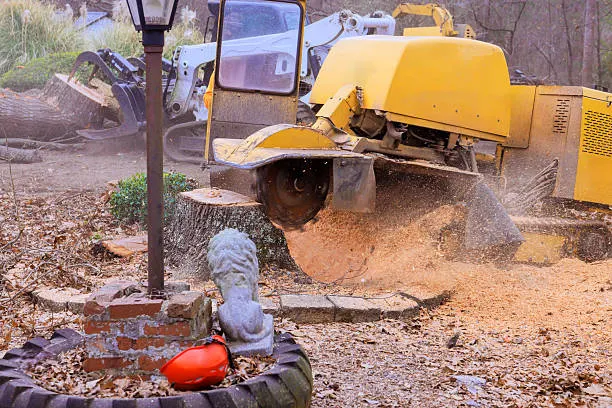
Once a stump has been ground, the next question is usually what to do with the space. The answer depends on what remains, what cleanup was included and whether you want a lawn, a planting bed or another use for the area.
Grinding reduces stump wood, but it does not remove the whole underground root system. A freshly ground site can contain wood chips, soil and remaining woody material. Planning the finish helps avoid treating that mixture as though it were already a prepared lawn or planting site.
Confirm the finish included in your estimate
Before arranging additional work, review the agreed scope. Was the crew scheduled to grind the stump only, haul away chips, supply soil or complete another specific task? Those are separate details that should be clear in a stump-grinding estimate.
If chips remain, ask whether they were intentionally left for your use and what material is still below the surface. If the site needs more soil or further preparation, establish who is responsible for that next step.
A useful handoff answers these questions:
- What was ground, and were any visible surface roots included?
- Which debris was removed and which material remains?
- Is any further ground preparation part of the agreement?
- What should you watch for as the area settles?
This is also the time to explain a change in your plans. Preparing an area for grass involves different considerations from installing a structure or planting another tree.
Decide whether you want to keep the chips
Some homeowners want wood chips for an appropriate mulch use elsewhere in the landscape. Others prefer to have the material removed. Decide based on the actual condition of the material, the intended use and the hauling arrangement available.
The mixture around a ground stump may contain substantial soil as well as chips. It can differ from a clean load of landscape mulch. Do not assume that everything in the pile belongs in a planting bed or that filling a depression with woody debris will produce a lasting finished grade.
If the old tree had a known disease issue or you are unsure how to use the material, seek suitable advice before moving it around other plants. Explain which tree was removed and the intended destination rather than treating every pile the same way.
Prepare for grass with the soil condition in mind
For a lawn, the goal is a suitable planting surface with appropriate soil and drainage. Wood-rich material in that zone can interfere with establishment, and decomposing wood can affect nutrient availability. Iowa State Extension’s guide to planting grass after stump removal explains why debris management and soil preparation matter.
Discuss the amount of remaining woody material and what soil preparation is needed before buying seed or sod. Avoid choosing fertilizer amounts or a fixed soil depth from a generic stump-removal checklist. The site and the planned turf need to guide those decisions.
Once the ground is suitable, use local guidance for the grass species and planting season. A recommendation written for another state may explain soil preparation well while giving seeding dates that do not fit Wichita.
Keep the finished area compatible with the surrounding drainage. If grading near a building or changing drainage is involved, get appropriate project advice before treating it as a simple lawn repair.
Expect to monitor the area for settling
Wood left underground continues to break down. The surface may settle as that happens, even after an area initially looks level. The extent and timing depend on what remains and the conditions at the site.
Monitor the repaired area during ordinary yard maintenance. If a low spot develops, assess the cause and the needed correction before repeatedly covering it with more chips. Ask whether follow-up leveling is included in your original agreement or will be a separate landscaping task.
Keep people away from an open depression or unfinished work area until it has been addressed. A promise that ground will never settle is not a useful substitute for knowing what was removed and what remains.
Choose a replacement-tree location carefully
A ground stump does not automatically create a suitable planting hole for a new tree. Remaining roots, wood debris and soil conditions can affect the space. The reason the previous tree declined may also matter when choosing a replacement.
Iowa State Extension recommends considering a different planting location. Have the location, mature tree size and planting conditions evaluated rather than assuming that grinding makes immediate same-spot planting appropriate.
Before new digging or other ground-disturbing work, follow the current Kansas811 locating process and address private lines separately where needed. Previous markings or work at the site should not be assumed to cover a different project.
Bring future construction plans into the discussion early
If you intend to add paving, footings or a structure, discuss the site with the professional responsible for that project. Grinding removes wood within an agreed footprint and depth; it does not establish that remaining soil and roots meet construction requirements.
The existing grinding-versus-removal guide can help you frame that discussion. The required preparation should follow the proposed use of the space.
Kansas Tree Experts can explain the stump-grinding work proposed for your Wichita property and the cleanup included in the estimate. Request an estimate and share what you want to do with the area afterward so those expectations can be addressed before the job begins.