Removing a tree is an important property maintenance decision that requires careful planning. A dead tree, a damaged trunk, or large branches hanging over a roof can create safety concerns for homeowners and nearby properties. However, not every tree that looks unhealthy needs to be removed. Understanding the tree’s condition and comparing professional services can help you make an informed decision.
If you are considering tree removal in Wichita, KS, it is important to evaluate the tree’s condition, the contractor’s insurance coverage, the removal process, and the work included in the estimate. These factors help you understand what the project involves and how the crew will protect your property.
Wichita property owners may also need to consider wind damage, seasonal storms, mature trees, restricted yard access, and the proximity of trees to buildings or utility lines. Each property presents different challenges, so the removal plan should reflect the actual site conditions.
This guide explains when tree removal may be necessary, what to check before hiring a contractor, how pricing is determined, and what to expect during the process.
When Should You Consider Tree Removal in Wichita, KS?
Tree removal may be appropriate when a tree presents a safety concern, has declined significantly, or interferes with planned property improvements. A professional assessment can help determine whether removal is necessary or whether pruning and other maintenance options may address the problem.
1. The Tree Is Dead or Seriously Declining
Dead trees can lose branches or become unstable as their wood deteriorates. Signs of decline may include extensive dead branches, significant trunk damage, large cavities, or substantial areas of decay.
However, one dead branch or a small area of damaged bark does not automatically mean the entire tree must be removed. A qualified tree professional can assess the extent of the damage and explain the available options.
2. The Tree Has Storm Damage
Strong winds, thunderstorms, and other severe weather can split trunks, break major limbs, or uproot trees. A tree that has suddenly developed a lean or a large crack after a storm deserves prompt attention.
If a tree has fallen onto a building or is blocking access, keep people away from the affected area. Never attempt to cut a storm-damaged tree yourself, especially if branches are under tension or the tree is touching a power line.
3. The Tree May Damage Nearby Structures
Trees growing close to homes, garages, fences, driveways, and other structures may require closer evaluation when their condition creates a risk.
Potential warning signs include large branches extending over a roof, visible root damage, or a trunk that has developed significant structural problems. Roots do not automatically mean a tree must be removed simply because they are near a foundation or driveway. The actual condition and potential impact should be assessed before making a decision.
4. The Tree Interferes With Planned Construction
Home additions, driveway improvements, landscaping, and other property projects may require removing a tree. Before proceeding, determine whether the tree can be preserved through design changes or careful planning.
If removal is necessary, discuss equipment access, underground utilities, nearby structures, and stump removal before the project begins.
What to Check Before Hiring a Tree Removal Company
Choosing a contractor involves more than comparing prices. A suitable provider should understand the hazards involved, explain the work clearly, and establish how the property will be protected.
1. Verify Insurance and Credentials
Before hiring a tree removal company, ask for proof of current insurance and check what the coverage includes. Tree removal can involve falling limbs, heavy equipment, and potential damage to nearby structures.
Consider checking:
- General liability insurance for applicable property damage claims.
- Workers’ compensation coverage where required.
- Any applicable business licenses or local requirements.
- Written confirmation of the contractor’s coverage.
Do not rely only on verbal assurances that a company is insured. Request documentation and verify it with the relevant insurer if necessary.
2. Ask About Experience With Similar Projects
A contractor who regularly handles small ornamental trees may approach a large, mature tree differently from a crew experienced in complex removals.
Ask whether the company has handled projects involving trees of similar size, condition, and location. A tree positioned between a house and a fence may require a controlled removal approach rather than cutting it down in one piece.
For more complex work, ask how the crew plans to manage the tree’s weight, falling limbs, equipment placement, and restricted access.
3. Understand the Safety Procedures
Professional tree removal requires a clear plan for protecting workers, residents, pedestrians, and surrounding property.
Ask the contractor how the crew will:
- Establish a safe work zone.
- Control falling branches and cut sections.
- Protect roofs, fences, landscaping, and nearby structures.
- Handle equipment around narrow driveways or restricted spaces.
- Respond to unexpected hazards during the job.
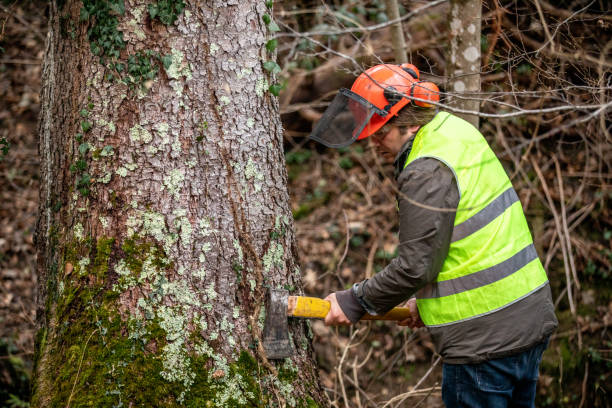
Depending on the tree and site conditions, the crew may use climbing equipment, rigging systems, bucket trucks, or cranes. The appropriate method depends on the specific project.
4. Request a Detailed Written Estimate
A written estimate makes it easier to compare contractors and understand the proposed work. It should describe the tree or trees being removed, the expected scope, the price, and any additional services.
Check whether the estimate includes:
- Tree cutting and removal.
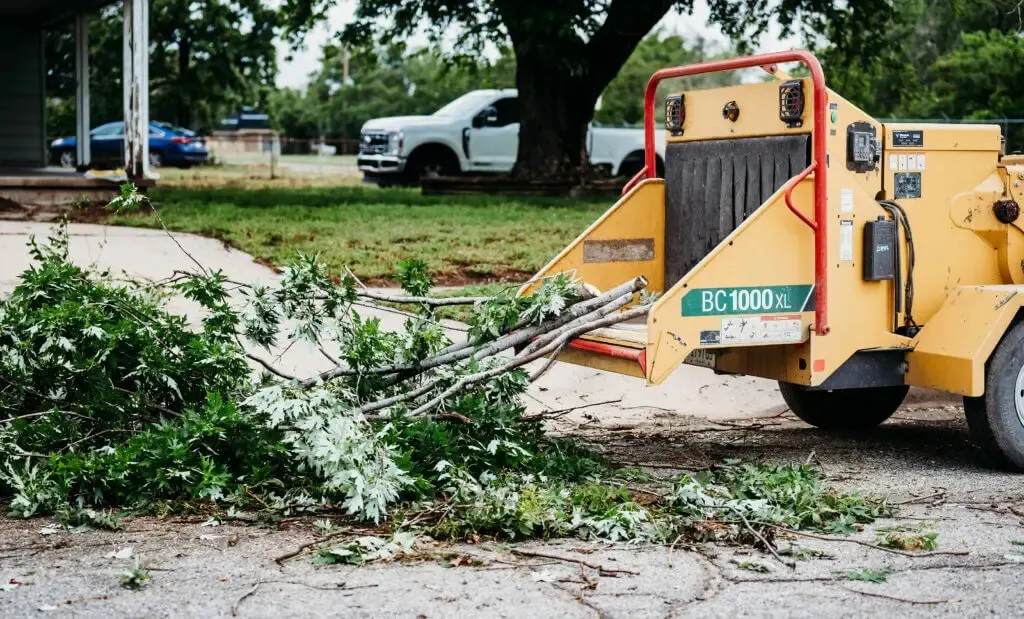
- Branch processing and debris hauling.
- Cleanup of the work area.
- Stump grinding, if requested.
- Additional charges for difficult access or specialized equipment.
- Any exclusions or conditions that could affect the final price.
Ask questions about unclear items before approving the work. A lower quote may not represent better value if it excludes services that another contractor has included.
5. Confirm Cleanup and Debris Removal
Tree removal can leave behind branches, logs, sawdust, and other debris. Some contractors include complete cleanup in their estimates, while others charge separately for hauling or stump grinding.
Confirm how the site will be left when the work is finished. If you want to keep firewood or wood chips, discuss that arrangement in advance.
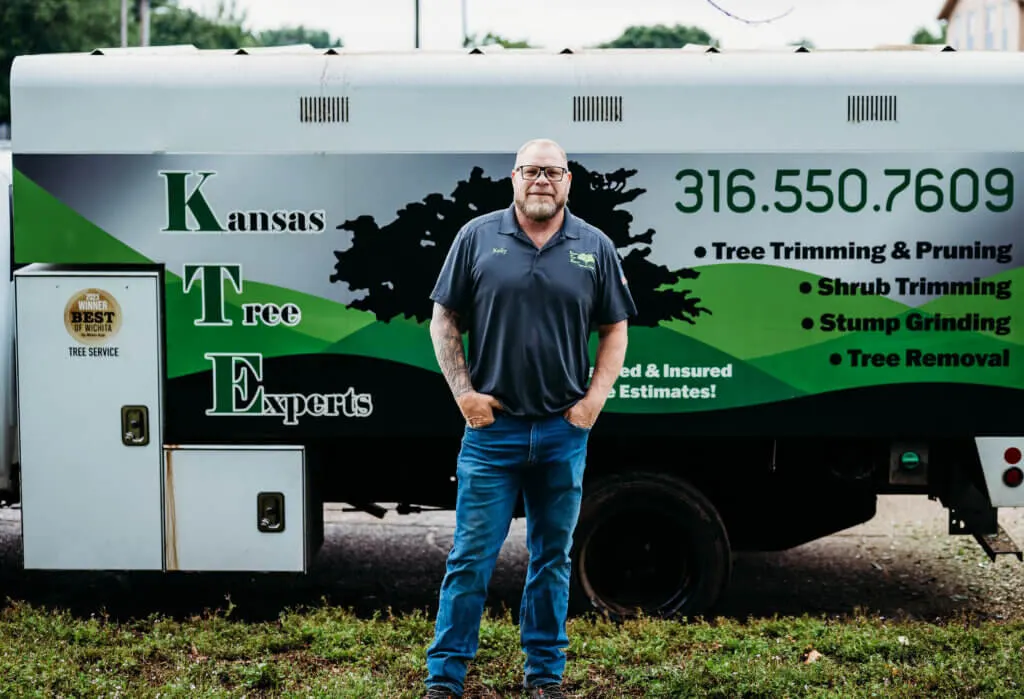
Kansas Tree Experts provides tree removal, tree trimming, stump grinding, and other tree care services in Wichita and surrounding communities. Property owners can review its tree removal services in Wichita to understand the company’s service offerings.
Questions to Ask Before Hiring a Tree Removal Service
Before selecting a contractor, ask questions that clarify the work, price, schedule, and responsibilities.
| Question | Why It Matters |
|---|---|
| Are you insured for this type of work? | Helps establish whether appropriate coverage is in place. |
| Have you removed similar trees? | Provides insight into relevant project experience. |
| How will you protect nearby structures? | Clarifies the proposed safety and removal approach. |
| Is stump grinding included? | Prevents confusion about additional services. |
| Will you haul away the debris? | Establishes cleanup responsibilities. |
| Is the estimate fixed or subject to changes? | Helps identify possible additional charges. |
| When can the work begin? | Sets expectations for scheduling. |
| Are permits or permissions required? | Helps identify potential local or property-related requirements. |
Written answers are especially useful when comparing several estimates. Make sure each contractor is quoting the same work so you can evaluate the proposals fairly.
How Much Does Tree Removal Cost in Wichita, KS?
The cost of tree removal varies according to the tree, the site, the equipment required, and the services included. There is no single price that applies to every property in Wichita.
Factors That Affect Tree Removal Pricing
Tree size and height: Larger trees generally require more labor, equipment, and time to remove safely.
Tree condition: Dead, split, or storm-damaged trees may require additional precautions because their structure can be unpredictable.
Location and accessibility: A tree in an open yard may be easier to remove than one surrounded by buildings, fences, gardens, or overhead obstacles.
Equipment requirements: Some projects may need specialized rigging, a bucket truck, or a crane. Equipment requirements can affect the total estimate.
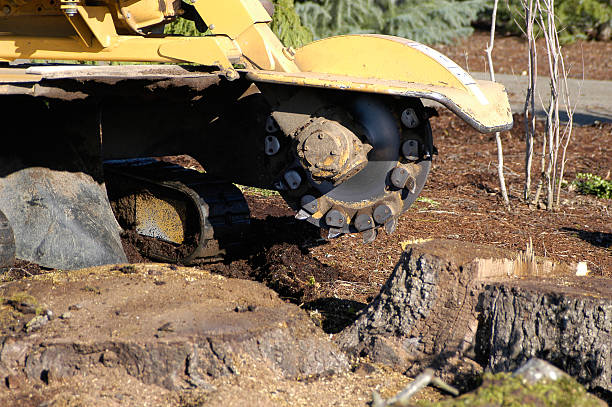
Stump grinding: Removing the visible tree does not necessarily include grinding the remaining stump. Confirm whether this service is included.
Debris disposal: Hauling logs, branches, and other material away can affect the final cost.
How to Compare Estimates
When reviewing estimates for tree removal services in Wichita, KS, compare the total project scope rather than focusing only on the quoted price.
For example, one contractor may include stump grinding and debris removal, while another may quote only the removal of the tree above ground. The second estimate could appear less expensive but may not cover everything you need.
Request an on-site assessment for large or potentially hazardous trees. Photographs can help explain the situation, but they may not reveal all structural problems or access limitations.
Tree Removal vs. Tree Trimming: Which Service Do You Need?
Tree removal and tree trimming address different needs. Understanding the difference can help you avoid removing a tree when a less extensive service may be appropriate.
| Service | What It Involves | When It May Be Appropriate |
|---|---|---|
| Tree removal | Removing a tree from the property | When the tree is hazardous, dead, severely damaged, or must be cleared for a project |
| Tree trimming | Cutting selected branches | When branches are dead, obstructive, or require maintenance |
| Structural pruning | Selective cuts to improve branch structure | When appropriate pruning can address certain growth or structural concerns |
| Stump grinding | Grinding the remaining stump below ground level | When the stump creates an obstacle or the area needs to be reused |
A healthy tree with a few overhanging branches may only need trimming. A tree with severe structural damage may require removal.
The decision should consider the tree’s health, stability, location, and the risks it presents. If the tree is valuable to the landscape, ask whether preservation is a realistic option before authorizing removal.
Local Considerations for Tree Removal in Wichita
Tree removal in Wichita requires attention to property layout, weather exposure, and the surrounding environment.
Storms and Wind Exposure
Severe weather can damage branches and weaken trees. After a storm, inspect your property from a safe distance for broken limbs, split trunks, exposed roots, or sudden changes in the tree’s position.
Avoid standing beneath damaged branches. If a tree or branch is in contact with a power line, stay away and contact the utility company. Do not attempt to move the branch or cut the tree.
Property Boundaries and Utility Lines
If a tree stands near a property boundary, confirm who owns it and who has authority to approve the work. Shared driveways, rental properties, and commercial sites may require additional coordination.
Before digging or grinding a stump, identify underground utility concerns and arrange the appropriate utility-location process. Overhead electrical lines also require special precautions during tree work.
Permits and Local Requirements
Requirements can depend on the tree’s location, ownership, and whether it is on private property or within a public right-of-way. If the tree is near a street, sidewalk, public space, or utility corridor, check with the relevant local authority before proceeding.
Do not assume that every tree on private property requires a permit, or that no approval is ever necessary. Confirm the requirements for the specific location and project.
What to Expect During the Tree Removal Process
Understanding the typical process can help you prepare your property and coordinate with the contractor.
Step 1: Site Assessment
The contractor evaluates the tree’s size, condition, position, and proximity to structures. The assessment also considers access for workers and equipment.
Step 2: Estimate and Work Plan
The contractor explains the proposed removal method, pricing, cleanup, and expected schedule. Any stump work or additional services should be clarified before approval.
Step 3: Preparing the Work Area
Move vehicles, outdoor furniture, and other movable items away from the work zone. Keep children and pets away from the area, and follow the crew’s instructions about safe access.
The contractor should establish an appropriate exclusion zone around the work.
Step 4: Controlled Removal
The crew removes the tree using a method suited to its size and location. Depending on the circumstances, the tree may be dismantled in sections rather than felled in one piece.
The removal method should account for falling material, equipment placement, and nearby property.
Step 5: Cleanup and Final Inspection
After removal, the crew handles the debris included in the agreed scope. If stump grinding is part of the project, it may be completed as part of the same visit or scheduled separately.
Before the crew leaves, review the completed work and confirm that the agreed cleanup and other services have been addressed.
Common Mistakes to Avoid When Hiring a Tree Removal Company
Several avoidable mistakes can lead to unexpected costs or unnecessary risks.
- Choosing the lowest estimate automatically: Check what each quote includes and whether the contractor has appropriate coverage.
- Ignoring insurance documentation: Verify current coverage rather than relying solely on verbal claims.
- Overlooking stump removal: Ask whether the stump will remain and whether grinding is included.
- Failing to discuss cleanup: Confirm who is responsible for hauling branches and logs.
- Hiring without a clear work plan: Understand how the crew will manage the tree and protect nearby structures.
- Attempting hazardous DIY removal: Large trees, unstable trunks, overhead branches, and storm-damaged trees can create serious risks.
- Ignoring local requirements: Confirm applicable permits, ownership, and utility considerations before work begins.
Taking time to clarify these details before the project starts can reduce misunderstandings and make the process easier to manage.
How to Evaluate a Tree Removal Provider
A reliable hiring decision should be based on verifiable information rather than advertising claims alone.
Use the following checklist before approving a project:
- The contractor has provided appropriate insurance documentation.
- The company has experience with similar removal projects.
- The estimate identifies the tree and the work to be completed.
- Equipment and safety procedures have been discussed.
- Stump grinding and debris removal are clearly addressed.
- Pricing, payment terms, and possible additional charges are understood.
- Scheduling and site access have been confirmed.
- Relevant permits, utility concerns, and property permissions have been considered.
Kansas Tree Experts offers tree removal, trimming, stump grinding, emergency tree services, and commercial tree care. Wichita property owners can explore the company’s website to review its services and request further information about a specific project.
Conclusion
Hiring the right contractor for tree removal in Wichita, KS, starts with understanding the tree’s condition and the work required. Insurance, safety procedures, relevant experience, written estimates, and clear cleanup arrangements should all be part of your decision.
Before approving a quote, confirm whether stump grinding and debris removal are included, discuss potential site challenges, and check any applicable local requirements. These steps help you compare providers fairly and understand what to expect throughout the project.
Kansas Tree Experts offers tree removal and related tree care services for properties in Wichita and nearby communities. If you have a damaged tree, a tree that may pose a safety concern, or a planned property improvement that requires removal, visit the Kansas Tree Experts to learn more about available services. Contact us to discuss your property, ask questions about the removal process, and request an estimate for your tree care needs.
Frequently Asked Questions About Tree Removal in Wichita, KS
1. When should a tree be removed in Wichita, KS?
A tree may need removal when it is dead, severely damaged, structurally unstable, or creating an unacceptable safety risk. Construction plans can also make removal necessary. A professional assessment can help determine whether removal or another treatment is appropriate.
2. How much does tree removal cost in Wichita, KS?
The price depends on the tree’s height, trunk size, condition, location, equipment requirements, and cleanup needs. Stump grinding and debris hauling may be additional services. Request a written estimate based on the actual property conditions.
3. Do I need a permit to remove a tree in Wichita?
Permit requirements depend on the tree’s location, ownership, and applicable local rules. Trees on private property may be treated differently from trees in public rights-of-way. Check with the relevant local authority before scheduling removal if approval may be required.
4. Should I remove a tree after storm damage?
Not every storm-damaged tree needs to be removed. Some can recover with appropriate pruning, while others may have serious structural damage. Keep away from unstable trees and hanging branches, and arrange a professional assessment. Never approach a tree touching a power line.
5. Does tree removal include stump grinding?
Not always. Some estimates include stump grinding, while others treat it as a separate service. Ask the contractor to specify whether the stump will remain and what finish is included after grinding.
6. How long does tree removal take?
A small, accessible tree may be removed in a few hours, while a large tree near buildings or other obstacles may take substantially longer. Weather, tree condition, equipment needs, and site access can affect the schedule.
7. Can a tree be trimmed instead of removed?
Yes, when the tree is sufficiently healthy and the identified problem can be addressed through appropriate pruning. Trimming is not a suitable substitute for removal in every case, particularly when a tree presents a serious structural hazard.
8. How do I choose a tree removal company in Wichita?
Compare insurance coverage, relevant experience, safety procedures, written estimates, cleanup arrangements, and customer feedback. Confirm that the proposed work addresses your specific tree and property conditions.
9. What should I do before a tree removal crew arrives?
Move vehicles and outdoor belongings away from the work area, arrange access, keep children and pets clear, and identify any utility or property-boundary concerns. Follow the contractor’s instructions and avoid entering the designated work zone.
10. Does Kansas Tree Experts provide services beyond tree removal?
Yes. Kansas Tree Experts lists tree trimming, stump grinding, shrub shaping, emergency tree services, and commercial tree care among its services. Visit the company’s website to review the available options and confirm which services are suitable for your property.