Contents hide
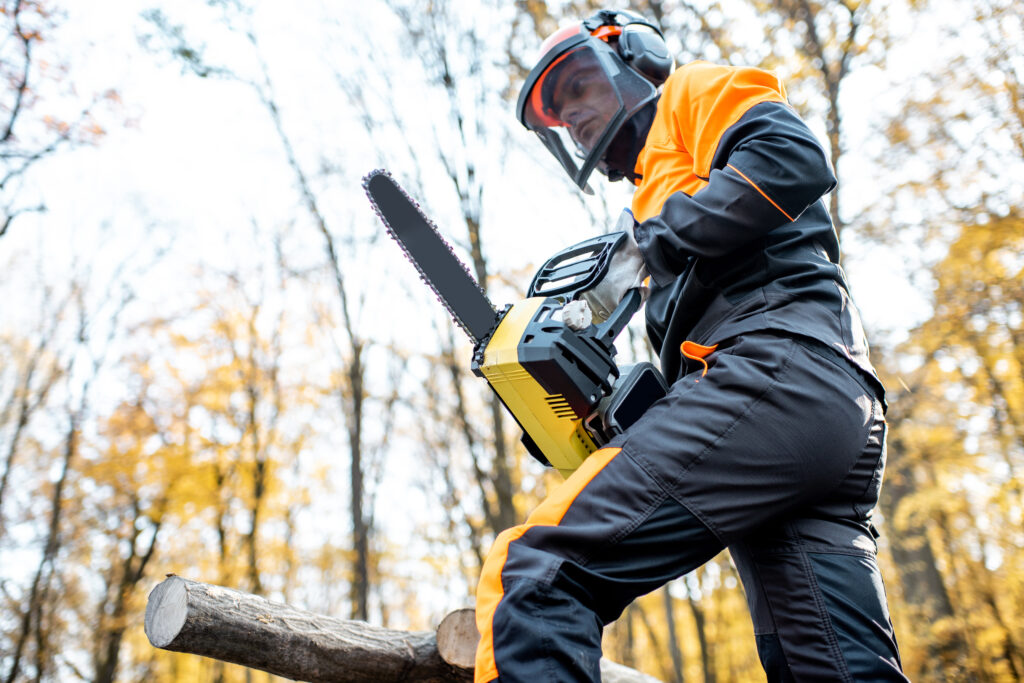
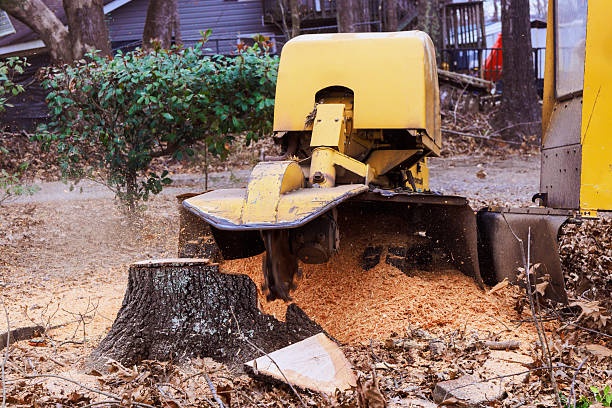
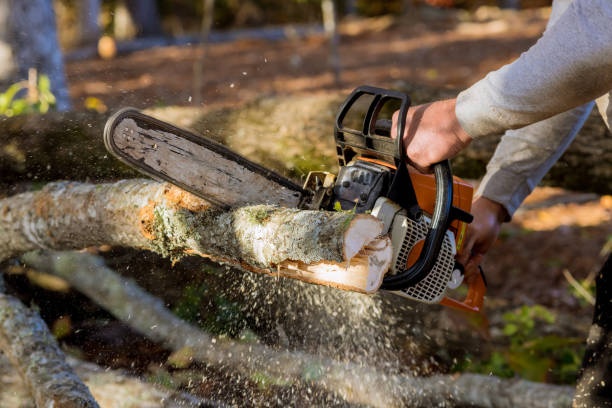
When a tree is turned into lumber, every cut has a name and purpose. The first cut off a log is known as the slab cut. It’s the outer portion of the log that still holds the tree’s bark and rounded surface. While this piece isn’t typically used for finished boards, it marks the beginning of how a raw trunk becomes usable wood. At Kansas Tree Experts, we often explain these steps to clients curious about what happens after tree removal.
The first slice a sawyer makes when milling a log is called the slab cut. This outer layer removes bark and exposes the interior wood grain. It’s an essential first step before the log can be squared into a cant (a rectangular section ready for boards). According to the U.S. Forest Service, accurate slab cuts improve yield and help maintain straight, consistent lumber dimensions.
The first cut determines how efficiently a log can be processed. If the slab cut is uneven, the rest of the boards may warp or come out misshapen. For this reason, sawyers take time to position the log correctly before cutting. In professional mills, laser-guided saws help achieve precise alignment that minimizes waste and maximizes usable timber.
Once a tree has been felled and transported, the milling process generally follows these steps:
Although tree trimming and commercial tree services don’t include milling, Kansas Tree Experts ensures that wood from removals is handled responsibly and recycled whenever possible.
Because the first cut exposes uneven edges, slab wood often becomes firewood, mulch, or decorative material. Some craftspeople use slab cuts to create live-edge furniture, taking advantage of the natural bark line. Repurposing this material reduces waste and adds rustic character to woodworking projects.
In Wichita, sustainability plays a growing role in the tree care industry. After storm cleanup or emergency tree services, much of the wood Kansas Tree Experts removes is milled, chipped, or donated for reuse. By ensuring every piece, from slab to stump, serves a purpose, we help minimize waste and protect our city’s green resources.
A slab cut removes the outer bark and rounds, while a cant is a squared log prepared for cutting into boards.
Yes. Many woodworkers repurpose slabs for live-edge furniture or rustic décor. Proper drying prevents cracking or insect damage.
We primarily handle safe tree removal and disposal, but we partner with local mills and recycling facilities for sustainable wood repurposing.
If you’re curious about what happens to trees after they’re removed, or what the first cut off a log means, reach out to Kansas Tree Experts. We provide full-service removals with responsible recycling. Call (316) 550-7609 or reach out through our contact form.
Disclaimer: This article is for educational purposes. Milling and lumber processes vary by species and region. Always consult professionals for detailed information on wood processing or recycling.

We provide complete, hassle-free care to keep your trees healthy, safe, and looking their best all year.