Contents
hide
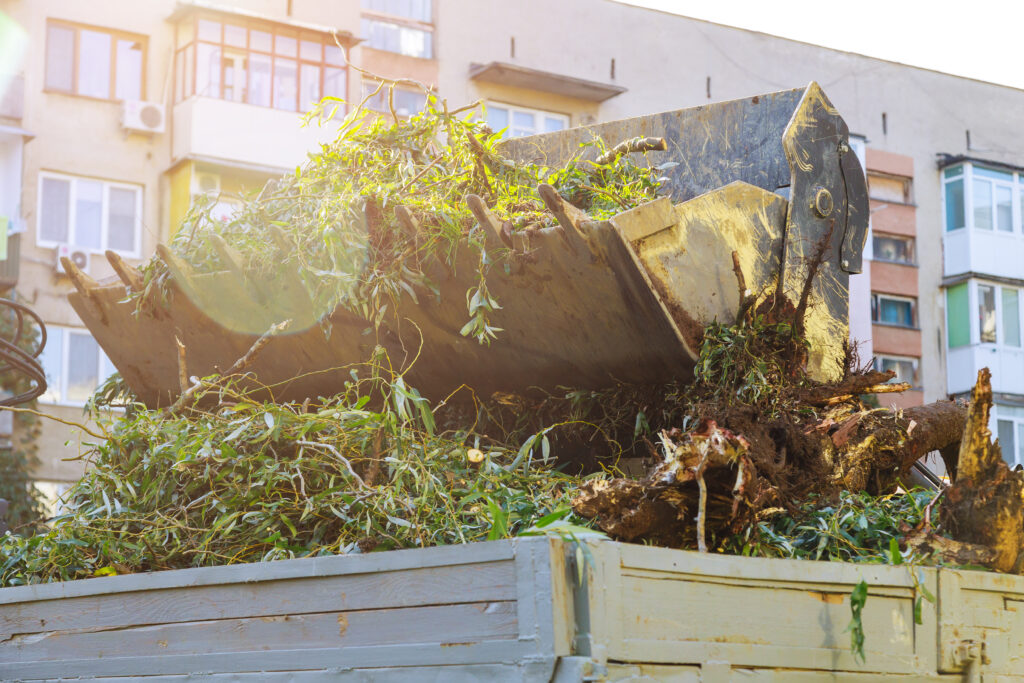
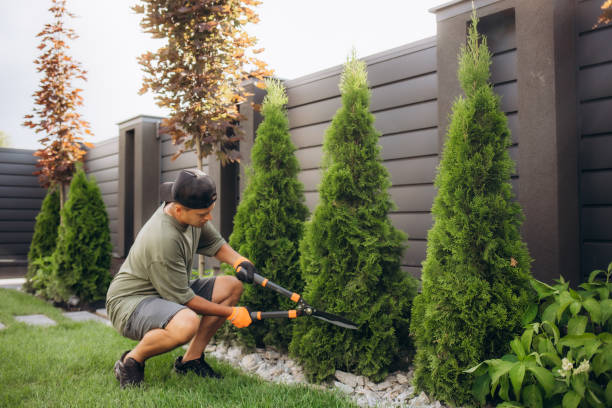
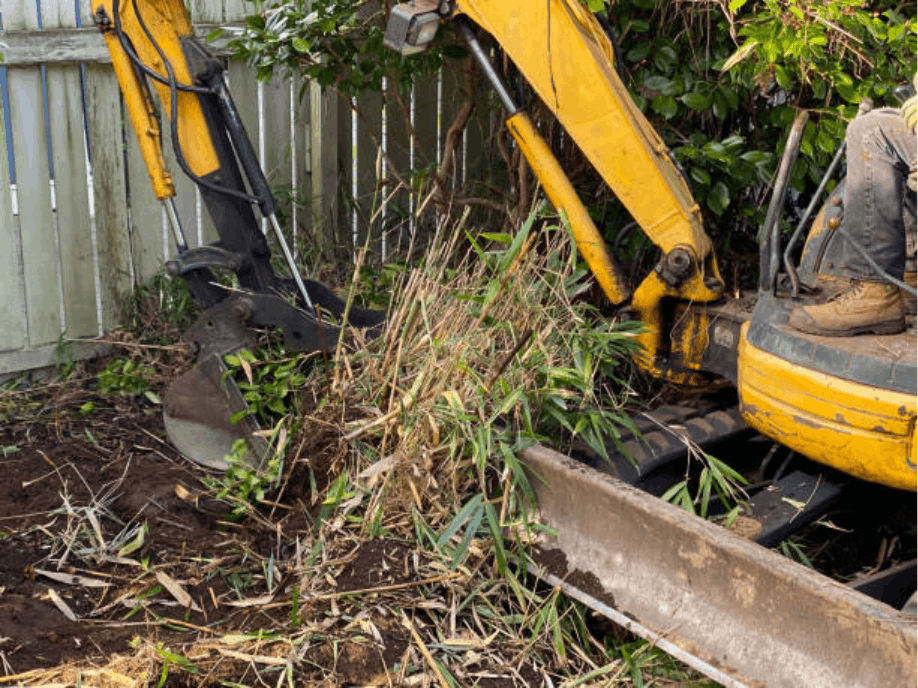
People could ask, “What is a tree called after being cut down?” Once a tree is cut, it’s usually referred to as a log or timber. The remaining base is called the stump. Depending on what happens next, the wood may be used for firewood, furniture, or construction materials. At Kansas Tree Experts, we ensure every tree removal is performed safely and that materials are handled responsibly.
Once a tree has been cut down, it’s typically called one of the following…
According to the U.S. Forest Service, these distinctions are important for forestry, lumber production, and environmental management.
Though often used interchangeably, these terms have specific meanings…
In the tree service industry, arborists use “log” or “timber” to describe material handled during commercial tree services or removals.
After a tree is cut down, its parts are often repurposed…
At Kansas Tree Experts, we recycle as much wood as possible to support sustainability while maintaining property safety and aesthetics.
Experience – Our Wichita-based crews have safely cut and processed thousands of trees over the years, managing everything from residential removals to large commercial land clearings.
Expertise – We follow ANSI safety standards for tree trimming and cutting. Every team member is trained to handle heavy equipment and identify potential hazards before cutting begins.
Authoritativeness – Recognized as trusted professionals in Wichita, Kansas Tree Experts provides dependable service with attention to safety, cleanup, and long-term property care.
Trustworthiness – As a fully insured and locally owned business, we operate with integrity, transparency, and respect for every client’s property and trees.
In Wichita, most trees cut down for safety or property improvements become logs or firewood. Severe weather, age, or disease often makes removal necessary. That’s when emergency tree services ensure safe, timely clearing while preserving nearby healthy trees.
Yes. Logs are unprocessed tree trunks, while timber refers to wood prepared for use in construction or carpentry.
The stump remains attached to the root system. It can be left to decay naturally or removed through professional stump grinding for a smooth finish.
Absolutely. Many homeowners choose to reuse wood as firewood, mulch, or decorative landscape material.
So, what is a tree called after being cut down? It’s most often referred to as a log, stump, or timber depending on its stage and use. For safe, sustainable tree removal in Wichita, call (316) 550-7609 or reach out through our contact form. Our office is at 2117 S Custer Ave, Wichita, KS 67213.
Disclaimer – This article is for informational purposes only. Tree terminology and usage may vary by region and industry. Always consult certified professionals for removal and recycling best practices.
We provide complete, hassle-free care to keep your trees healthy, safe, and looking their best all year.