
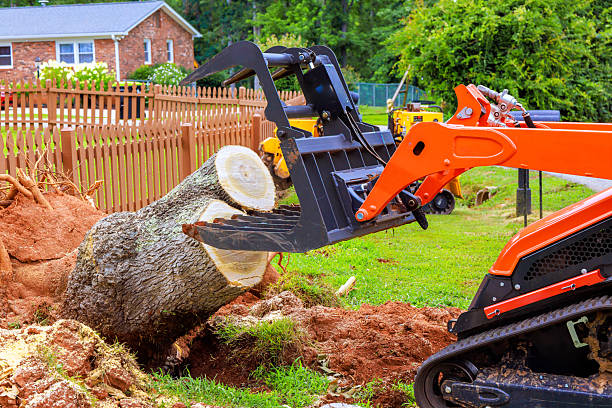
Removing a tree from a property does not always eliminate every part of the tree. In many cases, the trunk is cut down while the stump remains in the ground. Although a stump may initially seem like a minor issue, it can interfere with lawn maintenance, landscaping, construction projects, and the overall use of a property.
For homeowners and property managers researching tree stump removal Wichita KS, understanding the available methods, potential costs, and appropriate timing can help with planning. The best approach depends on factors such as stump size, tree species, location, root structure, accessibility, and what the property owner intends to do with the area afterward.
Stump removal and stump grinding are also different services. One may involve removing much of the stump and its major roots, while the other focuses on grinding the visible stump below the surrounding soil level.
What Is Tree Stump Removal?
Tree stump removal is the process of eliminating a remaining tree stump after a tree has been cut down or removed.
A stump is connected to the tree’s root system, which can extend through the surrounding soil. The size and spread of those roots vary depending on the species, age, growing conditions, and size of the original tree.
Complete stump removal can involve:
- Exposing the stump and larger roots
- Cutting or separating major roots
- Removing the main stump
- Extracting larger sections of root material
- Removing or managing resulting debris
- Filling and leveling the remaining hole
The exact process depends on the property and the intended use of the area.
In some cases, complete extraction may not be necessary. Stump grinding Wichita KS is another option that reduces the stump below ground level while leaving much of the underground root system in place.
Why Remove a Tree Stump in Wichita KS?
Property owners may choose to remove a stump for several practical reasons. The decision is not always based on appearance.
1. Improve Lawn Maintenance
A stump can make mowing and trimming around the property more difficult. If the stump is hidden by grass or vegetation, it may also be difficult to see while using lawn equipment.
Grinding or removing the stump can make the surrounding area easier to maintain.
2. Reduce Trip Hazards
An exposed stump can become an obstacle in areas where people regularly walk. Children, visitors, tenants, or employees may not notice a low stump, particularly when vegetation grows around it.
Removing an obstruction can make the area easier to navigate.
3. Create More Landscaping Space
A stump can prevent property owners from using a particular section of the yard.
Once the stump has been addressed, the area may potentially be used for:
- Grass
- Mulch
- Flower beds
- Shrubs
- Garden areas
- New landscaping
- Hardscaping projects
The appropriate preparation depends on the planned use.
4. Prevent Interference With Construction
A stump can become an obstacle when installing structures, fences, patios, walkways, or other improvements.
If construction is planned near a stump, property owners should determine how much of the stump and root system needs to be removed before the project begins.
5. Address Decaying Wood
A stump left in the ground will eventually decay. As the wood breaks down, it can become part of the surrounding soil.
Decaying stumps can also provide habitat for insects and fungi. This does not mean every old stump creates a pest problem, but the condition of the stump is worth considering when deciding whether to leave it in place.
What Are the Main Tree Stump Removal Methods?
There are several ways to deal with a tree stump. The most appropriate method depends on the size of the stump, its location, and the property’s future plans.
Manual Stump Removal
Manual removal involves digging around the stump and exposing the major roots. Roots are then cut, and the stump can be loosened and removed.
This method may be practical for smaller stumps, but large stumps can require substantial physical effort.
The process can also disturb a relatively large area of soil because the stump and surrounding roots need to be exposed.
Mechanical Stump Removal
Larger stumps may require specialized mechanical equipment. Equipment can help break up or extract the stump and larger root sections.
Mechanical removal may be appropriate when the property owner needs the stump and significant portions of the root structure removed.
However, access is an important consideration. Equipment needs sufficient room to reach the stump without unnecessarily affecting nearby structures or landscaping.
Stump Grinding
Stump grinding uses a specialized grinder to reduce the stump into wood chips. The machine cuts through the visible stump until it is below the surrounding ground level.
The resulting material can then be managed as part of the site restoration process.
Stump grinding is often considered when the property owner primarily wants to eliminate the visible obstruction rather than excavate the entire root system.
Chemical Stump Decomposition
Chemical products are sometimes marketed as a way to accelerate stump decomposition. This approach generally takes considerably longer than mechanical methods.
It may not be suitable when the property owner needs the area cleared quickly for landscaping or construction.
Before using any chemical treatment, property owners should carefully follow the product instructions and consider whether it is appropriate for the specific location.
Stump Removal vs. Stump Grinding
One of the most important decisions is determining whether complete removal or grinding is more appropriate.
| Consideration | Stump Removal | Stump Grinding |
|---|---|---|
| Main purpose | Extract the stump and larger roots | Reduce the stump below ground level |
| Root system | More extensive root removal | Most underground roots remain |
| Soil disturbance | Usually greater | Usually more limited |
| Equipment | Excavation or mechanical equipment | Stump grinder |
| Site restoration | Larger area may require filling | Area can generally be leveled after grinding |
| Landscaping | Useful where deeper clearing is needed | Suitable for many lawn and landscape projects |
| Construction | May be preferred where roots interfere with work | May not address deeper root conflicts |
| Time and labor | Can require more work | Often more localized |
The best choice depends on what needs to happen with the property after the stump work.
If the area will simply become part of a lawn, grinding may be sufficient. If the location will be excavated for construction, more extensive removal may need to be considered.
What Does Tree Stump Removal Cost in Wichita KS?

The cost of tree stump removal Wichita KS can vary significantly from one property to another. There is no single price that applies to every stump.
Several factors can influence the final cost, including the size and number of stumps, accessibility, tree species, root structure, soil conditions, and the selected removal method.
A small stump in an open section of a yard may require considerably less work than a large stump located between a building and fence.
Property owners should request a site-specific estimate when they need an accurate cost.
Factors That Affect Stump Removal Cost
Stump Size
Diameter is one of the most important considerations. Larger stumps generally require more cutting, grinding, excavation, or equipment time.
Number of Stumps
Removing several stumps during the same visit can involve more labor and equipment time than addressing a single stump.
Location
A stump located in an open yard is generally easier to access than one positioned close to a building, fence, driveway, retaining wall, or other obstacle.
Accessibility
Equipment needs enough space to reach the stump. Narrow gates, landscaping features, slopes, and other site restrictions can affect how the work is performed.
Root Structure
Some trees develop extensive root systems. If complete extraction is required, larger or more developed roots can increase the amount of work involved.
Cleanup
The amount of wood chips, soil, and other debris produced can vary. Property owners should ask whether cleanup and site leveling are included in the estimate.
Required Grinding Depth
The required depth can depend on what will happen to the property afterward. A basic lawn restoration project may have different requirements than a construction project.
What Is the Best Time for Stump Removal in Wichita?
Stump work can be planned during different times of the year. There is not necessarily one season when every stump should be removed.
The best timing depends on the property’s condition and the owner’s plans.
Spring
Spring can be useful for property improvement and landscaping projects. However, wet soil can sometimes affect equipment access and ground conditions.
Summer
Summer provides an opportunity to complete outdoor property projects, although heat and dry conditions can influence working conditions.
Fall
Fall can be a practical period for removing obstacles before winter and preparing a yard for future landscaping work.
Winter
Depending on weather and ground conditions, stump work may also be possible during winter. Frozen ground and weather conditions can affect scheduling and equipment operation.
The most important consideration is often the property’s immediate needs rather than choosing a season based solely on the calendar.
For example, a stump that interferes with an upcoming construction project should be addressed before construction begins.
How Should You Prepare Your Property for Stump Removal?
A little preparation can help make stump work more straightforward.
Clear Objects From the Work Area
Move outdoor furniture, toys, decorations, tools, and other movable items away from the stump.
Identify Nearby Structures
Point out fences, irrigation systems, retaining walls, landscaping features, and other structures near the stump.
Consider Underground Utilities
Before digging or using equipment, potential underground utility locations should be identified. Utility considerations are particularly important when complete stump excavation is planned.
Decide What You Will Do With the Area
Knowing whether the area will become lawn, garden space, mulch, or a construction site can help determine how deeply the stump should be addressed.
What Happens After a Stump Is Removed?
The area will usually need some level of restoration after the stump is removed or ground.
Filling the Hole
Complete stump extraction can leave a noticeable hole. The area may need to be filled with appropriate material and brought back toward the surrounding grade.
Managing Wood Chips
Grinding produces wood chips. These can potentially be removed, redistributed, or used as mulch depending on their condition and the property’s needs.
Regrading the Area
The surrounding ground may need to be leveled to create a smooth transition with the existing lawn or landscape.
Replanting
If the property owner wants to plant a new tree in the same general area, the condition of the soil and remaining roots should be considered first. In some cases, choosing a different planting location may be more appropriate.
DIY Stump Removal vs. Professional Service
Some small stumps can appear suitable for DIY removal, but the actual work can be more demanding than expected.
Manual removal requires digging around the stump and cutting through roots. Larger stumps may require equipment that most homeowners do not have.
There are also potential risks associated with digging near underground utilities, structures, irrigation lines, and other property features.
Professional equipment can make larger stump projects more manageable, but property owners should still verify the company’s experience, insurance, equipment, and scope of work before scheduling service.
How to Choose a Stump Removal Service in Wichita
When comparing companies for tree stump removal Wichita KS, consider the following questions.
Does the company offer the method you need?
Ask whether the company provides stump grinding, complete stump removal, or both.
What is included in the estimate?
A quote should clearly explain the expected work. Ask about grinding depth, debris removal, cleanup, and site preparation.
How will nearby property be protected?
Discuss access routes and nearby structures before work begins.
Does the company have appropriate insurance?
Tree and stump work involves equipment and property-specific risks. Confirming insurance coverage can help property owners understand the company’s responsibilities.
Does the company provide local tree services?
A local company may be familiar with the types of properties, trees, and site conditions found around Wichita.
Kansas Tree Experts and Stump Services
Kansas Tree Experts provides tree-care services in Wichita and lists stump grinding among its services. Its broader service offerings include tree removal, tree trimming, commercial tree services, emergency tree services, and land and bush clearance.
For property owners researching their options, Kansas Tree Experts provides information about stump grinding and other tree-care services that may be relevant to maintaining a Wichita property.
Before scheduling work, property owners should determine whether their project requires grinding, complete removal, or another approach based on the intended use of the area.
Conclusion
Understanding the available methods, costs, and timing can help Wichita property owners make a more informed decision about tree stump removal Wichita KS. Stump grinding may be appropriate when the main goal is to remove the visible obstruction, while complete removal may be necessary when deeper excavation or more extensive root removal is required.
Before scheduling work, consider the stump’s size, location, accessibility, condition, and the property’s future use. These factors can influence both the recommended method and the overall project requirements.
Kansas Tree Experts provides stump grinding and other tree-care services in the Wichita area. Property owners can review the company’s services and contact us through Kansas Tree Experts to discuss their specific tree and stump needs.
Frequently Asked Questions
How much does tree stump removal cost in Wichita KS?
The cost depends on factors such as stump size, location, accessibility, number of stumps, root structure, removal method, and cleanup requirements. A property-specific estimate provides a more accurate figure.
What is the difference between stump removal and stump grinding?
Stump removal generally involves extracting the stump and potentially larger roots from the soil. Stump grinding reduces the stump below ground level while leaving most of the underground root system in place.
How long does stump removal take?
The time required depends on stump size, quantity, accessibility, equipment, and the selected method. A small accessible stump may require much less time than a large stump with extensive roots.
Can I leave a tree stump in my yard?
Yes, a property owner can choose to leave a stump in place if it does not interfere with property use. However, the stump may decay over time, occupy landscaping space, interfere with mowing, or become an obstacle.
Is stump grinding better than complete stump removal?
Neither method is universally better. Grinding can be appropriate when the goal is to eliminate the visible stump and restore the surface. Complete removal may be preferable when deeper excavation or more extensive root removal is required.
Can a stump grow back after grinding?
Some tree species can produce shoots from remaining roots. Grinding removes the primary visible stump, but it does not normally remove the entire underground root system.
When should I remove a stump before landscaping?
Ideally, stump work should be completed before installing new landscaping in the same area. The required method depends on whether you are installing grass, plants, hardscaping, or another feature.
Does stump removal remove all roots?
Complete stump removal can eliminate the stump and larger roots, but smaller roots may remain underground. Stump grinding primarily addresses the stump itself rather than the complete root network.
Can I plant a new tree where a stump was removed?
Potentially, but the location should be evaluated. Remaining roots, soil conditions, the previous tree, and the requirements of the new tree can all affect whether the same location is appropriate.
How do I prepare for stump removal?
Clear movable objects from the work area, identify nearby structures and landscaping, consider underground utilities, and decide how you intend to use the area afterward.

