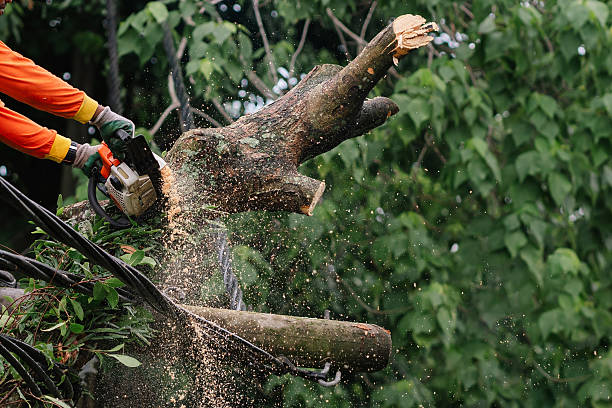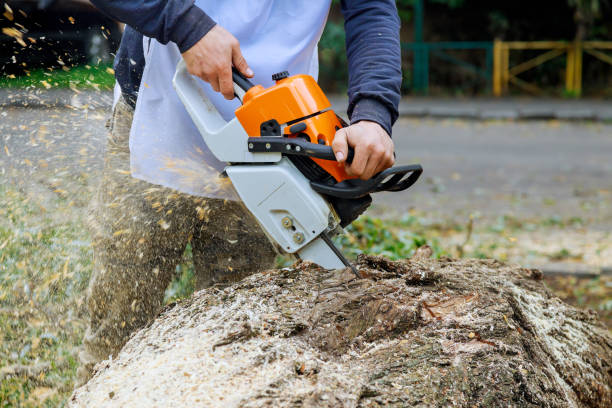
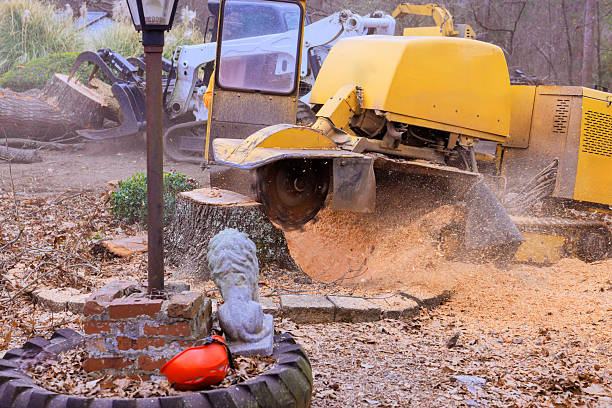
A tree may be gone, but its stump can remain in the yard for years if it is not addressed. Tree stumps can interfere with lawn maintenance, create tripping hazards, attract certain wood-boring insects as the wood decays, and limit the ways homeowners can use their outdoor spaces. For many properties, a tree stump grinding service is a practical way to deal with these problems without excavating the entire root system.
Stump grinding uses specialized equipment to break the remaining stump into small wood chips below ground level. The process can make an area easier to maintain and prepare it for grass, landscaping, or other uses. However, the right approach depends on the stump’s size, location, root structure, and the property’s future plans.
Homeowners in Wichita, Kansas, may also need to consider soil conditions, access to the yard, irrigation systems, and the location of underground utilities before scheduling work.
This guide explains how stump grinding works, how it differs from complete stump removal, what affects the cost, and what to consider when hiring a professional service.
What Is a Tree Stump Grinding Service?
A tree stump grinding service removes the visible stump by using a machine equipped with a rotating cutting wheel. The wheel gradually reduces the wood to small chips, allowing the stump to be ground below the surrounding ground level.
Unlike excavation, stump grinding generally does not require digging out the entire root system. The larger roots remain underground and gradually decompose over time.
This method is commonly used after a tree has been removed from a residential property. It can also be suitable for older stumps that remain in lawns, gardens, or landscaped areas.
Why Do Homeowners Choose Stump Grinding?
Homeowners may arrange stump grinding for several reasons:
- Improved yard safety: Stumps can create obstacles for people walking through the yard, especially children and visitors who may not notice them.
- Easier lawn maintenance: A stump can obstruct mowing and trimming, making regular yard care more difficult.
- Better landscaping options: Grinding can create more usable space for grass, garden beds, or other landscaping projects.
- Reduced pest concerns: Decaying wood can attract some insects, including certain beetles and ants. Removing the stump’s above-ground portion can reduce this source of habitat.
- A tidier appearance: An old stump may look out of place in an otherwise maintained lawn or garden.
Grinding does not eliminate every root or guarantee that insects will never visit the area. It addresses the stump itself and the specific concerns associated with it.
How Does the Stump Grinding Process Work?
The process typically involves inspecting the stump, preparing the work area, operating the grinding machine, and managing the resulting wood chips. The exact steps depend on the property’s layout and the size of the stump.
1. Inspecting the Stump and Surrounding Area
Before grinding begins, the service provider evaluates the stump and its surroundings. The inspection helps determine the equipment needed and whether obstacles could affect the work.
Important considerations include the stump’s diameter, the type of wood, the visible root flare, ground conditions, and the amount of working space available.
The provider should also ask about underground utilities, irrigation lines, landscape lighting, and other buried features. These can be difficult to identify from the surface alone.
2. Preparing the Work Area
The area around the stump needs to be prepared before the machine is operated. Homeowners may be asked to move vehicles, garden furniture, toys, and other items away from the work zone.
The crew may establish a controlled area to help prevent wood chips and other debris from reaching people, windows, vehicles, or nearby landscaping.
Access is another important consideration. Some yards have narrow gates, retaining walls, slopes, or limited entry points. These conditions can influence the type of equipment used and the amount of preparation required.
3. Grinding the Stump Below Ground Level
Once the area is ready, the operator positions the grinder and works through the stump in controlled passes. The cutting wheel breaks down the wood, gradually reducing the stump to chips.
Grinding depth depends on the property’s needs and the intended use of the space. A lawn restoration project may require a different depth from a landscaping project involving deeper planting or construction.
The visible stump is reduced below the surrounding soil level, but the process usually leaves much of the root system in place. If major surface roots extend beyond the stump, ask whether they are included in the estimate or require separate work.
4. Managing Wood Chips and Restoring the Area
Grinding produces a mixture of wood chips, shredded wood, and soil. The resulting material may be left in the hole, spread over an agreed area, or removed, depending on the service agreement.
The ground may need additional soil after the chips are removed or allowed to settle. If you intend to grow grass, the area may require topsoil, leveling, and reseeding.
Before the work begins, confirm who is responsible for debris handling and the final condition of the site. These details can affect both the cost and the amount of work you need to do afterward.
Stump Grinding vs. Complete Stump Removal
Stump grinding and complete stump removal are different processes. The appropriate option depends on what you want to do with the area after the stump is addressed.
| Feature | Stump grinding | Complete stump removal |
|---|---|---|
| Main process | Grinds the stump into wood chips | Excavates the stump and may remove major roots |
| Root system | Most roots remain underground | Larger roots may be removed, depending on the scope |
| Ground disturbance | Usually more localized | Often involves more digging and soil disturbance |
| Equipment | Stump grinder and related tools | Excavation equipment or other specialized tools |
| Landscaping preparation | Can prepare an area for lawns and some landscaping | May be preferable when extensive below-ground clearance is required |
| Typical considerations | Grinding depth, access, chips, and surface roots | Excavation space, soil replacement, root removal, and restoration |
When Is Stump Grinding the Better Option?
Grinding is often suitable when a homeowner wants to remove a visible obstacle, improve mowing access, or prepare an area for grass or general landscaping.
Because the entire root system does not need to be excavated, grinding can limit the amount of digging and disturbance compared with full removal.
However, the remaining roots may take years to decompose, depending on the tree species, root size, soil, and moisture.
When Might Complete Removal Be Necessary?
Complete or more extensive removal may be worth discussing when the area is planned for construction, certain hardscaping projects, or planting that requires more extensive root clearance.
Grinding alone may not provide the below-ground clearance needed for foundations, paving, or other projects with specific soil requirements. A contractor should assess the plans before you choose a method.
Neither method automatically guarantees that a new tree can be planted directly in the same location. Remaining roots, wood chips, soil conditions, and the future tree’s space requirements should all be considered.
What Factors Affect Tree Stump Grinding Costs?
There is no universal price for stump grinding. The cost depends on the size and condition of the stump, the location, equipment access, the requested grinding depth, and any additional services.
The following factors can influence an estimate.
Stump Diameter and Root Structure
Larger stumps generally require more cutting time than smaller ones. A broad trunk base or extensive surface roots can also increase the work involved.
The tree species may affect the process because different woods have different densities. Harder wood can take longer to grind than softer wood of a similar size.
Location and Accessibility
A stump in an open lawn may be easier to access than one between a fence and a building. Narrow gates, steep slopes, retaining walls, and delicate landscaping can affect equipment selection and setup.
If the grinder cannot reach the stump directly, the provider may need an alternative approach. Discuss access limitations when requesting an estimate.
Grinding Depth and Additional Work
The required depth can influence how much grinding is necessary. A straightforward lawn restoration may have different requirements from a project involving surface roots or extensive landscaping changes.
Other potential charges may include:
- Grinding multiple stumps.
- Cutting or grinding exposed surface roots.
- Hauling away wood chips.
- Bringing in topsoil to fill the area.
- Leveling the ground and preparing it for grass.
- Additional site preparation or restricted-access work.
Ask for the included services and exclusions in writing so you can compare estimates accurately.
Why an On-Site Estimate Helps
Photographs can help a company understand the general size and location of a stump, but they may not reveal every access limitation or buried feature.
An on-site assessment gives the provider an opportunity to inspect the work area and discuss the intended result. It also allows you to ask whether the estimate includes cleanup, surface roots, and ground restoration.
For homeowners comparing stump grinding services near me, a detailed written estimate is more useful than comparing prices without knowing what each company will do.
What Happens to the Roots After Stump Grinding?
One common question is whether the tree’s roots disappear after the stump is ground. In most cases, they do not.
The grinding process removes the stump and some of the upper root structure, depending on the work performed. Larger roots that extend farther underground generally remain in the soil.
Do Remaining Roots Continue to Grow?
Most roots belonging to a tree that has been removed will eventually die, but some species can produce new shoots from the remaining stump or roots.
If shoots appear, the response depends on the tree species and the condition of the remaining root system. Ask the tree service provider how to handle regrowth if it is a concern.
How Long Do Roots Take to Decompose?
Root decomposition varies considerably. Small roots may break down faster, while large roots can persist for several years.
As roots decay, the soil above them may settle. This is one reason a stump grinding area may need additional soil and occasional leveling after the initial work.
If you plan to install a patio, walkway, or other permanent feature, discuss the ground preparation requirements with the relevant contractor rather than assuming grinding alone will provide a stable base.
How to Prepare Your Property for Stump Grinding
Preparing the property helps the crew work efficiently and reduces the chance of avoidable problems.
Identify Underground Utilities
Before grinding begins, discuss buried utility lines, irrigation systems, lighting cables, drainage features, and other underground installations.
In the United States, contact 811 before digging or other work that could affect buried utilities. Follow the applicable notification requirements and make sure relevant lines have been identified before work begins. Private lines, such as some irrigation systems and landscape lighting, may not be covered by public utility marking services, so ask how these will be located.
Never assume that an unmarked area is free of underground hazards.
Clear the Immediate Work Area
Move portable furniture, children’s toys, garden tools, and vehicles away from the stump. Keep pets and people outside the designated work area.
Do not attempt to cut roots or dig around the stump yourself unless the provider has explained that it is safe and necessary.
Explain Your Landscaping Plans
Tell the provider what you intend to do after grinding. If you want to reseed the lawn, install a garden bed, or prepare the space for hardscaping, explain those plans before the estimate is finalized.
This helps determine the appropriate grinding depth and whether additional root work or soil preparation is needed.
Discuss Cleanup Before Work Starts
Ask whether wood chips will be left on the property or hauled away. If you want the area ready for grass, clarify whether topsoil, leveling, and reseeding are included or must be arranged separately.
A clear agreement helps prevent confusion about the final result.
How to Choose a Tree Stump Grinding Service
Choosing a provider involves more than finding the lowest price. You should understand the company’s approach, its equipment and safety practices, and the services included in the estimate.
Check Experience and Equipment
Ask whether the company handles stumps similar in size and location to yours. A large stump in a restricted backyard may require a different machine and approach from a small stump in an open lawn.
The provider should be able to explain the proposed method and any limitations associated with your property.
Verify Insurance and Safety Practices
Stump grinders use powerful cutting equipment that can throw wood chips and debris. Ask whether the provider carries appropriate insurance and how the crew will protect people, structures, windows, vehicles, and nearby landscaping.
If the stump is close to a fence, building, or buried utility, ask how the company plans to manage the risk.
Review the Written Estimate
A clear estimate should explain which stump will be ground, the approximate grinding depth, whether surface roots are included, and how debris will be handled.
It should also identify additional charges, payment terms, and any restoration work that is excluded.
Compare Similar Services
When comparing several companies, make sure each quote covers the same work. A lower estimate may not include hauling away wood chips or preparing the ground for grass.
Read customer reviews for recurring feedback about communication, scheduling, property protection, and cleanup. Ask questions if the proposed work or final result is unclear.
Tree Stump Grinding in Wichita, Kansas
Homeowners in Wichita may need stump grinding after removing a tree damaged by storms, one that has declined over time, or one that interferes with a planned landscaping project.
The layout of the property matters. Some yards provide open access for equipment, while others have narrow side passages, established garden beds, irrigation systems, or fences that require additional planning.
Kansas Tree Experts lists stump grinding among its tree care services in Wichita and surrounding communities. Its website provides information about local tree services and a way to request an estimate.
Before scheduling work, explain the stump’s location, approximate size, access conditions, and intended use of the area. If you have several stumps, ask whether they can be assessed together.
You can visit the Kansas Tree Experts to review the available services and discuss your property’s needs. Confirm the specific work included in the estimate, particularly if you need surface-root management, debris hauling, or ground restoration.
Conclusion
Tree stump grinding can make a property easier to maintain, reduce tripping hazards, and create more space for lawns or landscaping. However, grinding does not remove every root, and the finished area may need additional soil, leveling, or restoration before it is ready for its next use.
Before hiring a tree stump grinding service, compare written estimates, confirm the grinding depth, check what is included in cleanup, and discuss any underground utilities or landscaping plans. These steps can help you choose an approach that fits your property and budget.
Kansas Tree Experts offers stump grinding as part of its tree care services in Wichita and nearby communities. Visit the Kansas Tree Experts to learn more about its services and estimate options. If you have a stump that needs attention, contact us through the website to discuss the location, condition, and intended use of the area.
Understanding the process before work begins helps you set realistic expectations and plan the next stage of your yard’s maintenance or landscaping.
Frequently Asked Questions
1. What is a tree stump grinding service?
A tree stump grinding service uses specialized equipment to grind a tree stump into small wood chips below ground level. It removes the visible stump without usually excavating the entire root system.
2. Is stump grinding better than stump removal?
Stump grinding is often suitable for clearing a stump from a lawn or landscaped area with less excavation. Complete stump removal may be more appropriate when extensive root clearance is required for construction or other projects. The best option depends on the intended use of the space.
3. How deep should a stump be ground?
The required depth depends on the property and the next use of the area. A lawn project may need less clearance than a project involving planting or hardscaping. Ask the provider to specify the intended depth in the estimate.
4. Does stump grinding remove all the roots?
No. Stump grinding generally removes the stump and some of the upper roots, while most of the root system remains underground. Those roots gradually decompose over time.
5. Can I plant grass after stump grinding?
Yes, grass can often be planted after the area has been prepared. You may need to remove excess wood chips, add suitable topsoil, level the ground, and reseed it. Follow the recommended preparation steps for your lawn and soil conditions.
6. Can I plant a new tree in the same spot?
It may be possible, but the original stump’s remaining roots, wood chips, soil conditions, and available growing space can affect the result. A new planting location may be preferable. Ask a qualified tree care professional to assess the site.
7. What happens to the wood chips after grinding?
Wood chips may be left in the grinding area, spread elsewhere on the property, or hauled away. The arrangement depends on the service agreement. Confirm whether disposal and cleanup are included before work begins.
8. Is stump grinding safe near fences and buildings?
It can be performed in many areas near structures, but the provider must evaluate access, the machine’s operating space, and the risk of flying debris. Restricted spaces may require specialized equipment or additional precautions.
9. How much does a tree stump grinding service cost?
Costs depend on stump diameter, wood density, access, grinding depth, the number of stumps, and cleanup requirements. Request an estimate based on your property rather than relying on a general price range.
10. Should I hire a professional for stump grinding?
Professional service is worth considering for large stumps, restricted spaces, extensive surface roots, or areas near structures and underground utilities. Stump grinders can cause serious injuries and property damage if operated improperly, so homeowners should not attempt the work without appropriate training and equipment.