
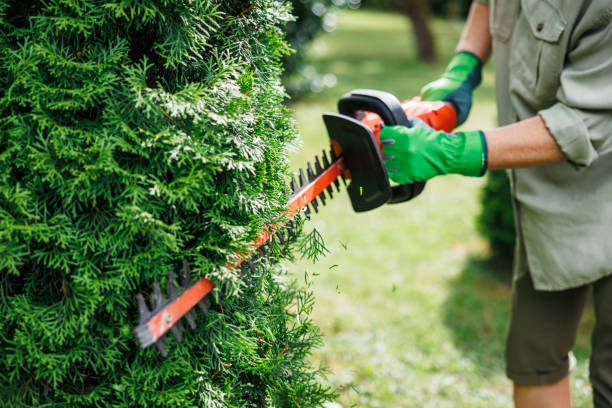
Shrubs can be an important part of a home’s landscape, but they can eventually become overgrown, damaged, diseased, or unsuitable for their location. When trimming is no longer enough, removing the shrub may be the more practical option.
If you are considering local shrub removal, choosing a service involves more than finding a company that operates nearby. Homeowners should consider the scope of work, experience, equipment, property protection, root removal, cleanup, insurance, pricing, and the details included in the estimate.
A local service can also provide an opportunity for an on-site assessment. Instead of estimating the work based only on photographs or a general description, a professional can evaluate the size, condition, location, accessibility, and surrounding landscape.
Kansas Tree Experts provides shrub shaping and land and bush clearance services, along with tree trimming, tree removal, stump grinding, commercial tree services, and emergency tree services. The company serves Wichita and surrounding Kansas communities.
This guide explains what homeowners should consider before hiring a local shrub removal service and how to compare providers based on the actual requirements of the property.
What Is Local Shrub Removal?
Local shrub removal is the process of removing unwanted or unsuitable shrubs from a property. Depending on the shrub and the desired result, removal may involve cutting the above-ground growth, addressing the remaining base, removing roots, and clearing the resulting debris.
The process can vary significantly from one property to another.
A small shrub in an open planting bed may be relatively easy to remove. A mature shrub growing beside a fence, building, walkway, or established landscape may require more careful work.
A shrub removal project may include:
- Cutting branches and stems
- Removing the main plant structure
- Digging around the base
- Addressing larger roots
- Loading vegetation and debris
- Hauling material away
- Cleaning the work area
- Preparing the area for future landscaping
Not every project requires complete root extraction. Homeowners should discuss their goals with the service provider before work begins.
When Should You Consider Shrub Removal?
Shrub removal is not always necessary. In some cases, trimming or shaping can restore a shrub’s size and appearance. Removal may be more appropriate when the plant has become unsuitable for the space.
Overgrown Shrubs
A shrub can eventually grow beyond the space available for it. Repeated heavy trimming may temporarily reduce its size, but it may continue to outgrow the area.
Removal can be considered when a shrub repeatedly interferes with:
- Walkways
- Driveways
- Windows
- Fences
- Buildings
- Other landscape plants
Dead or Severely Declining Shrubs
A dead or severely declining shrub may no longer serve its intended landscape purpose.
Before removing it, homeowners should determine whether the plant can reasonably be restored through pruning or other care. If not, removal may allow the space to be replanted.
Shrubs Blocking Access
Shrubs can grow across paths, gates, driveways, and other access points.
When trimming cannot maintain adequate clearance, removing the shrub may provide a more permanent solution.
Shrubs Interfering With Structures
A shrub growing directly against a building or fence can make maintenance more difficult.
Dense growth may also restrict access for painting, repairs, inspections, or other property work.
Landscape Redesign
Homeowners sometimes remove established shrubs when redesigning a landscape.
The space could eventually be used for:
- New plants
- Mulch
- Lawn
- Flower beds
- Ground cover
- Hardscaping
- Outdoor living areas
If you already know what you want to do with the area after removal, mention those plans when requesting an estimate.
What to Consider Before Hiring a Local Shrub Removal Service
Searching for a nearby provider is only the first step. Before hiring a company, evaluate the service based on several practical factors.
1. Experience With Shrub Removal
Shrubs range from small ornamental plants to large, mature woody growth with substantial root systems.
Ask whether the provider has experience with the type and size of shrubs on your property.
Experience may be especially important when shrubs are:
- Very large
- Densely rooted
- Close to buildings
- Beside fences
- Growing on slopes
- Surrounded by established landscaping
- Difficult to access
A provider should be able to explain how the shrub will be removed and what challenges may affect the project.
2. Scope of Work
One of the most important questions is what the quoted service actually includes.
For example, does “shrub removal” mean only cutting the shrub down, or does it include removing the base and debris?
Ask whether the estimate includes:
- Cutting
- Base removal
- Root removal
- Loading
- Hauling
- Cleanup
- Soil preparation
Getting the scope in writing can reduce misunderstandings.
3. Written Estimates
A written estimate allows homeowners to review the proposed work before approving it.
A useful estimate should identify the shrubs being addressed and explain the services included.
If you are comparing several providers, written estimates make it easier to compare similar services rather than simply comparing total prices.
Kansas Tree Experts offers free estimates and states that its tree service work is supported by clear pricing.
4. Equipment
The appropriate equipment depends on the size and location of the shrubs.
Small shrubs may require basic hand tools, while larger vegetation may require power equipment or machinery.
Possible equipment can include:
- Hand pruners
- Loppers
- Saws
- Shovels
- Root-cutting tools
- Chippers
- Loaders
- Other vegetation-clearing equipment
Ask what equipment will be used and whether its use is included in the estimate.
The equipment should be appropriate for the project without creating unnecessary disturbance to the surrounding property.
5. Property Protection
Shrubs are often located near other landscape features.
Before work begins, discuss anything that needs to be protected, such as:
- Trees
- Flower beds
- Fences
- Walkways
- Driveways
- Irrigation systems
- Outdoor lighting
- Buildings
- Landscaping
Ask how the crew plans to reach the shrub and remove it while limiting unnecessary disturbance to surrounding areas.
6. Root Removal
Root removal is an important detail that homeowners sometimes overlook.
Removing the visible shrub does not necessarily mean that the entire root system will be extracted.
Some projects only require the shrub to be cut down and the remaining base addressed. Other projects may require more extensive root removal because the space will be used for construction, planting, or another purpose.
Ask:
“Will the roots be removed, or will the remaining root system stay in the ground?”
The answer can affect both the scope and the cost of the project.
7. Cleanup and Disposal
Shrub removal can generate a surprising amount of organic material.
Branches, stems, leaves, roots, and soil can remain after the plant is removed.
Before hiring a service, ask:
- Who removes the debris?
- Is hauling included?
- Are wood chips left behind?
- Is the area raked?
- Are larger pieces removed?
- Is disposal included in the estimate?
Do not assume that cleanup is automatically part of the quoted price.
8. Insurance and Qualifications
Ask whether the service provider carries appropriate insurance for the work being performed.
This is particularly important when the project involves power equipment, large shrubs, difficult access, or work close to structures.
You can also ask whether the company is licensed and whether documentation can be provided.
Kansas Tree Experts identifies itself as licensed and fully insured on its website.
9. Service Area
Choosing a provider that regularly works in your area can make scheduling and site evaluation more practical.
Kansas Tree Experts lists Wichita and numerous surrounding communities in its service area, including Andover, Derby, Goddard, Haysville, Maize, Newton, Park City, Valley Center, and other Kansas communities.
However, being local should not be the only selection criterion. Experience, scope, insurance, estimates, equipment, and cleanup should also be considered.
Factors That Affect Shrub Removal Cost


There is no single price for shrub removal because each property presents different conditions.
| Cost Factor | Why It Matters |
|---|---|
| Shrub size | Larger shrubs require more cutting and handling |
| Number of shrubs | More plants generally require more labor |
| Root system | Extensive roots can require additional digging |
| Location | Restricted areas can make removal more difficult |
| Accessibility | Narrow gates or slopes can limit equipment access |
| Debris volume | Larger shrubs create more material to process |
| Equipment | Specialized tools or machinery can affect project requirements |
| Cleanup | Hauling and disposal add to the overall scope |
| Ground preparation | Future landscaping may require additional work |
| Nearby structures | Careful removal may be needed around buildings and fences |
A written on-site estimate can account for these factors more accurately than a general online price.
Shrub Removal vs. Shrub Trimming
Before hiring a removal service, determine whether removal is actually necessary.
Shrub Trimming
Trimming involves cutting back existing growth while keeping the shrub in place.
It may be appropriate when:
- The shrub is healthy
- The plant is only moderately overgrown
- The desired shape can be maintained
- The shrub still fits its location
Shrub Removal
Removal eliminates the shrub from the landscape.
It may be appropriate when:
- The shrub is unwanted
- The plant has outgrown its space
- The shrub is severely declining
- Repeated trimming is no longer practical
- The area is being redesigned
- The plant interferes with access or structures
Kansas Tree Experts lists shrub shaping and land and bush clearance among its services, so homeowners can discuss whether maintenance or broader vegetation removal better fits their property.
What Happens During Professional Shrub Removal?
The exact process depends on the shrub, but a professional project commonly involves several stages.
Step 1: Property Assessment
The provider identifies the shrubs and examines their size, condition, location, access, and surrounding features.
Step 2: Removal Planning
The crew determines how the shrub can be cut and removed safely.
The plan may account for nearby fences, buildings, trees, landscaping, and available access.
Step 3: Work Area Preparation
Items that could interfere with the work may need to be moved.
The crew may also establish an appropriate working area around the shrub.
Step 4: Cutting and Removal
Branches and stems are cut into manageable sections when necessary.
Larger shrubs may require more extensive cutting before the base can be addressed.
Step 5: Base or Root Work
Depending on the agreed scope, the remaining base may be cut, dug out, or otherwise addressed.
Complete root extraction is not automatically part of every shrub removal project.
Step 6: Debris Removal
Branches and other vegetation are collected and handled according to the estimate.
Step 7: Final Cleanup
The work area is cleared of the agreed debris.
If the homeowner plans to install new landscaping, additional soil preparation may be discussed separately.
Questions to Ask Before Hiring a Shrub Removal Service
Before approving a project, consider asking the following:
- Do you recommend removal or trimming?
- What exactly is included in the removal service?
- Will the roots be removed?
- Is debris hauling included?
- Is cleanup included?
- What equipment will be used?
- How will nearby plants be protected?
- Are you licensed and insured?
- Can you provide a written estimate?
- Could additional charges apply?
- How long will the project take?
- What will happen to the area after the shrub is removed?
The answers can help you determine whether the provider’s service matches your expectations.
How to Compare Local Shrub Removal Providers
When comparing providers, use the same criteria for each estimate.
Compare the Scope
Make sure each provider is quoting the same shrubs and the same type of work.
Compare Root Work
Check whether the estimate covers only above-ground removal or includes the base and roots.
Compare Cleanup
Find out whether branches, wood, and other debris will be removed.
Compare Equipment
Ask whether specialized equipment is required and whether its use is included.
Compare Insurance
Confirm the provider’s insurance information before approving the work.
Compare Scheduling
Ask when the project can begin and how long the work is expected to take.
Compare Communication
A good estimate should clearly explain the proposed work and answer your questions.
The lowest price may not represent the lowest overall cost if important services are excluded from the estimate.
How to Prepare Your Property for Shrub Removal
Homeowners can make the removal process easier by preparing the work area.
Before the crew arrives:
- Identify the shrubs to be removed
- Move vehicles away from the work area
- Remove outdoor decorations
- Clear personal belongings
- Identify irrigation equipment if known
- Point out plants that should remain
- Discuss access through gates or side yards
- Confirm debris removal
- Review the written estimate
If the shrubs are close to structures, fences, utility features, or established plants, mention these conditions during the initial assessment.
Local Shrub Removal Checklist
Use this checklist when evaluating a shrub removal provider.
Before Getting an Estimate
- Identify the shrubs
- Decide whether trimming could solve the problem
- Consider future landscaping plans
- Identify nearby structures
- Check access to the work area
During the Estimate
- Ask what removal includes
- Ask about root removal
- Discuss equipment
- Ask about property protection
- Confirm debris removal
- Ask about possible additional costs
Before Work Begins
- Review the written estimate
- Confirm the total price
- Confirm the work area
- Confirm cleanup arrangements
- Confirm scheduling
- Make sure the scope matches your expectations
Conclusion
Choosing a provider for local shrub removal requires more than finding a company that works nearby. Homeowners should understand whether removal is necessary, what the service includes, how the shrub and roots will be handled, what equipment is required, and how the surrounding property will be protected.
Before approving the project, request a written estimate and clarify debris removal, cleanup, root work, scheduling, and potential additional charges. Comparing providers based on the complete scope of work can be more useful than comparing prices alone.
Kansas Tree Experts provides shrub shaping and land and bush clearance, along with tree trimming, tree removal, stump grinding, commercial tree services, and emergency tree services in Wichita and surrounding Kansas communities.
If you need help determining the appropriate service for your property’s shrubs or vegetation, contact us to discuss the work and request an estimate. A clear assessment can help you decide whether trimming, shaping, removal, or broader vegetation clearance is the right approach.
Frequently Asked Questions
What is local shrub removal?
Local shrub removal is the removal of unwanted or unsuitable shrubs from a property by a service provider operating in the area. The service may include cutting, base or root work, debris removal, and cleanup depending on the agreed scope.
How do I choose a local shrub removal service?
Look for relevant experience, a clear scope of work, written estimates, appropriate equipment, property protection practices, insurance information, and clear cleanup arrangements. Local availability is useful, but it should not be the only consideration.
Should I remove a shrub or trim it?
If the shrub is healthy and can still be maintained within its space, trimming or shaping may be sufficient. Removal may make more sense when the plant is unwanted, severely overgrown, declining, or repeatedly interfering with the property.
Does shrub removal include the roots?
Not necessarily. Some services remove the visible plant and address the base, while complete root extraction may be a separate service. Ask specifically what the estimate includes.
How much does local shrub removal cost?
The cost depends on factors such as shrub size, number of shrubs, root structure, location, accessibility, equipment, debris volume, and cleanup requirements. An on-site estimate is generally more useful than a general price range.
Is debris removal included?
It depends on the provider and the written estimate. Homeowners should ask whether branches, stems, wood, and other debris will be hauled away or left on the property.
Can shrub removal damage nearby plants?
It can if the work is not carefully planned. Before removal, discuss nearby trees, flower beds, landscaping, irrigation systems, fences, and structures that need to remain undisturbed.
How long does shrub removal take?
The timeframe depends on the number and size of shrubs, root systems, access, equipment, and cleanup requirements. A small shrub may take considerably less time than a large, established shrub.
Does Kansas Tree Experts provide shrub services?
Yes. Kansas Tree Experts lists shrub shaping and land and bush clearance among its services. It also provides tree trimming, tree removal, stump grinding, commercial tree services, and emergency tree services.
Does Kansas Tree Experts serve areas outside Wichita?
Yes. Kansas Tree Experts lists Wichita and surrounding communities throughout its service area, including Andover, Derby, Goddard, Haysville, Maize, Newton, Park City, Valley Center, and other Kansas communities.

