Tree care is an essential part of maintaining safe, healthy, and attractive properties in Wichita, Kansas. While many homeowners recognize the importance of trees, fewer understand how often tree trimming should be performed or why timing plays such a critical role. Tree trimming is not only about controlling size or improving appearance. It directly affects tree health, public safety, and long-term landscape stability.
In Wichita, changing weather patterns, strong winds, and seasonal temperature shifts all influence how trees grow and when they should be maintained. This guide explains how often tree trimming is needed, what factors affect trimming schedules, and how proper care can prevent larger issues such as storm damage or the need for tree removal in Wichita.
Why Tree Trimming Frequency Matters
Tree trimming is a preventive practice. When done correctly and on a consistent schedule, it helps trees develop strong branch structures and reduces risks associated with weak or damaged limbs.
Key reasons trimming frequency matters include:
- Supporting balanced growth and structure
- Reducing the likelihood of falling branches
- Limiting disease spread
- Protecting nearby buildings, vehicles, and utilities
Delaying tree trimming can lead to overcrowded canopies and weakened limbs. Over time, this increases the risk of failure during storms, which is a common concern for property owners in Wichita.
Factors That Determine How Often Trees Should Be Trimmed
There is no universal schedule that applies to all trees. Several factors influence how frequently tree trimming should occur.
Tree Age and Growth Rate
Young trees require more frequent trimming to guide their structure. Early care helps establish a strong central leader and well-spaced branches.
Mature trees grow more slowly, but still need periodic trimming to remove deadwood and maintain balance.
Tree Species Common in Wichita
Different species grow at different rates. Fast-growing species often require more frequent trimming, while slow-growing hardwoods may need less frequent maintenance.
Local experience matters when assessing species-specific needs. Providers such as Kansas Tree Experts are familiar with Wichita-area trees and their growth patterns.
Location and Surrounding Structures
Trees near homes, sidewalks, streets, or power lines often require more frequent trimming. Branches that extend toward structures or utilities pose safety concerns and should be monitored regularly.
Weather and Storm Exposure
Wichita is known for strong winds and seasonal storms. Trees that are frequently exposed to harsh weather may develop stress points that require closer attention.
Recommended Tree Trimming Timelines
While individual trees may vary, general guidelines can help property owners understand typical trimming needs.
- Young trees (1 to 5 years): Every 1 to 2 years
- Mature trees (10+ years): Every 3 to 5 years
- Fast-growing species: Every 1 to 2 years
- Storm-damaged trees: As needed after assessment
Regular evaluations help determine whether trimming schedules should be adjusted.
Best Time of Year to Trim Trees in Wichita KS
Timing is just as important as frequency. Improper timing can stress trees or slow recovery.
- Late winter to early spring: Ideal for most species, as trees are dormant and wounds heal efficiently
- Summer: Suitable for corrective trimming or removing damaged limbs
- Fall: Typically avoided due to slower healing and higher disease risk
A knowledgeable tree care provider can recommend the best timing based on species and conditions. Kansas Tree Experts often assess seasonal conditions before scheduling major trimming work.
Tree Trimming vs Tree Removal
Tree trimming and tree removal serve different purposes. Trimming focuses on preservation, while removal is a last resort.
When Tree Trimming Is Enough
Trimming is usually sufficient when:
- Branches are overgrown but healthy
- The tree structure needs correction
- Safety risks can be resolved by removing specific limbs
When Tree Removal Becomes Necessary
Tree removal in Wichita may be required if:
- The tree is severely diseased or decaying
- Structural damage compromises stability
- Roots threaten foundations or utilities
An experienced professional can determine whether trimming will resolve the issue or if removal is the safer option.
Safety Risks of Improper or Delayed Tree Trimming
Neglecting tree trimming can lead to serious safety hazards.
Common risks include:
- Falling branches during storms
- Interference with power lines
- Increased likelihood of property damage
Improper trimming techniques can also weaken trees, making them more vulnerable over time. This is why trained professionals are recommended for larger or mature trees.
Signs Your Tree Needs Trimming
Some signs indicate that trimming should not be delayed.
- Dead or broken branches
- Branches rubbing or crossing
- Uneven or leaning growth
- Excessive canopy density blocking light
Early intervention helps prevent these issues from escalating into major problems.
Professional Tree Trimming and Local Expertise
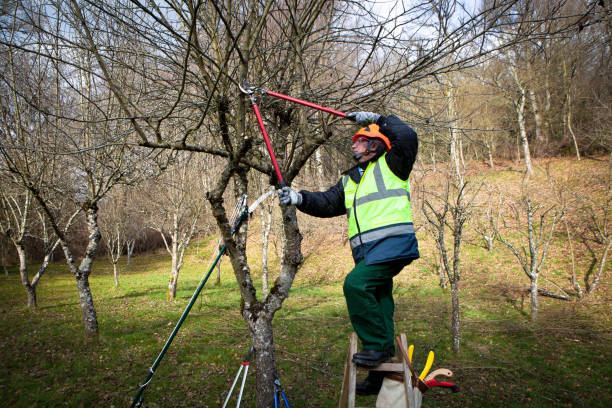
Tree trimming requires more than cutting branches. Proper techniques, safety planning, and species knowledge are essential.
Local experience is especially important in Wichita, where weather conditions influence tree structure. Companies like Kansas Tree Experts apply region-specific knowledge to ensure trimming supports long-term health rather than causing stress.
Tree Trimming Frequency Guide
| Tree Type | Growth Rate | Recommended Trimming Frequency |
| Young Trees | Moderate to fast | Every 1–2 years |
| Mature Shade Trees | Slow to moderate | Every 3–5 years |
| Fast-Growing Species | Fast | Every 1–2 years |
| Trees Near Structures | Varies | As needed after inspection |
| Storm-Damaged Trees | N/A | Immediately after assessment |
How Regular Tree Trimming Supports Long-Term Tree Health
Consistent tree trimming reduces stress on branches and improves overall vitality. Benefits include:
- Reduced disease and pest infestation
- Improved resistance to storms
- Extended lifespan of mature trees
Proper care also reduces the likelihood that tree removal in Wichita will be necessary in the future. Maintaining healthy trees contributes to a stronger urban canopy and safer neighborhoods.
Providers such as Kansas Tree Experts focus on sustainable practices that prioritize tree preservation whenever possible.
Frequently Asked Questions
How often should trees be trimmed in Wichita KS?
Most mature trees should be trimmed every three to five years. Young or fast-growing trees may need more frequent trimming.
Can trimming be done year-round?
Minor trimming can be done at any time, but major trimming is best scheduled during late winter or early spring.
Does tree trimming reduce storm damage?
Yes. Proper trimming improves airflow and removes weak limbs, reducing the risk of breakage during storms.
When should tree removal be considered instead of trimming?
Tree removal may be necessary if a tree is structurally unstable, severely diseased, or poses ongoing safety risks that trimming cannot resolve.
Why use a professional instead of trimming trees yourself?
Professional tree trimming reduces safety risks and ensures proper techniques are used. Experienced providers like Kansas Tree Experts understand how to trim trees without causing long-term damage.
Final Thoughts
Understanding how often tree trimming is needed helps property owners maintain safe, healthy landscapes. In Wichita, local climate conditions make regular inspections and timely trimming especially important.
By following appropriate trimming schedules and working with knowledgeable professionals such as Kansas Tree Experts, property owners can support strong tree growth, reduce hazards, and minimize the need for future tree removal in Wichita. Contact us to learn more about proper tree care practices and long-term maintenance planning.