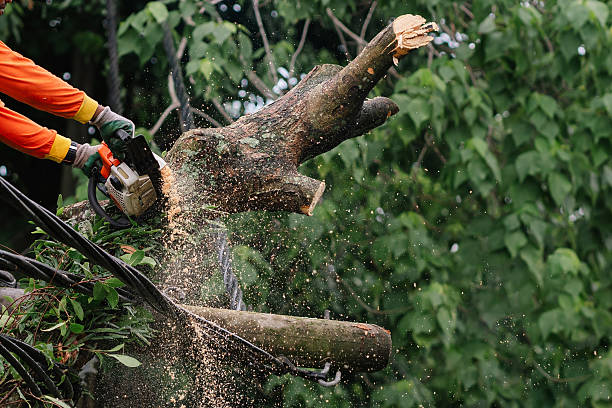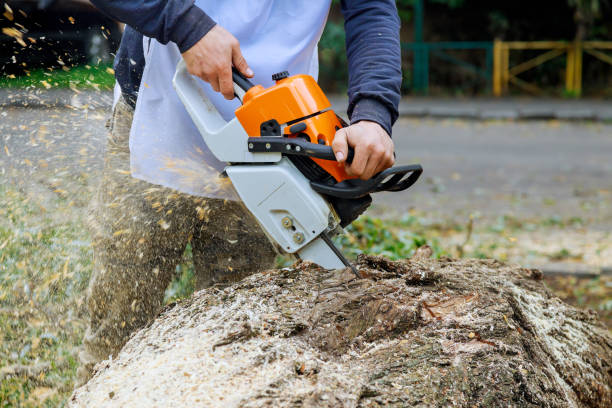
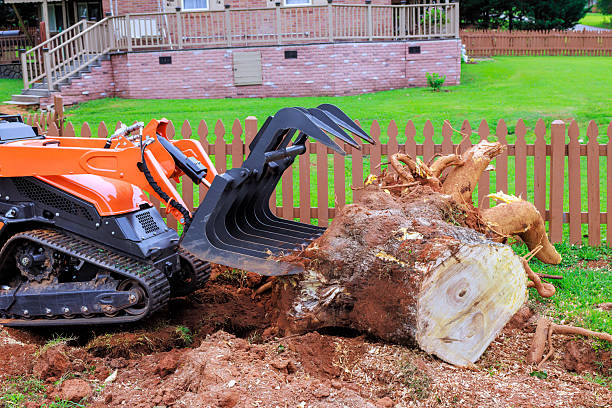
Removing a tree does not always mean the job is finished. Once the trunk and branches are gone, the remaining stump can still take up valuable yard space, interfere with mowing, and affect future landscaping plans. Homeowners searching for stump grinding and removal near me often discover that these are two different services, each with its own process, benefits, and limitations.
Stump grinding reduces the remaining stump to wood chips using specialized machinery. Complete stump removal generally involves digging out the stump and some of its major roots. The right option depends on the stump’s size, location, condition, and what you plan to do with the area afterward.
For homeowners in Wichita, Kansas, understanding these differences can help when comparing local tree care services and requesting estimates. This guide explains how each method works, how costs may differ, and what to consider before choosing a service.
What Is Stump Grinding?
Stump grinding is a process that uses a specialized machine with a rotating cutting wheel to break down a tree stump into small wood chips. The operator gradually grinds the stump below the surrounding ground level.
The method removes the visible stump without excavating the entire root system. Most of the larger roots remain underground and gradually decompose over time.
Stump grinding is commonly used in residential yards where a tree has already been cut down and the property owner wants to reclaim the space.
How Does Stump Grinding Work?
The process typically includes several steps.
1. Inspecting the stump: The service provider evaluates the stump’s diameter, wood condition, surrounding roots, and accessibility. The inspection helps determine the equipment and approach required.
2. Preparing the work area: The crew identifies potential obstacles, checks access, and establishes a safe working area. Underground utilities and private features, such as irrigation lines, must also be considered.
3. Grinding the stump: The operator moves the cutting wheel across the stump in controlled passes until the wood has been reduced to the required depth.
4. Managing wood chips: The grinding process produces wood chips mixed with some soil. Depending on the agreement, these may be left in the area or removed from the property.
5. Preparing the ground: If the area will become a lawn or garden, additional soil, leveling, and reseeding may be needed.
The grinding depth should be discussed before work begins because the requirements for a lawn may differ from those for a landscaping project.
When Is Stump Grinding a Suitable Choice?
Stump grinding may be suitable when you want to:
- Remove a visible stump from a lawn.
- Make mowing and trimming easier.
- Reduce the risk of people tripping over a stump.
- Improve the appearance of the yard.
- Prepare an area for grass or certain landscaping projects.
- Avoid extensive excavation around the stump.
However, grinding does not remove every root. If you plan to build a structure or install hardscaping that requires extensive below-ground clearance, you may need a different approach.
What Is Complete Tree Stump Removal?
Complete tree stump removal generally involves excavating the stump and removing some or most of its major roots, depending on the project requirements. The work may require digging equipment, cutting tools, and additional labor.
Unlike stump grinding, excavation can disturb a larger area of soil. It may also leave a substantial hole that needs to be filled and leveled.
The exact scope varies. Removing a stump and its main root mass does not necessarily mean every small root will be extracted from the ground.
How Does Complete Stump Removal Work?
The process depends on the size of the stump and the surrounding property.
First, the provider assesses the stump, root structure, soil conditions, and access for equipment. Next, the soil around the stump is excavated to expose the root system. The stump and accessible major roots are then cut, loosened, or removed using appropriate equipment.
After removal, the resulting hole needs to be filled with suitable soil and graded as required. Additional landscaping may be necessary to restore the area.
Complete removal can be more disruptive than grinding, particularly when the stump has an extensive root system or sits near structures, retaining walls, or established landscaping.
When Might Complete Stump Removal Be Necessary?
Complete or more extensive stump removal may be worth considering when:
- A construction project requires greater below-ground clearance.
- Extensive root removal is part of the landscaping plan.
- A contractor needs the area cleared for a particular installation.
- The site requires excavation rather than simply removing the visible stump.
Before choosing this method, explain your plans to the tree service provider or relevant contractor. They can help determine whether grinding provides sufficient clearance or whether excavation is more appropriate.
Stump Grinding vs. Stump Removal: Key Differences
Although both methods address an unwanted stump, they differ in how much material is removed, how much soil is disturbed, and what happens after the work.
| Comparison factor | Stump grinding | Complete stump removal |
|---|---|---|
| Main process | Grinds the stump into wood chips | Excavates the stump and accessible major roots |
| Remaining roots | Most roots remain underground | More major roots may be removed |
| Soil disturbance | Usually limited to the immediate area | Often involves more extensive digging |
| Equipment | Stump grinder and related tools | Excavation equipment and cutting tools, as needed |
| Site cleanup | Wood chips need to be managed | Soil, roots, and other debris need to be managed |
| Ground restoration | May require topsoil and leveling | Usually requires filling and grading the excavation |
| Landscaping suitability | Often suitable for lawns and general landscaping | May be preferable when extensive below-ground clearance is needed |
| Main consideration | Grinding depth and remaining roots | Excavation depth, access, and soil restoration |
Which Method Is Faster?
Stump grinding is often quicker because it does not require excavating the entire stump and major root mass. However, the actual time depends on the stump’s diameter, wood density, root structure, access, and the number of stumps being treated.
Complete removal may take longer because the provider needs to expose and extract the stump and roots before restoring the ground.
A large stump in a restricted yard can take considerably longer to address than a smaller stump in an open area, regardless of the chosen method.
Which Method Causes Less Yard Disruption?
Stump grinding generally causes less soil disturbance because the work is concentrated around the stump. It may be a practical option for yards with established lawns, garden beds, or nearby landscaping.
Complete removal usually involves more excavation and can affect a larger portion of the property. However, the amount of disruption depends on the site and the equipment used.
If protecting nearby landscaping is a priority, explain this during the estimate and ask how the provider plans to protect the area.
Which Option Costs Less?
The cost of stump grinding and complete stump removal varies by project. Stump grinding is often less expensive because it generally requires less excavation and can involve less labor. However, no single price applies to every property.
A useful estimate should account for the stump’s size, location, accessibility, and the work required to leave the site in the condition you want.
Factors That Affect Stump Grinding Costs
Several factors can influence the price of grinding.
Stump diameter: Larger stumps generally require more cutting time.
Wood density: Some tree species have harder wood, which can take longer to grind.
Access restrictions: Narrow gates, steep slopes, fences, and nearby structures can complicate equipment access.
Grinding depth: The requested depth affects the amount of work required.
Surface roots: Grinding roots that extend beyond the stump may require additional work.
Cleanup: Hauling away wood chips or preparing the area for grass can increase the total cost.
Factors That Affect Complete Stump Removal Costs
Excavation costs depend on the stump’s dimensions, the size and spread of its roots, soil conditions, equipment requirements, and the amount of restoration needed afterward.
Restricted access may make excavation more difficult. In addition, filling and grading the hole can add to the project cost.
If you are comparing stump grinding services with complete removal, ask each provider to specify the work included in the estimate. A lower initial price may not include debris hauling, topsoil, or landscaping restoration.
Benefits and Limitations of Each Method
Neither method is automatically the best choice for every property. Understanding the trade-offs can help you choose based on your goals rather than price alone.
Benefits of Stump Grinding
Stump grinding offers several practical advantages.
- It removes the visible stump without requiring full excavation.
- It can reduce disruption to nearby lawn and landscaping.
- It creates space for mowing and general yard maintenance.
- It can prepare the area for grass or some landscaping projects.
- It may be a more economical option when extensive root removal is unnecessary.
However, the roots remain underground, and the ground may settle as the remaining wood decomposes. Some tree species can also produce new shoots from surviving roots.
Benefits of Complete Stump Removal
Complete stump removal may provide more extensive below-ground clearance. This can be useful when the area is intended for construction or other projects that require excavation.
It can also remove more of the stump’s major root mass than grinding alone.
The limitations include greater soil disturbance, more demanding equipment requirements, and the need to fill and restore the excavated area. Complete removal may not be necessary if your main goal is simply to improve the appearance of a lawn.
What Happens to the Roots After Stump Grinding?
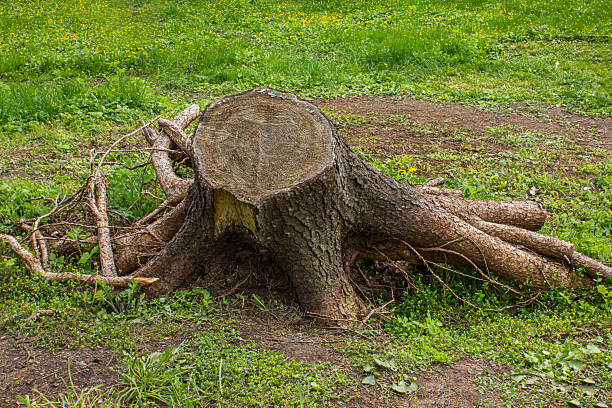
One important difference between grinding and removal is what remains underground.
After grinding, most of the root system stays in place. The roots gradually decompose, but the process can take several years, depending on their size, the tree species, moisture, and soil conditions.
As the wood breaks down, the ground above the roots may settle. This can affect lawn leveling over time.
Can Roots Grow Back After Grinding?
Although the removed tree’s roots generally die, some species can produce new shoots from surviving roots or the remaining stump. The likelihood depends on the species and the condition of the root system.
If regrowth is a concern, ask the provider whether the tree species is known to produce shoots and what follow-up measures may be appropriate.
Can You Plant Grass or a New Tree After Grinding?
Grass can often be planted after the area has been prepared. Depending on the condition of the site, you may need to remove excess wood chips, add topsoil, level the ground, and reseed.
Planting a new tree in the same location can be more complicated. Remaining roots, decaying wood, soil conditions, and the space needed for the new tree may affect its growth. Planting elsewhere may be a better option.
For patios, foundations, or other permanent installations, consult the relevant contractor about soil preparation and below-ground requirements before proceeding.
How to Choose a Stump Grinding and Removal Service Near You
When searching for stump grinding and removal near me, compare providers based on the work they propose, their safety practices, and the clarity of their estimates.
Check Experience and Equipment
Ask whether the provider has experience with stumps similar to yours in size, location, and condition. A stump in an open lawn may require a different approach from one beside a fence or building.
The provider should be able to explain the recommended method and why it suits your plans for the property.
Ask About Insurance and Safety
Stump grinders and excavation equipment can cause injuries and property damage if used improperly. Ask whether the company carries appropriate insurance and how the crew will protect nearby structures, landscaping, and people.
Underground utilities also require careful attention. In the United States, contact 811 before digging or other work that could affect buried utilities, following applicable notification requirements. Private irrigation lines and landscape lighting may require separate identification.
Request a Written Estimate
A written estimate should explain:
- Whether the service involves grinding or excavation.
- The expected grinding depth or removal scope.
- Whether surface roots are included.
- How wood chips and other debris will be handled.
- Whether filling, leveling, or other restoration is included.
- Any additional fees or exclusions.
Ask questions before approving the work if any part of the estimate is unclear.
Compare Similar Quotes
Obtaining two or three estimates can help you understand the available options. Make sure each provider is quoting comparable services.
For example, one quote may include stump grinding and hauling away the chips, while another may leave the chips on the property. The lower price may not represent the lower overall cost if you need additional cleanup.
Stump Grinding and Removal in Wichita, Kansas
Property owners in Wichita may need stump services after removing a damaged tree, clearing an area for landscaping, or improving access across a lawn.
Each property presents different conditions. Narrow side yards, fences, irrigation systems, established gardens, and uneven ground can influence the equipment and approach required.
Kansas Tree Experts is a local resource for homeowners researching tree care services in the Wichita area. Before choosing a stump service, review the company’s available services and confirm whether the specific work you need is offered.
Visit the Kansas Tree Experts to learn more about its services and discuss your property’s requirements. When requesting an estimate, explain the stump’s size and location, any access limitations, and what you plan to do with the area afterward.
The most suitable method depends on the actual site conditions. A clear assessment can help you avoid paying for excavation when grinding is sufficient, or choosing grinding when your project requires more extensive root removal.
Conclusion
Choosing between stump grinding and complete stump removal depends on your property’s needs. Grinding is often a practical option for removing a visible stump with less soil disturbance. Complete removal may be more suitable when a project requires greater root clearance or excavation.
Before hiring a provider, consider the intended use of the area, compare written estimates, and confirm what is included in the service. Also, account for debris disposal, soil restoration, underground utilities, and possible root regrowth.
Kansas Tree Experts provides a starting point for homeowners researching tree care services in Wichita and nearby communities. Visit the Kansas Tree Experts to review available services and ask about the options for your property. If you need help determining the next step, contact us through the website to discuss the stump’s condition, location, and your plans for the area.
Understanding the differences between grinding and removal helps you choose a service that fits your landscaping goals, budget, and property requirements.
Frequently Asked Questions
1. What is the difference between stump grinding and stump removal?
Stump grinding reduces the stump to wood chips below ground level, leaving most roots in place. Complete stump removal involves excavating the stump and removing some or most of its major roots, depending on the agreed scope.
2. Is stump grinding cheaper than complete stump removal?
Stump grinding is often less expensive because it usually involves less excavation and labor. However, the final price depends on the stump, access, equipment, cleanup, and any additional work required.
3. Does stump grinding remove all the roots?
No. Most of the root system remains underground after grinding. The roots gradually decompose over time, and some species may produce new shoots.
4. Which method is better for landscaping?
Stump grinding is often sufficient for lawns and general landscaping. Complete removal may be more appropriate when a project requires extensive below-ground clearance. The intended use of the area should guide the decision.
5. How long does stump grinding take?
The time varies with stump size, wood density, access, and the number of stumps. Small, accessible stumps may be handled relatively quickly, while larger or more complicated projects can take longer.
6. Will the ground sink after stump grinding?
The ground may settle as remaining roots and wood decompose. Depending on the project, adding suitable topsoil and leveling the area can help prepare it for grass or landscaping.
7. Can I leave the wood chips in the ground?
Wood chips may be left in the grinding area, but a large quantity of chips can settle as it decomposes. If you plan to plant grass, discuss removing excess chips and adding topsoil with the service provider.
8. Do I need complete stump removal before building a patio?
It depends on the project design and soil requirements. Grinding alone may not provide sufficient below-ground clearance for every installation. Consult the contractor responsible for the patio before selecting a stump service.
9. How do I compare stump grinding and removal estimates?
Compare the proposed method, grinding depth or excavation scope, debris handling, root work, site restoration, insurance, and any additional charges. Make sure each estimate covers comparable services.
10. How can I find stump grinding and removal near me in Wichita?
Research local tree service providers, review their available services, and request written estimates. Confirm that the company serves your property, offers the required service, and clearly explains its safety procedures and pricing.