
Picture this: It is 2:00 AM on a Tuesday. The Wichita wind is absolutely howling, and the rain is beating against your bedroom window. Suddenly, you hear a massive, terrifying “CRACK,” followed by a thud that shakes your entire house.
You grab a flashlight, peek out the window, and your worst nightmare has come true. The giant oak tree in your front yard has snapped in half and is now resting heavily on your roof.
Your heart is pounding. Water might leak into your attic. You know you cannot just go back to sleep and deal with this in the morning. You need help right now.
But what actually happens when you call a 24 hour tree removal service in Wichita? Do they really show up in the middle of the night? How do they get a 5,000-pound tree off your house on the pitch black without destroying your living room?
If you are dealing with a nighttime tree disaster, or if you just want to be prepared for the next big Kansas storm season, you need to know how this process works.
In this guide, we are going to walk you through exactly what to expect, from the moment you pick up the phone to the moment the heavy equipment rolls into your driveway.
What Actually Qualifies as an Emergency?
Before you start dialing phone numbers at 3:00 AM, you need to figure out if you have a genuine, drop-everything emergency on your hands. Emergency tree work is dangerous and expensive, so you do not want to call a midnight crew for a problem that can wait until breakfast.
An emergency tree removal situation means there is an immediate, active threat to human life or severe, ongoing damage to your property.
Here are the signs that you need to call a professional right now:
- The tree is crushing your house: If heavy wood is resting on your roof, the weight could cause the structural beams to cave in at any moment.
- It is completely blocking your only exit: If a tree is laying across your driveway and you have a medical condition that might require an ambulance, that tree has to move immediately.
- The tree is split and about to fall: If you shine your flashlight on the trunk and see a deep, fresh crack running down the middle, the tree is a ticking time bomb.
Midnight Emergency vs. Wait Until Morning
| What You See in Your Yard | Danger Level | What You Should Do |
| Tree resting heavily on the roof | Extreme | Call a 24-hour emergency tree service immediately. |
| Tree tangled in a power line | Extreme | Do not touch it! Call your local utility company to cut the power. |
| Tree fell into the empty grass | Low | Go back to bed. Call a tree service for standard cleanup tomorrow. |
| A branch scratched your car | Medium | Wait for daylight to assess the damage and call for normal service. |
The First Step: Making the Area Safe
When a tree comes down in a storm, your first instinct is usually to run outside and see how bad the damage is. Do not do it.
When you step out into a dark, storm-damaged yard, you cannot see what is hiding in the grass. A falling tree can easily snag the electrical service wire that connects your house to the power grid. If there is a live wire hiding in the wet grass, the ground itself can become electrified.
Stay inside your house. If the tree has damaged your roof and water is coming in, move your family to the safest, driest room on the lowest floor. Do not climb up into your attic to check the roof and absolutely do not climb up on a ladder in the dark.
If you suspect power lines are involved, call Evergy or your local utility provider first. A private tree crew cannot legally touch a tree that is wrapped in live wires.
What Happens When the Emergency Crew Arrives?
So, you have made a phone call. A dispatcher answered, took your address, and told you a crew is on the way. What happens next?
When a 24 hour tree removal service in Wichita arrives at your house, it looks a lot like a rescue mission. Because they are working in the dark, they will bring massive portable spotlights to light up your entire property.
They will not just start hacking away with chainsaws. That is a recipe for disaster. Instead, they do a highly detailed safety assessment.
The crew leader is looking for tension. When a tree falls onto a house, the wood bends like a giant, loaded spring. The trunk is holding a terrifying amount of physical pressure. If a worker cuts the log in the wrong spot, that hidden tension will be released instantly. The log could violently snap back, crush a worker, or crash completely through your roof.
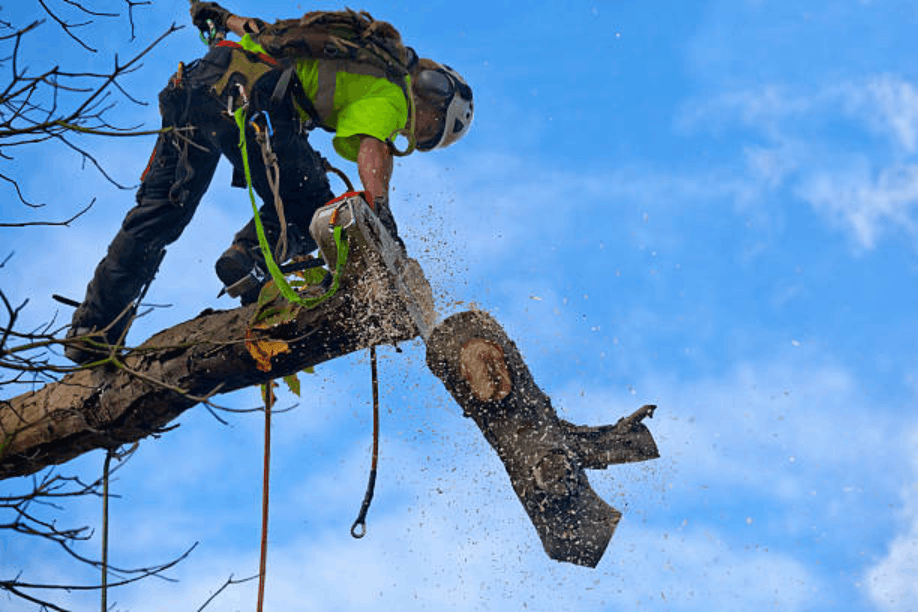
To prevent this, the crew will use heavy-duty rigging. They will climb the surrounding healthy trees (or use a bucket truck) to attach thick ropes and pulleys to the fallen tree. They will secure the heavy wood so it cannot shift. Once the tree is perfectly supported by the ropes, they will carefully make small relief cuts with their chainsaws. Piece by small piece, they will lift the heavy wood up and away from your house, slowly lowering it to the ground.
Understanding the Costs: Why Emergency Work is Expensive
Let’s talk about money. Dealing with a tree disaster is stressful enough without worrying about the bill, but it is important to understand how the pricing works.
According to local home service data, the average cost for a standard tree removal in Wichita runs somewhere between $507 and $634. However, that is the price for a straightforward job scheduled on a sunny Tuesday afternoon.
When you need an emergency tree service in the middle of a thunderstorm, the price is going to be significantly higher, sometimes double or triple the normal rate.
Why does it cost so much more? You are paying for the extreme risk the crew is taking. Working in the dark, on a slippery roof, with tension-loaded wood and heavy machinery is incredibly dangerous. You are also paying for the immediate mobilization of a full crew who had to leave their beds to come save your house.
The good news? If the tree falls on a covered structure like your home or your garage, your homeowner’s insurance will almost always cover the cost of the tree removal and the roof repairs, minus your deductible.
The Cleanup and the Aftermath
Once the emergency crew gets the heavy weight off your roof, they usually will not haul the wood away in the middle of the night.
Their main goal at 3:00 AM is just to stabilize the situation and make your home safe. They will carefully lower the branches and logs to your front grass, out of the way. Then, they will likely help you secure a heavy-duty waterproof tarp over the hole in your roof to stop the rain from destroying the inside of your house.
The next day, during normal daylight hours, the crew will return with their massive woodchippers and dump trucks. They will run all the branches through the chipper, load up the heavy trunk logs, and rake your yard completely clean.
How to Prevent Future Midnight Disasters
While you cannot stop a tornado or a 70-mph straight-line wind from hitting Wichita, you can absolutely control how strong the trees in your yard are. A healthy tree can survive almost anything. A sick, ignored tree will fall apart in a strong breeze.
The absolute best way to avoid needing an emergency tree crew is to stay proactive.
Have a professional arborist thin out the branches of your large shade trees every three to five years. When a tree canopy is too thick, the wind cannot blow through the leaves. Instead, the wind hits the tree like a giant green sail, pushing it with incredible force until the roots snap. Proper pruning allows the wind to blow harmlessly through the branches.
Warning Signs a Tree Might Fall Soon
| Warning Sign | What to Look For | What it Means for the Tree |
| Ground Heaving | The dirt around the base of the trunk is lifting up or cracking. | The main anchor roots are snapping. The tree is completely unstable. |
| Fungal Growth | Large mushrooms growing right at the base of the trunk. | The inside of the trunk is rotting and turning hollow. |
| V-Shaped Cracks | Deep vertical splits where two large branches meet. | The wood has lost its structural integrity and will split soon. |
| Dead Branches | Large sections of the tree have no leaves in the summer. | The branches are dead, brittle, and ready to snap in the wind. |
Getting Through the Storm
Waking up to a tree crashing into your house is one of the most terrifying experiences a homeowner can face. It leaves you feeling completely helpless.
But you don’t have to face it alone. By understanding what constitutes a real emergency, keeping away from power lines, and knowing exactly what to expect from a professional crew, you can take control of the situation.
Never try to cut the wood yourself, and never hire an uninsured amateur. Let the seasoned local professionals like Kansas Tree Experts handle the heavy lifting, and your home will be safe and secure before the sun even comes up.
When you hire us, we give you a straight-talk price. No games, no hidden fees. We treat your yard with massive respect, and when the heavy lifting is done, we clean up the mess so well you won’t even know we were there. If you need honest help in a crisis, contact us today to get the best crew in Wichita on your side.
Frequently Asked Questions
Does my homeowner’s insurance cover emergency tree removal?
Yes, in most cases. If the tree physically damages a covered structure like your roof, detached garage, or fence, your policy usually pays for the removal and repairs, minus your deductible. If it just hits the grass, you pay.
How fast will an emergency tree crew get to my house?
It depends on the severity. If a tree is actively crushing your living room, crews treat it as a top priority and often arrive within hours. If it’s just blocking a driveway, you might wait until the morning.
Should I try to move the fallen branches myself?
No. Storm-damaged trees hold a massive amount of physical tension. If you try to pull or cut branches, the trunk can suddenly snap back or roll, causing severe injury. Always let the trained professionals handle the heavy lifting.
What happens if the tree falls on a power line?
You must call your local utility company immediately. A private tree service cannot legally or safely touch a tree tangled in live electrical wires. The utility crew will cut the power and clear the lines for free.
Why does emergency tree work cost more than normal removal?
Emergency jobs are incredibly dangerous. Crews are working in the dark, often in the rain, navigating slippery roofs and unstable, tension-loaded wood. You are paying for immediate dispatch, specialized hazard equipment, and highly trained experts taking on extreme risks.
Can a leaning tree be saved instead of removed?
It is very rare. If a tree suddenly leans after a storm and the dirt is lifting around the base, the main anchor roots have snapped. Once those thick roots break, the tree is permanently unstable and must come down.

