
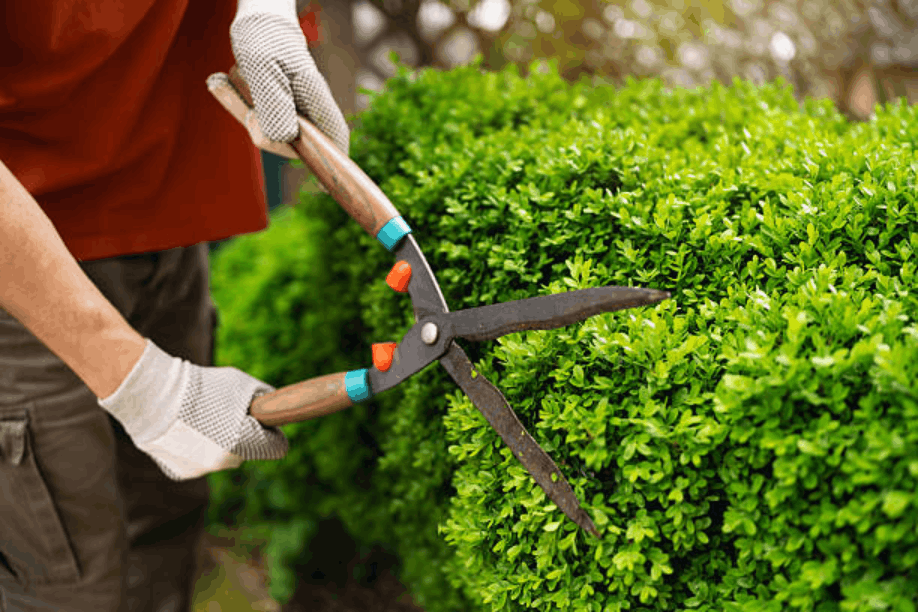
Walk out your front door and take a good look at your yard. Are your bushes starting to swallow up your front porch? Are the shrubs lining your driveway scratching against your car doors every time you pull in?
We have all been there. You plant a few cute, tiny bushes to make your house look nice. Then, a couple of years go by, and suddenly they are massive, unruly monsters.
When your yard gets out of hand, it is time to call in some backup. But picking a random name out of a Google search can be incredibly risky. Letting a stranger loose on your property with sharp tools and heavy machinery is a big deal. If they don’t know what they are doing, they can permanently butcher your landscaping, damage your house, or even leave you legally liable if they get hurt.
So, how do you weed out the amateurs from the pros?
If you are looking for shrub trimming companies in Wichita, you need a game plan. In this guide, we are going to give you the ultimate homeowner’s checklist. We will explain exactly what questions you need to ask, how to spot a scam, and the secrets to keeping your bushes looking fantastic all year long.
Why You Shouldn’t Just Hire the “Guy with a Truck”
Let’s be honest. Anyone can drive to a local hardware store, buy a pair of electric hedge trimmers, and call themselves a landscaping company. Because of this, the yard care industry is flooded with guys looking to make a quick buck on a Saturday afternoon.
It is really tempting to hire the guy who knocks on your door offering to trim your bushes for fifty bucks. But taking the cheap route usually ends up costing you way more in the long run.
Here is why: tree and shrub work is actually very dangerous. According to the Tree Care Industry Association (TCIA), over 50% of severe yard-care accidents happen to everyday homeowners and untrained workers using ladders and cutting tools.
If you hire an untrained guy off the street and he accidentally slices his hand open, or he falls off a wobbly ladder in your front yard, guess who pays his medical bills? If he does not have his own workers’ compensation insurance, you can be sued for his injuries. Your homeowner’s insurance will have to take the hit.
On top of the safety risks, an amateur doesn’t understand plant biology. If they hack your bushes back too far at the wrong time of year, the plants will die. Then, instead of paying for a simple trim, you have to pay hundreds of dollars to rip out dead roots and buy brand-new plants.
The Ultimate Checklist for Choosing a Shrub Trimming Company
Before you agree to let anyone touch your yard, you need to treat the process like a job interview. A true professional will gladly answer all of your questions. An amateur will get annoyed and try to rush you.
Here is the exact checklist you should use when evaluating shrub trimming companies in Wichita.
1. Ask for Actual Proof of Insurance
This is the single most important rule. The company must have two types of insurance: General Liability (in case they break your window) and Workers’ Compensation (in case their employee gets hurt). Do not just take their word for it. Ask them to email you their “Certificate of Insurance” before they start working. If they make excuses, shut the door and call someone else.
2. Get a Detailed, Written Quote
Never do yard work on a verbal handshake. You need a piece of paper or a digital email that spells out exactly what they are going to do. The quote should list which specific bushes are being trimmed and exactly how much it will cost. If the quote just says “yard cleanup – $300,” that is way too vague.
3. Ask About the Cleanup Process
This is where shady contractors love to trick homeowners. They will give you a great price to trim your bushes. But once the branches are on the ground, they will say, “Oh, hauling the brush away is an extra $200.” Your written quote must explicitly say that the price includes racking up the clippings and hauling all the debris away from your property.
4. Ask About Their Trimming Techniques
A good company knows the difference between shearing and pruning. Ask them how they plan to shape the bushes. If they say they are just going to run a gas-powered trimmer over everything to make them look like perfectly round meatballs, that is a red flag. We will explain exactly why that is bad for your plants in the next section!
Red Flags vs. Green Flags When Hiring
| What the Contractor Says | What It Actually Means | Red Flag or Green Flag? |
| “I’ll just buzz everything down so it’s small again.” | They don’t understand plant health and will likely shock or kill the bush. | 🚩 Red Flag |
| “I have my insurance paperwork right here in my truck.” | They are prepared, professional, and ready to protect your property. | 🟩 Green Flag |
| “I need a 50% cash deposit before I can start trimming.” | They might take your money and never come back. Pros get paid when the job is done. | 🚩Red Flag |
| “We will rake the flowerbeds and haul all the clippings away.” | They respect your home and provide a full-service experience. | 🟩 Green Flag |
Why Bad Trimming Ruins Good Shrubs
To make sure you are hiring the right crew, you need to understand a little bit of basic plant biology.
Have you ever seen a row of hedges in a neighborhood that looks completely green on the top, but the bottom half is just a bunch of ugly, bare, dead twigs?
This happens because an amateur trimmer shaped the bush like an ice cream cone—wider at the top and narrow at the bottom. When the top of a bush is wider than the bottom, it acts like a giant umbrella. It blocks all the sunshine from reaching the leaves on the bottom of the plant. Without sunlight, those lower leaves starve, die, and fall off.
The A-Frame Secret
If you want thick, lush, green bushes all the way down to the dirt, they must be shaped like a pyramid or an “A-frame.” The bottom of the shrub must always be slightly wider than the top. This angled shape allows the sun to hit every single leaf perfectly. A professional company knows this rule and will always trim your hedges at a slight angle to keep them healthy.
You also want a company that doesn’t just use loud electric shears. While shears are great for shaping the outside, a true pro will also grab a pair of hand snips and reach deep inside the bush. By selectively cutting a few branches out of the middle, they allow fresh air to blow through the plant. This stops mold, mildew, and fungal diseases from growing inside the dark, damp center of your shrub.
Bundle Your Services: Shrub and Tree Trimming Together
If you have a company coming out to fix your bushes, take a look at the trees in your yard, too.
Do you have tree branches hanging over your roof? Are your shade trees getting a little too thick and blocking the breeze?
When you hire a crew to do shrub and tree trimming at the exact same time, you almost always save money. The company already has their trucks, woodchippers, and crew mobilized at your house. It is much cheaper for them to do all the work in a single day than it is for you to call them back out three months later to fix a tree.
Handling your bush and tree trimming all at once instantly boosts your home’s curb appeal, makes your yard safer for the upcoming storm season, and gets all the messy yard work out of the way in just one afternoon.
The Best Times to Trim Common Wichita Shrubs
| Type of Shrub | When to Trim It | Why This Timing Works |
| Spring Bloomers (Lilac, Forsythia) | Late Spring | Trim immediately after the flowers drop so you don’t cut off next year’s blooms. |
| Summer Bloomers (Rose of Sharon) | Late Winter | Trim while the plant is asleep (dormant) to encourage massive summer flowers. |
| Evergreen Hedges (Boxwood, Yew) | Early to Mid-Spring | Gives the plant plenty of time to push out fresh green growth before the summer heat. |
| Dead or Broken Branches | Anytime | Dead wood is dangerous and invites bugs. Cut it out the moment you see it! |
Reclaiming Your Weekend
Taking care of an overgrown yard doesn’t have to be a nightmare. You don’t have to spend your entire Saturday wrestling with a pair of dull clippers and hauling trash bags full of sticks to the curb.
By using the checklist in this guide, you can confidently hire Kansas Tree Experts to do the job safely and correctly. Remember to always ask for proof of insurance, demand a written quote that includes debris cleanup, and make sure they understand how to shape a bush, so it stays healthy.
Hand the hard work over to the local pros, grab a cold drink, and enjoy looking at your perfectly manicured yard!
If you want to get your yard in perfect shape without stress, we would love to help. Feel free to contact us today to schedule a free, no-pressure walk-through of your property.
Frequently Asked Questions
How much does professional shrub trimming usually cost?
It depends heavily on the size and number of bushes. A small row of hedges might cost around $100 to $200, while a massive, overgrown yard requiring heavy machinery and hauling could cost several hundred dollars. Always get a free written quote first.
When is the best time to trim bushes in Wichita?
It depends on the plant! Shrubs that bloom in the spring should be trimmed right after their flowers fall off. Evergreens and summer-blooming bushes are usually best trimmed in late winter or early spring before the intense Kansas heat arrives.
Do I need to be home when the crew is working?
You don’t absolutely have to be home, as long as the crew has access to your yard and the gates are unlocked. However, being home is a great idea so you can answer questions and do a final walk-through to ensure you love the results.
What is the difference between trimming and pruning?
Trimming is usually cosmetic, like using electric shears to give a hedge a neat, uniform shape. Pruning is about health, where a professional selectively cuts out dead, diseased, or crossing branches from the inside of the plant to help it grow stronger.
Will the company haul the branches away for me?
A reputable, professional company will always include hauling in their price. They will take up the clippings, run large branches through a woodchipper, and leave your yard spotless. Always confirm this is written in your estimate!
Does trimming actually help bushes grow faster?
Yes, it does! When you trim away from the dead or dying ends of a branch, the plant stops wasting energy on the sick parts. It redirects all that energy into pushing out fresh, thick, and healthy new green growth.

