
Let’s be honest. One of the absolute best parts about living in the Midwest is watching the seasons change. When October finally rolls around in Wichita, the brutal summer heat breaks, the air gets crisp, and the trees are supposed to put on a spectacular light show.
But have you ever driven through your neighborhood and noticed something strange?
One house has a massive oak tree blazing with brilliant reds and fiery oranges. It looks like it belongs on a postcard. But right next door, the exact same type of tree just turns a dull, muddy brown, or completely drops its leaves before Halloween even arrives.
Why does that happen? Are some people just lucky?
The short answer is no. The secret to getting those jaw-dropping fall colors isn’t magic, and it isn’t just about tree genetics. It all comes down to tree health. A tree that is stressed out, thirsty, or hungry simply cannot produce vibrant colors.
According to the U.S. Forest Service, healthy, mature trees can boost your property value by up to 10%. But beyond just property value, beautiful trees make your yard a place you want to spend time in.
In this guide, we are going to pull back the curtain on exactly how fall colors work and give you the ultimate tree care blueprint to make your yard the most spectacular one on the block next autumn.
The Simple Science Behind Fall Colors
To understand how to make your trees look better, you must understand what is happening inside the leaves. Do not worry, we will keep this simple!
Throughout the spring and summer, tree leaves are packed with a chemical called Chlorophyll. This is what makes leaves green. Chlorophyll is like a tiny solar panel that catches sunlight and turns it into food for the tree.
But hiding underneath that bright green color are two other amazing pigments:
- Carotenoids: These pigments create yellow and orange colors. (Fun fact: this is the exact same chemical that makes carrots orange!) These colors are actually inside the leaf all summer long, but the overwhelming green chlorophyll covers them up.
- Anthocyanins: These pigments create brilliant, show-stopping reds and deep purples. Unlike the yellows, the tree does not keep these around all year. The tree only manufactures red pigments in the fall when the weather starts to get chilly. They act like natural sunscreen to protect the tree as it gets ready for winter.
When fall arrives and the days get shorter, the tree knows winter is coming. It stops making green chlorophylls. As the green fades away, the hidden yellows and oranges are finally revealed, and the tree starts pumping out those brilliant reds!
Why Do Some Trees Fade to a Disappointing Brown?
If every tree has these pigments, why do some of them look so terrible in the fall?
Here is the most important takeaway from this entire guide: Only healthy, well-fed trees have the energy to manufacture bright red and purple colors.
If your tree was fighting for its life all summer, it will not put on a good show in the fall. In fact, studies show that trees experiencing severe summer drought can lose up to 40% of their fall color vibrancy. When a tree is stressed, it panics. Instead of slowly changing colors, it just turns brown and drops its leaves as fast as possible to save energy.
Living in Wichita, Kansas, our trees face a lot of stress. We have blistering heat waves, sudden droughts, and heavy clay soil that chokes tree roots. If you want better fall color, you have to protect your trees from these specific Midwest stressors.
Step 1: Feed Your Trees (The Right Way)
If you want massive color next fall, you have to feed your trees this fall.
Fertilizing your trees in late October or November is the single best thing you can do for them. When the weather gets cold, trees stop growing new leaves. Instead, they send all of their energy down underground to grow their roots.
If you give them fertilizer right now, they will soak it up like a sponge. They will store all of those nutrients in their roots all winter long. When spring arrives, they will explode with incredibly healthy, large green leaves. And when fall rolls around again, they will have massive amounts of stored energy to create those bright red and orange pigments.
Skip the Spikes
Do not just buy those cheap fertilizer spikes from the hardware store and hammer them into the grass. Those only feed the top two inches of dirt, which means your lawn gets the food, not your tree.
You need professional “Deep Root Fertilization.” This is a process where an expert uses a specialized liquid tool to inject high-quality nutrients about eight inches deep into the soil, exactly where the tree’s feeder roots are waiting.
Step 2: Fix the Dirt (The Iron Problem)
Sometimes, the problem isn’t a lack of food. Sometimes, the dirt itself is broken.
Here in the Wichita area, our soil has a very high pH level. It is very alkaline. When soil is too alkaline, it physically locks up important minerals, so the tree roots cannot drink them.
The most common victim of this is Iron. Trees need iron to stay green and healthy. When a tree cannot get enough iron out of the dirt, it develops a sickness called Iron Chlorosis. You will know your tree has it if the leaves turn a sickly, pale yellow in the middle of July while the leaf veins stay dark green.
If your tree has iron chlorosis, it will never give you a good fall color display. It will just look tired and sick. A certified arborist can test your soil and inject specific iron treatments directly into the trunk or the roots to cure this issue, guaranteeing a much better color next year.
Step 3: Prune for Sunlight
Did you know that sunlight actually makes leaves turn redder?
It is completely true. The red pigments (anthocyanins) need direct, bright sunlight to develop fully. If a tree has a massive, wildly overgrown canopy, the leaves on the outside will turn red, but the leaves hidden on the inside of the tree will stay dull or turn brown because they are sitting in the shade.
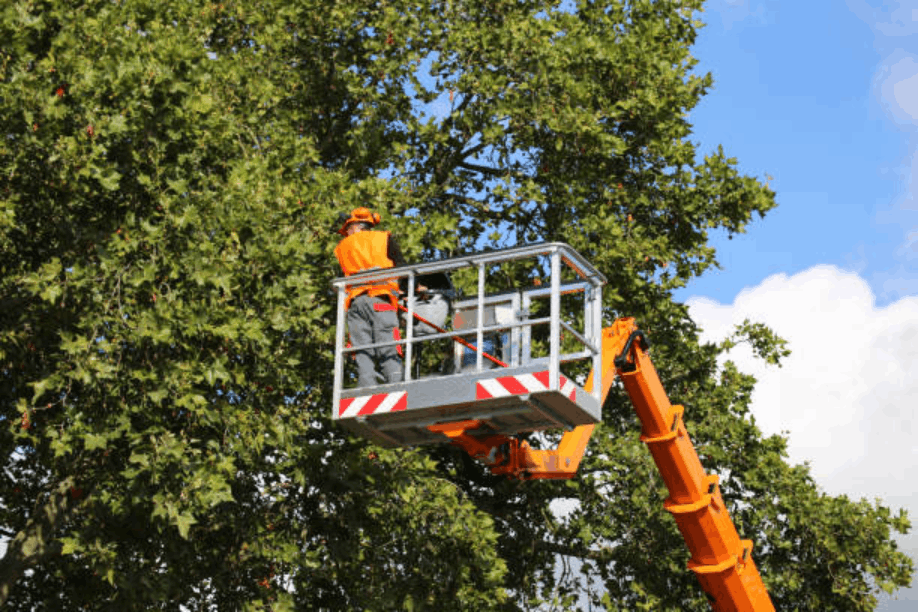
By having your trees professionally pruned, you can open the canopy. A good tree trimmer will remove the dead, crossing, and crowded branches from the middle of the tree. This allows fresh wind and bright sunlight to reach the inner leaves, resulting in a much brighter, fully colored tree.
Expert Tip: The absolute best time to prune your shade trees is in the dead of winter (January or February) while the tree is totally asleep.
Best Trees for Spectacular Fall Color in Kansas
If you are looking to plant a new tree in your yard, pick a winner! Here are the most reliable trees for brilliant fall colors in our specific climate.
| Tree Name | Expected Fall Color | Why It Thrives in Kansas |
|---|---|---|
| Sugar Maple | Blazing Orange and Red | Very tough but requires good water during deep summer droughts. |
| Red Oak | Deep Crimson and Russet | Extremely adaptable to heavy clay soils and high winds. |
| Ginkgo | Brilliant Golden Yellow | Practically immune to all bugs and diseases; survives anything. |
| Sweet Gum | Multi-colored (Red, Purple, Yellow) | Gorgeous color but requires iron treatments in highly alkaline soils. |
Step 4: Master the Summer Watering Schedule
How you treat your trees in August dictates how they look in October.
Wichita is famous for its heavy clay soil. Clay soil is incredibly dense. It acts like a sponge, holding onto water for a very long time, but it takes forever to actually soak in.
If you just run your lawn sprinkler for five minutes a day, the water never reaches the deep tree roots. It just evaporates in the sun. The tree becomes severely dehydrated, which ruins its ability to make fall colors.
To keep your trees hydrated, you need to water them deeply and slowly. Once a week during the hot summer, turn your hose on a very slow trickle and leave it sitting at the base of the tree for about 30 to 45 minutes. This forces the water deep into the clay, keeping the roots cool, happy, and stress-free.
The Year-Round Tree Color Calendar
Achieving great color is a marathon, not a sprint. Follow this simple seasonal guide to keep your trees on track.
| The Season | What You Should Do | How It Helps Fall Colors |
|---|---|---|
| Late Fall (Nov – Dec) | Deep Root Fertilization | Stores massive energy reserves in the roots for next year. |
| Winter (Jan – March) | Structural Pruning | Opens the canopy to let sunlight hit the inner leaves. |
| Spring (April – May) | Apply fresh mulch | Keeps the soil moist and prevents weed competition. |
| Summer (July – August) | Deep, slow watering | Prevents heat stress so the tree doesn’t drop leaves early. |
Get Professional Help with Kansas Tree Experts
Taking care of trees is a year-round job. If you want your yard to be the absolute envy of the neighborhood next fall, you cannot wait until October to start caring for your landscaping.
At Kansas Tree Experts, we know exactly what it takes to make Midwest trees thrive. We are your local Wichita neighbors, and we have over 25 years of hands-on experience dealing with our crazy climate, our heavy clay soil, and the specific diseases that target our native trees.
We don’t just cut down dead trees; we specialize in keeping your trees alive, healthy, and beautiful.
Whether you need deep root fertilization to boost your color, winter pruning to let the sunlight in, or specialized iron treatments to cure a sick oak tree, we have the tools and the expertise to do it right. We are fully licensed, heavily insured, and we pride ourselves on giving honest, straight-talk advice without any high-pressure sales tactics.
If you are tired of looking at dull, brown trees and want to unlock the true potential of your yard, contact us today for a free consultation. We would love to help you build a healthier, more vibrant landscape.
Frequently Asked Questions
Can I fertilize in the fall to get a better color this same year?
No. Fall fertilization stores nutrients in the roots to build energy for next year’s growth. The vibrant colors you see this autumn are a direct result of how you cared for the tree over the past spring and summer.
Does watering my trees in October make the colors brighter?
Consistent watering helps, but the most critical time for watering is actually late summer. If the tree suffered severe drought in August, no amount of October watering will bring those lost fall pigments back.
Why do my tree leaves just turn brown and fall off early?
Early leaf drops are the ultimate sign of tree stress. It is usually caused by severe summer heat, lack of deep water, or compacted soil. The tree is abandoning its leaves early to conserve energy and survive.
What is iron chlorosis and how does it ruin fall colors?
Iron chlorosis is a nutrient deficiency caused by highly alkaline soil locking up iron. It turns leaves pale yellow in the summer and completely ruins the tree’s ability to manufacture bright red and orange pigments in the fall.
Should I fertilize my tree in the summer for a better fall color?
Avoid heavy fertilizing in the dead of summer. Summer fertilizer forces the tree to grow new leaves when it is already stressed by the heat. It is always best to apply fertilizer in late fall or early spring.
What is the absolute best tree for red fall color in Wichita?
The Sugar Maple and the Northern Red Oak are top performers. They adapt well to Kansas soils and consistently produce brilliant, fiery red and deep orange colors when properly watered and maintained throughout the year.

