
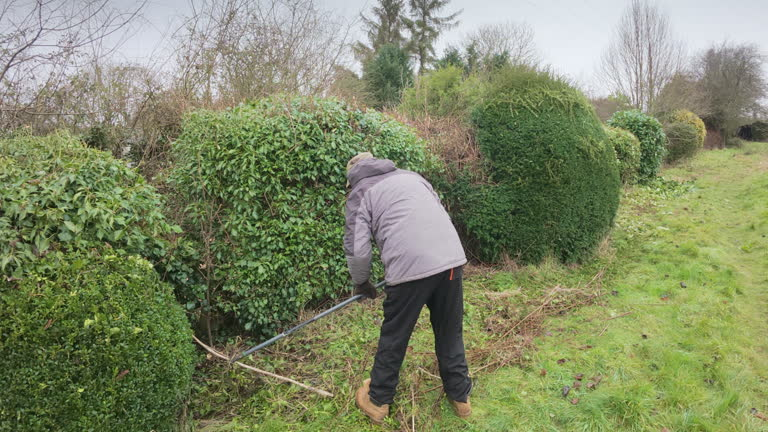
Trees and shrubs can add shade, privacy, structure, and visual interest to a property. However, plants that have become overgrown, damaged, diseased, or poorly positioned may eventually need to be removed. Clearing unwanted vegetation can also be part of a larger property improvement project.
Planning tree shrub removal properly can help property owners understand what needs to be removed, how the work should be performed, and what should happen to the area afterward. Removing a large tree is very different from taking out a small shrub, and the right approach depends on the plant’s size, location, condition, and proximity to buildings or utilities.
For Wichita property owners, local weather conditions, soil conditions, property layout, and future landscaping plans can also influence when and how vegetation should be removed.
This guide explains how to plan a property cleanup involving trees and shrubs, what removal methods may be used, what can affect costs, and how to prepare the property before work begins.
What Is Tree and Shrub Removal?
Tree and shrub removal involves removing unwanted or unsuitable woody plants from a property. The work may include cutting down trees, removing shrubs, extracting or grinding tree stumps, cutting larger branches, and clearing debris.
The scope of a cleanup project can vary significantly.
A small residential project may involve removing a few overgrown shrubs from a garden bed. A larger project may require removing several trees, clearing dense vegetation, and addressing stumps before the property can be landscaped or developed.
Tree Removal
Tree removal generally involves cutting down a standing tree and managing the trunk, branches, and remaining stump. Larger trees require careful planning because their height, weight, branch structure, and location can create additional challenges.
Shrub Removal
Shrub removal is generally smaller in scale but can still require digging, cutting, or mechanical equipment when plants have large root systems or have become heavily established.
Some shrubs can be removed manually, while others may require specialized tools.
Stump Work
After a tree is removed, the stump may remain. Property owners may choose stump grinding or complete stump removal depending on how they plan to use the area.
Why Property Owners May Need Tree and Shrub Removal
There are several reasons a property owner may decide that vegetation should be removed.
Overgrown Vegetation
Trees and shrubs can become difficult to manage when they grow beyond the space available for them. Overgrown shrubs may block walkways, windows, entrances, or other parts of a property.
Trees can also develop branches that extend toward structures, utility lines, or areas where they create maintenance challenges.
Dead or Severely Damaged Plants
Dead trees and shrubs can become unstable over time. Storm damage can also leave broken branches or damaged stems that require attention.
A damaged tree should be assessed based on its condition and location rather than simply removed because it looks unhealthy.
Landscaping Changes
Property owners sometimes remove established vegetation when redesigning their yards.
A cleanup project may be part of plans to:
- Install a new lawn
- Create a garden
- Improve drainage
- Build a patio
- Install a fence
- Open a previously shaded area
- Improve access to a structure
- Prepare an area for new landscaping
Property Development
Construction or renovation projects may require vegetation to be cleared before work begins. Trees and shrubs located within a proposed building footprint or access area may need to be addressed before construction.
How to Assess Trees and Shrubs Before Removal
Before planning tree shrub removal, property owners should evaluate the plants and their surroundings.
Consider the Plant’s Condition
Look for obvious signs of decline, including:
- Dead branches
- Broken limbs
- Significant trunk damage
- Hollow or decayed areas
- Fungal growth
- Extensive dieback
- Severe storm damage
These signs do not automatically mean removal is necessary. An appropriate assessment should consider the overall condition and potential risks.
Consider the Location
Location is particularly important when planning tree removal.
A tree near a house, garage, fence, road, driveway, utility line, or pedestrian area requires more planning than one standing in an open section of a property.
Shrubs can also cause problems when planted close to foundations, walkways, air-conditioning equipment, or utility access points.
Consider the Future Use of the Space
Think about what will happen after the plants are removed.
For example, if the property owner plans to install a patio, simply cutting a tree down may not be enough. The stump and potentially some roots may also need to be addressed.
Planning the final use of the area before removal can prevent unnecessary work later.
How to Plan a Property Cleanup
A structured approach can make a vegetation cleanup easier to manage.
Step 1: Identify What Needs to Be Removed
Walk through the property and identify trees and shrubs that are dead, damaged, overgrown, unwanted, or interfering with planned improvements.
Separate plants that definitely need attention from those that may simply need pruning.
Step 2: Map the Work Area
Identify structures and features near the plants.
These may include:
- Homes
- Garages
- Sheds
- Fences
- Driveways
- Sidewalks
- Utility lines
- Irrigation systems
- Retaining walls
- Garden beds
This information can help determine how the removal should be approached.
Step 3: Consider Access
Tree removal equipment may need to enter the property. Narrow gates, steep slopes, landscaping, parked vehicles, and other obstacles can affect equipment access.
If access is limited, discuss this before the project begins.
Step 4: Plan Debris Management
Removing a tree or multiple shrubs can create a significant amount of organic material.
Decide whether debris will be:
- Removed from the property
- Chipped
- Cut into manageable pieces
- Used as mulch where appropriate
- Disposed of separately
The cleanup plan should be clarified before work begins.
Step 5: Plan the Restoration
Consider what the property should look like after the removal.
The restoration may include:
- Filling holes
- Removing wood chips
- Adding soil
- Leveling the area
- Planting grass
- Installing mulch
- Replanting shrubs
- Preparing for hardscaping
What Methods Are Used for Tree and Shrub Removal?

The appropriate method depends on the size, species, condition, and location of the vegetation.
Manual Removal
Small shrubs and young trees may sometimes be removed using hand tools. This can involve cutting stems and digging around the root system.
Manual removal is generally more practical for smaller plants.
Mechanical Removal
Larger vegetation may require specialized equipment. Mechanical tools can help cut, move, grind, or remove larger woody material.
The equipment used depends on the project and available access.
Sectional Tree Removal
Large trees located near structures cannot always be safely brought down in one piece. Instead, the tree may be dismantled in sections.
Branches and sections of the trunk are removed progressively to control where material lands.
Stump Grinding
After tree removal, stump grinding can reduce the remaining stump below the ground surface. The resulting wood chips can then be managed as part of the cleanup.
Tree Removal vs. Shrub Removal
Although both are forms of vegetation removal, trees and shrubs often require different approaches.
| Factor | Tree Removal | Shrub Removal |
|---|---|---|
| Typical size | Larger and taller | Usually smaller |
| Equipment | May require specialized tree equipment | Often requires smaller tools or equipment |
| Main concerns | Falling branches, trunk sections, structures, utilities | Root systems, access, surrounding landscaping |
| Debris | Trunk, branches, wood chips | Branches, stems, roots |
| Stump work | Often required | May involve root removal |
| Access | Frequently important | Usually less demanding |
| Restoration | May require stump and ground restoration | Often involves soil and landscape-bed restoration |
The two types of work can be combined into one property cleanup project when several areas need attention.
When Is the Best Time for Tree and Shrub Removal?
There is no universal season that is best for every removal project.
The appropriate timing depends on the plant, its condition, weather, property access, and the owner’s plans.
Spring
Spring can be useful for property cleanup and landscaping preparation. However, wet ground can sometimes affect access for heavy equipment.
Summer
Summer offers long daylight hours for outdoor projects. Heat and dry conditions may affect working conditions and should be considered when scheduling larger projects.
Fall
Fall can be a practical time to clear unwanted vegetation before winter and prepare an area for future landscaping.
Winter
Winter removal may be possible depending on weather and site conditions. Dormant vegetation can sometimes make certain projects easier to plan, but frozen or wet ground can affect equipment access.
If a tree has become an immediate safety concern, waiting for a particular season may not be appropriate.
What Affects the Cost of Tree and Shrub Removal?
The cost of a property cleanup varies according to the work involved.
Important factors can include:
Number of Plants
Removing one small shrub is very different from clearing several trees and a large group of established shrubs.
Size and Height
Larger trees generally require more labor and specialized equipment than smaller trees.
Location
Plants near buildings, fences, utility lines, roads, or other structures may require additional planning.
Accessibility
Difficult access can affect the type of equipment that can be used and how material is moved from the property.
Root Systems
Established shrubs and trees can have extensive roots. If complete removal is required, root excavation can increase the amount of work.
Stump Removal
Tree removal estimates may not automatically include stump grinding or complete stump extraction. Property owners should ask whether stump work is included separately.
Cleanup and Disposal
The amount of debris produced can influence the overall project requirements. Ask whether hauling, chipping, or other disposal services are included.
How to Prepare Your Property for Removal
Property owners can take several steps before the crew arrives.
Move Outdoor Items
Remove furniture, toys, decorations, tools, vehicles, and other movable items from the work zone.
Keep Access Routes Clear
If equipment needs to reach the backyard, make sure the intended access route is available.
Identify Irrigation Systems
If the property has underground irrigation, identify the system before digging or operating equipment.
Discuss Utility Lines
Utility lines should be considered when planning work near structures or other service areas.
Protect Valuable Landscaping
Tell the service provider about plants or landscape features that should remain. This helps establish which areas are part of the work zone.
What Happens After Tree and Shrub Removal?
Removal is only one part of a complete property cleanup.
Debris Cleanup
Branches, trunks, roots, and shrub material need to be managed after removal. The appropriate disposal method depends on the type and amount of debris.
Stump Treatment
If trees were removed, the remaining stumps can be ground or removed depending on the property’s future use.
Soil Restoration
Removing established plants can leave holes or disturbed soil. The area may need additional soil and leveling.
New Landscaping
Once the area has been prepared, property owners can decide whether to install grass, mulch, plants, or another landscape feature.
DIY Removal vs. Professional Tree Services
Small shrubs may sometimes be manageable as a DIY project. However, larger trees present substantially different risks.
Tree removal can involve heavy branches, unstable trunks, power equipment, and nearby structures. Incorrect cutting techniques can cause branches or sections of a tree to fall unpredictably.
Property owners should be particularly cautious when working near:
- Electrical lines
- Buildings
- Roads
- Vehicles
- Fences
- Neighboring properties
- Sloped ground
For larger trees or difficult locations, professional tree services can provide the equipment and experience needed to plan the work.
How to Choose a Tree and Shrub Removal Service in Wichita
When comparing tree and shrub removal services, property owners should focus on the scope of work rather than price alone.
Ask What Is Included
Clarify whether the estimate includes cutting, removal, stump grinding, debris cleanup, hauling, and site restoration.
Ask About Equipment
The company should have equipment appropriate for the size and location of the project.
Discuss Property Protection
Ask how the work will be performed around structures, landscaping, driveways, fences, and other property features.
Confirm Insurance
Tree removal involves potential property and equipment risks. Property owners should confirm that the company has appropriate insurance coverage.
Request a Clear Estimate
A written estimate can make it easier to understand exactly what work is included and whether additional services are priced separately.
Kansas Tree Experts and Property Cleanup
Kansas Tree Experts provides tree-care services in the Wichita area, including tree removal, tree trimming, stump grinding, commercial tree services, emergency tree services, and land and bush clearance.
These services can be relevant when a property cleanup involves multiple types of vegetation. However, the appropriate service depends on the condition and location of the trees and shrubs and what the property owner plans to do with the area afterward.
Kansas Tree Experts can be a local resource for property owners researching tree-care options in Wichita. Before beginning a project, property owners should discuss the plants that need to be removed and the condition of the surrounding property.
Conclusion
Planning tree shrub removal involves more than simply cutting down unwanted vegetation. Property owners should consider the condition and location of each plant, equipment access, nearby structures, utility concerns, debris management, stump work, and the future use of the cleared space.
A well-planned cleanup can make it easier to transition from removal to the next stage of the property project, whether that means restoring a lawn, creating a new landscape bed, improving access, or preparing for construction.
Kansas Tree Experts offers tree-care services in the Wichita area, including tree removal, stump grinding, tree trimming, and land and bush clearance. Property owners considering a larger cleanup can review the available services and contact us through Kansas Tree Experts to discuss the requirements of their property.
Frequently Asked Questions
What is tree and shrub removal?
Tree and shrub removal is the process of removing unwanted, damaged, dead, or overgrown trees and shrubs from a property. The work may also include stump grinding and debris cleanup.
How do I know if a tree should be removed?
Signs such as severe structural damage, extensive decay, major storm damage, or significant interference with structures may indicate that a tree needs professional assessment. Not every damaged or unhealthy tree automatically requires removal.
Is shrub removal different from tree removal?
Yes. Shrubs are generally smaller, but established shrubs can still have substantial root systems. Tree removal often requires additional planning because of the height, weight, and potential fall zone of the tree.
How much does tree and shrub removal cost?
There is no universal price. Costs can depend on plant size, quantity, location, accessibility, equipment requirements, root systems, stump work, and debris disposal.
What is the best time for tree shrub removal?
Removal can be performed at different times of the year depending on weather, ground conditions, plant condition, access, and project requirements. Safety concerns should generally be addressed regardless of season.
Do I need to remove the stump after removing a tree?
Not always. A stump can remain if it does not interfere with the property’s use. However, stump grinding or removal may be appropriate if the area will be landscaped, developed, or used for another purpose.
Can I remove a large tree myself?
Large tree removal can involve significant risks, especially near buildings, utility lines, roads, and other structures. Professional assessment and equipment may be appropriate for larger or complicated trees.
What should I do with tree and shrub debris?
Depending on the material and local requirements, debris may be chipped, hauled away, cut into manageable pieces, or used as mulch where appropriate. Disposal arrangements should be confirmed before the project begins.
Does removing a tree damage the lawn?
Tree removal can disturb the lawn depending on equipment access, tree size, stump work, and the removal method. Planning access routes and discussing lawn protection beforehand can help reduce unnecessary disturbance.
Can I plant a new tree after removing an old one?
Potentially, but the planting location should be evaluated. Remaining roots, soil conditions, the previous tree’s condition, and the requirements of the new tree can affect whether the same location is suitable.

