
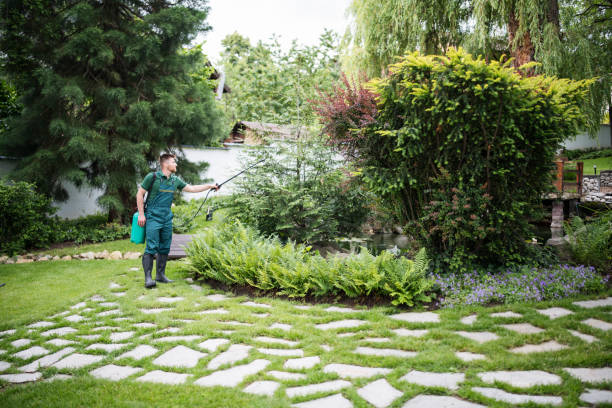
Commercial tree service refers to tree care performed on business properties, multi-unit developments, managed properties, HOAs, and other non-residential sites. The work can include tree trimming, tree removal, stump grinding, storm cleanup, and other forms of ongoing tree maintenance.
Unlike tree care at a typical residential property, commercial tree work may involve larger sites, multiple trees, parking areas, sidewalks, entrances, buildings, landscaping, and areas used by employees, customers, tenants, or visitors.
A commercial tree service plan should therefore consider more than the condition of individual trees. Property access, pedestrian areas, vehicle traffic, structures, utilities, landscaping, and scheduling can all influence how tree work should be planned.
For property owners and managers, the goal is generally to maintain trees while addressing conditions that could create safety, access, maintenance, or property-management concerns.
Why Do Commercial Properties Need Regular Tree Care?
Trees can provide shade, visual interest, and environmental benefits, but they also require ongoing maintenance. Branches can become damaged, trees can develop structural problems, and roots or fallen debris can interfere with areas around a property.
Regular commercial tree care helps property owners identify maintenance needs before they become larger problems.
Some common reasons for scheduling tree maintenance include:
- Removing dead or damaged branches
- Maintaining clearance around buildings and walkways
- Managing branches near parking areas
- Addressing storm-damaged trees
- Removing hazardous or declining trees
- Grinding stumps after tree removal
- Maintaining access around commercial buildings
- Managing overgrown vegetation
- Preparing a property for landscaping or construction work
A scheduled approach can also make tree-related work easier to coordinate with other property maintenance activities.
What Does Commercial Tree Service Include?
The exact services depend on the property and the condition of its trees. A commercial program may involve several different types of work.
Commercial Tree Trimming
Tree trimming removes selected branches to address clearance, deadwood, structural concerns, or excessive growth.
On commercial properties, trimming may be needed around:
- Sidewalks
- Parking lots
- Building entrances
- Driveways
- Signs
- Rooftops
- Outdoor gathering areas
- Other areas requiring clearance
The objective is not simply to remove as many branches as possible. Appropriate trimming should consider the tree’s structure, location, condition, and intended clearance.
Tree Removal
Tree removal may become necessary when a tree is dead, severely damaged, unstable, diseased, or positioned where it creates an unacceptable property concern.
Commercial removal can be more complicated than residential removal because of nearby buildings, vehicles, pedestrians, landscaping, and limited access.
The removal process should account for how the tree will be dismantled, where equipment can be positioned, how debris will be handled, and how the surrounding area will be protected.
Stump Grinding
Removing a tree does not necessarily remove the stump. A remaining stump can interfere with mowing, landscaping, pedestrian movement, or future use of the area.
Stump grinding reduces the remaining stump below the surrounding surface so the area can be restored or incorporated into future landscaping.
For commercial properties, stump removal can be particularly useful when the area is located near walkways, parking spaces, entrances, or frequently maintained landscape beds.
Storm and Emergency Tree Work
Severe weather can create immediate tree-related hazards. High winds, ice, heavy precipitation, or other weather events can break limbs or cause trees to fall.
Emergency tree work may involve removing fallen trees, clearing blocked access, or addressing damaged branches that create an immediate concern.
Property managers should avoid allowing employees or customers to approach unstable trees or large fallen branches. The area should be restricted when necessary until the hazard can be assessed.
Kansas Tree Experts lists emergency tree services alongside its commercial tree services, tree trimming, tree removal, and stump grinding services.
Land and Bush Clearance
Some commercial properties require vegetation clearance rather than individual tree maintenance.
Land and bush clearance may be relevant when an area is overgrown, needs to be prepared for another use, or contains vegetation interfering with access and maintenance.
The required approach depends on the size and condition of the vegetation and the intended use of the property.
Which Properties May Need Commercial Tree Service?
Commercial tree service can apply to many different property types. Examples include:
| Property Type | Common Tree Care Needs |
|---|---|
| Office buildings | Trimming, clearance, storm cleanup |
| Retail properties | Parking lot and entrance clearance |
| Apartment communities | Tree maintenance, removal, stump grinding |
| HOAs | Scheduled pruning and hazard management |
| Rental properties | Trimming, removal, and storm-related work |
| Commercial lots | Vegetation and tree maintenance |
| Multi-unit properties | Shared-area tree care |
| Business campuses | Routine maintenance and clearance |
The exact maintenance schedule depends on the number of trees, their species, age, condition, location, and surrounding property use.
Signs a Commercial Property Needs Tree Maintenance
Property owners and managers should regularly observe trees and surrounding areas for visible changes.
Some signs that maintenance may be necessary include:
Dead or Broken Branches
Dead branches can fall during ordinary weather or become more vulnerable during storms. Broken limbs should be assessed, particularly when they are located over areas used by people or vehicles.
Branches Blocking Walkways
Low or overgrown branches can interfere with pedestrian movement. Clearance may be needed around sidewalks, entrances, driveways, and other frequently used areas.
Trees Near Buildings or Parking Areas
Trees growing close to buildings, parked vehicles, or other structures require careful observation. Damaged or unstable branches may create concerns when they extend over these areas.
Leaning or Structurally Compromised Trees
A noticeable lean does not automatically mean a tree must be removed. However, changes in lean, damaged roots, cracks, decay, or significant branch loss can warrant a professional assessment.
Storm Damage
After strong weather, inspect the property from a safe distance. Look for fallen branches, split limbs, hanging branches, exposed roots, or trees that appear unstable.
Remaining Stumps
Old stumps can become obstacles during landscaping and grounds maintenance. They may also interfere with future planting or changes to the property.
How Commercial Tree Service Supports Property Safety


Tree maintenance is one part of overall commercial property management. It should not replace broader inspections or other safety procedures, but it can help address tree-related hazards.
For example, maintaining clearance around pedestrian routes can help keep walkways accessible. Trimming branches away from structures can reduce interference with buildings and other property features. Removing damaged trees can address specific hazards when removal is determined to be appropriate.
Commercial tree care should also account for the people who use the property.
A property manager may need to consider:
- Employees
- Customers
- Tenants
- Visitors
- Delivery vehicles
- Maintenance crews
- Landscaping personnel
The work area should be planned so that people and vehicles are kept away from active tree work.
How Should Commercial Tree Maintenance Be Planned?
A useful maintenance program starts with an assessment of the property’s trees and surrounding conditions.
1. Identify the Trees and Areas That Need Attention
Create a basic list of trees that may require trimming, inspection, removal, or other work.
Prioritize trees located near:
- Buildings
- Parking areas
- Walkways
- Entrances
- Roads
- Outdoor seating
- Utility infrastructure
2. Separate Routine Work From Urgent Issues
Not every tree problem requires immediate removal. Routine trimming can be scheduled, while storm damage or unstable trees may require faster attention.
Separating routine and urgent work can help property managers organize budgets and schedules.
3. Consider Access
Commercial properties can have restricted access because of parked vehicles, buildings, fences, landscaping, or narrow driveways.
Before work begins, determine where workers and equipment can safely operate.
4. Plan Around Property Activity
Tree work may affect entrances, parking areas, sidewalks, or other active portions of a property. Scheduling work during lower-traffic periods may help reduce disruption.
5. Document Completed Work
Keeping records of completed tree maintenance can help property managers track recurring needs. Documentation may include the date, location, type of work, and any recommendations for future maintenance.
What Factors Affect Commercial Tree Service?
There is no single price for commercial tree work because every property is different.
Several factors can affect the scope and cost of a project:
- Number of trees
- Tree height and size
- Tree species
- Tree condition
- Location of the trees
- Accessibility
- Nearby structures
- Required equipment
- Amount of debris
- Stump grinding requirements
- Emergency or routine scheduling
- Cleanup requirements
For example, trimming a few accessible trees in an open area can involve a different level of planning than removing several large trees surrounded by buildings, parked vehicles, or landscaping.
A written estimate can help property owners understand what work is included before scheduling a project.
How to Choose a Commercial Tree Service Provider
Choosing a provider should involve more than comparing prices.
Check Licensing and Insurance
Property owners should ask whether the company is appropriately licensed and insured for the work being performed. Kansas Tree Experts states that it is licensed and fully insured.
Ask What the Estimate Includes
A useful estimate should clearly identify the planned work. Ask whether trimming, removal, debris cleanup, stump grinding, or other requested services are included.
Discuss Property Access
Tell the provider about parking restrictions, gates, narrow access points, customer traffic, or other conditions that could affect the work.
Ask About Cleanup
Tree work can produce branches, leaves, wood pieces, and other debris. Clarify how cleanup and debris removal will be handled.
Consider the Entire Scope of Work
If a property needs several services, ask whether the work can be coordinated into one maintenance plan. This can make scheduling easier and provide a clearer overview of the project’s scope.
Kansas Tree Experts lists tree trimming, tree removal, stump grinding, land and bush clearance, commercial tree services, and emergency tree services among its service offerings.
Commercial Tree Service in Wichita, Kansas
Wichita properties have their own tree maintenance considerations. Commercial sites can include businesses, multi-family properties, HOAs, rental properties, and other managed spaces with trees near buildings, parking areas, sidewalks, and entrances.
Kansas Tree Experts serves Wichita and surrounding communities and specifically lists commercial tree services for businesses, HOAs, and property managers.
Weather is another factor property managers should consider. Storm-related damage can change a property’s tree maintenance needs quickly. A tree that appeared stable before a storm may require inspection afterward if branches have broken or the tree has sustained visible damage.
For commercial properties in Wichita, planning routine maintenance while also having a process for storm-related issues can make tree care easier to manage throughout the year.
Questions to Ask Before Scheduling Commercial Tree Work
Before approving a commercial tree service project, property owners and managers can ask:
- Which trees need work?
- What type of work is recommended for each tree?
- Is trimming or removal the appropriate solution?
- Does the estimate include cleanup?
- Is stump grinding included if a tree is removed?
- What equipment will be needed?
- How will pedestrians and vehicles be kept away from the work area?
- How will access to the property be handled?
- Are there scheduling restrictions?
- Is the company licensed and insured?
- Are there additional services that should be completed at the same time?
- What maintenance should be considered after the project?
These questions can help property managers understand the project before work begins.
Conclusion
Commercial tree care is an important part of managing properties where trees are located around buildings, parking areas, sidewalks, entrances, and other active spaces. A well-planned commercial tree service approach can help property owners address routine trimming, removals, stump grinding, storm damage, and vegetation management based on actual property needs.
The right approach is not necessarily to remove every problematic tree. Instead, property owners should evaluate each situation based on tree condition, location, safety considerations, access, and the property’s intended use.
For businesses, HOAs, rental properties, and other managed properties in Wichita, Kansas Tree Experts provides commercial tree services along with trimming, removal, stump grinding, land and bush clearance, and emergency tree services.
If you are reviewing tree maintenance needs for a commercial property, you can contact us to discuss the work required and request an estimate.
Frequently Asked Questions
What is commercial tree service?
Commercial tree service is tree care performed for businesses, HOAs, property managers, multi-unit properties, and other commercial or managed properties. It can include trimming, removal, stump grinding, storm cleanup, and vegetation clearance.
How often should commercial trees be maintained?
There is no universal schedule for every commercial property. Maintenance frequency depends on tree species, age, condition, growth, location, weather exposure, and property use. Regular inspections can help determine when work is needed.
What does commercial tree maintenance include?
Commercial tree maintenance can include trimming, dead branch removal, clearance work, tree removal, stump grinding, storm cleanup, and other vegetation management services depending on the property.
Should commercial trees be removed or trimmed?
It depends on the tree’s condition and the reason for the work. Trimming may address clearance or selected structural concerns, while removal may be considered when a tree is dead, severely damaged, unstable, or otherwise unsuitable to remain.
Is stump grinding part of commercial tree service?
Stump grinding can be included as part of a commercial tree project, but property owners should confirm whether it is included in the estimate. Kansas Tree Experts lists stump grinding as one of its tree services.
What should I do after a storm damages trees on a commercial property?
Keep people and vehicles away from visibly damaged or unstable trees and branches. Do not attempt to remove large or suspended branches yourself. Arrange for an appropriate tree service assessment, especially when access, buildings, vehicles, or pedestrian areas are affected.
Can commercial tree service include emergency work?
Yes. Emergency tree services can address storm-damaged, fallen, or hazardous trees and branches. The appropriate response depends on the condition of the tree and the immediate property circumstances.
How can property owners prepare for commercial tree work?
Property owners can identify affected trees, discuss access restrictions, move vehicles when necessary, notify tenants or employees, and establish a safe area around the work zone. Discussing these details with the tree service before work starts can help avoid unnecessary disruption.

