
Shrubs and bushes can add privacy, color, structure, and visual interest to a residential property. However, plants that are neglected for too long can become overgrown, damaged, or difficult to manage. In some cases, trimming can restore their shape and health. In other situations, complete shrub removal may be the more practical choice.
For local homeowners searching for shrub removal near me, knowing the difference between removal and routine trimming is an important first step. Not every overgrown shrub needs to be taken out, and not every damaged plant can be corrected with pruning.
The right decision depends on the plant’s condition, size, location, growth pattern, and intended use of the space. Nearby structures, walkways, fences, utility lines, and other landscaping can also influence how the work should be approached.
Kansas Tree Experts provides tree-related services for property owners who need help with vegetation and tree-care concerns. Understanding the basics of shrub removal and bush trimming can help homeowners decide what type of work their property may require.
What Is Shrub Removal?
Shrub removal involves taking an unwanted shrub or bush out of its current location. Depending on the plant and project, this may include cutting back the above-ground growth and addressing the root system or remaining base.
Removal is different from pruning because the goal is not to maintain the existing plant. Instead, the objective is to clear the area for a different purpose.
When Is Shrub Removal Necessary?
Shrub removal may make sense when a plant:
- Has become severely overgrown
- Is dead or declining beyond practical recovery
- Is damaged by disease or environmental conditions
- Is growing into a walkway
- Is interfering with structures
- Has become difficult to maintain
- Is blocking visibility
- Is growing in an unsuitable location
- No longer fits the property’s landscaping plan
The appearance of a shrub alone does not always determine whether it should be removed. A plant that looks unattractive because it has become overgrown may be recoverable through appropriate pruning.
Removing a Dead or Dying Shrub
Dead shrubs no longer provide the benefits associated with healthy landscape plants. They may become brittle and break apart, leave an empty space in the landscape, and make routine maintenance more difficult.
A declining shrub should be evaluated based on the extent of the damage. If only certain branches are affected, selective pruning may be possible. If the entire plant has died or is structurally compromised, removal may be more practical.
What Is Bush Trimming?
Bush trimming is the selective cutting of branches or shoots to control growth, maintain a desired shape, improve clearance, or address damaged plant material.
Unlike removal, trimming leaves the main plant in place.
Routine Bush Trimming
Routine trimming helps manage plants before they become excessively overgrown. Depending on the species, trimming may be used to maintain boundaries along fences, walkways, driveways, and other landscape features.
The timing and amount of trimming should be appropriate for the specific plant. Different shrubs have different growth patterns, and aggressive cutting is not suitable for every species.
Corrective Trimming
Corrective trimming focuses on addressing specific problems.
This may include removing:
- Dead branches
- Broken growth
- Crossing branches
- Weak or poorly positioned stems
- Growth blocking a walkway
- Branches extending into unwanted areas
The purpose should be clear before cutting begins.
Shrub Removal vs. Bush Trimming
The simplest way to understand the difference is to consider whether the homeowner wants to preserve the plant.
If the plant is healthy but overgrown, trimming may be enough. If the plant is dead, severely damaged, poorly located, or no longer wanted, removal may make more sense.
| Consideration | Bush Trimming | Shrub Removal |
|---|---|---|
| Main goal | Maintain or reshape the plant | Clear the plant from the property |
| Plant remains | Yes | No |
| Typical work | Selective branch cutting | Cutting and removal of plant material |
| Best for | Overgrowth and maintenance | Dead, unwanted, or unsuitable shrubs |
| Landscaping impact | Usually limited | Creates an open space |
| Follow-up | Regular maintenance may be needed | Area may need replanting or restoration |
Understanding this distinction can prevent homeowners from paying for unnecessary work or expecting trimming to solve a problem that requires removal.
When Should You Remove a Shrub?
There are several situations where shrub removal may be appropriate.
The Shrub Is Blocking Visibility
Shrubs planted near driveways, corners, sidewalks, or intersections of private access areas can grow into sightlines.
If trimming cannot maintain adequate visibility because the plant continually grows back into the same space, replacement or removal may be worth considering.
The Shrub Is Interfering With a Structure
Overgrown shrubs can press against siding, fences, windows, decks, and other structures.
Constant contact can make maintenance more difficult and may trap moisture or debris against certain surfaces.
Moving or removing the plant may provide better clearance.
The Plant Is in the Wrong Location
A shrub may have been appropriate when it was small but become problematic as it matured.
Growth patterns can change the relationship between a plant and nearby structures. What once seemed like a suitable planting location may eventually become restrictive.
The Shrub Is Severely Damaged
Storms, drought, disease, pests, and physical damage can affect shrubs.
If a plant has extensive damage and is unlikely to recover effectively, removal may be a reasonable option.
You Are Redesigning the Landscape
Homeowners sometimes remove existing shrubs when changing the layout of their property.
A landscape redesign may involve replacing large shrubs with smaller plants, creating a lawn area, improving access, or changing the overall arrangement.
When Is Trimming Enough?
Not every overgrown bush needs to be removed.
The Plant Is Healthy
If the shrub has healthy growth and its primary problem is excessive size, trimming may be the most appropriate solution.
A selective approach can reduce unwanted growth while retaining the plant’s established root system.
Only a Few Branches Are Problematic
A shrub with several branches extending over a walkway may not require complete removal.
Removing the specific branches causing the problem may provide adequate clearance while leaving the remainder of the plant intact.
The Plant Provides a Useful Function
Shrubs can serve practical purposes such as privacy screening, wind buffering, visual separation, and habitat for wildlife.
If the plant is healthy and provides an important function, preservation through appropriate trimming may be preferable to removal.
How Overgrown Shrubs Affect Your Property
An overgrown shrub can create more than an appearance problem.
Reduced Access
Shrubs can narrow walkways, cover steps, or grow across access areas.
Regular trimming can maintain usable paths and reduce the need for people to walk around the vegetation.
Difficult Lawn Maintenance
Dense shrubs can make mowing and edging more difficult.
Grass may also grow beneath the canopy in ways that are difficult to reach with standard equipment.
Hidden Property Damage
Overgrown vegetation can make it harder to see fences, walls, drainage areas, and other property features.
Regular maintenance helps homeowners identify problems before they become more difficult to address.
Pest and Debris Concerns
Dense vegetation can collect leaves and other organic material. It may also create sheltered areas where insects and other organisms can remain.
This does not mean every overgrown shrub creates a pest problem, but excessive vegetation can make property inspection and maintenance more difficult.
Preparing for Shrub Removal
Preparation can make a shrub-removal project easier to plan.
Identify What You Want to Keep
Before work begins, mark nearby plants, decorative features, irrigation components, and other landscaping that should remain undisturbed.
Clear the Work Area
Remove portable items such as garden tools, furniture, toys, hoses, and decorations from around the shrub.
Think About the Replacement
If you are removing a shrub from a prominent location, decide whether you want grass, mulch, another plant, or a different landscape feature in its place.
This can influence how much of the plant and root material needs to be addressed.
Check for Underground Infrastructure
Irrigation lines and other underground systems may run through landscaped areas.
Before digging or using equipment around roots, homeowners should identify potential underground utilities and infrastructure.
What to Consider When Searching for Shrub Removal Near Me
A local search for shrub removal near me can produce numerous results, but not every provider offers the same services.
Homeowners should first determine what work they actually need.
Ask What the Service Includes
A shrub-removal quote may cover cutting and removal of the above-ground plant material but not necessarily every root or complete site restoration.
Ask whether the estimate includes:
- Cutting
- Root removal
- Debris removal
- Cleanup
- Soil replacement
- Hauling
- Restoration
Understanding these details makes price comparisons more useful.
Consider Access
A shrub located in an open yard is generally easier to reach than one positioned between a fence and building.
Restricted access can affect equipment selection, labor requirements, and the overall scope of work.
Compare the Entire Project
When comparing local providers, avoid looking at price alone.
A complete quote should help you understand what happens before, during, and after the vegetation is removed.
Understanding Related Tree Services
Shrub removal sometimes occurs alongside other property-maintenance projects.
For example, a homeowner may be clearing an overgrown yard and also need tree-related work.
Tree Cutting Trees Near Me
Searches such as tree cutting trees near me may indicate that a homeowner is looking for nearby tree-cutting assistance rather than shrub-specific work.
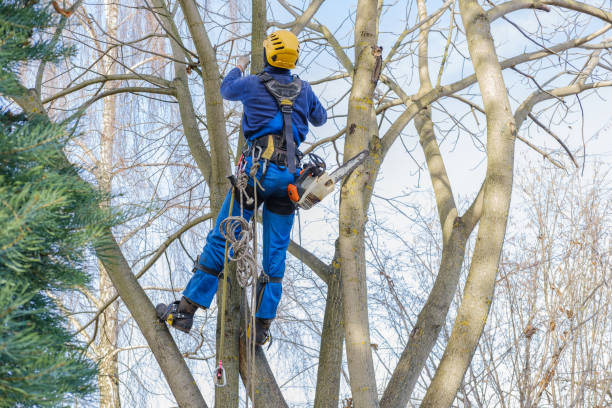
Tree cutting can involve considerably different equipment and safety considerations than ordinary bush trimming. Large trees should not be treated like oversized shrubs.
Tree Cut Services Near Me
The phrase tree cut services near me is another broad local search term. Homeowners should identify whether they need branch trimming, tree removal, storm cleanup, or another specific service.
Clear terminology can help ensure that the provider understands the actual project.
Trimming Service Near Me
Someone searching for a trimming service near me may be looking for shrub trimming, hedge maintenance, or tree pruning.
Before scheduling, specify the type of vegetation that needs work. The correct tools and techniques can vary significantly between shrubs, hedges, ornamental trees, and mature trees.
How to Choose a Trimming Service Near Me
Choosing a local service does not need to be complicated, but homeowners should ask a few practical questions.
Confirm the Type of Work
Tell the provider whether you need:
- Routine bush trimming
- Heavy shrub reduction
- Selective pruning
- Complete shrub removal
- Tree branch trimming
- Tree removal
- Storm-related cleanup
This helps avoid confusion between different types of vegetation work.
Ask About Cleanup
Trimming and removal can generate branches, leaves, stems, and other organic debris.
Ask whether cleanup and hauling are included in the quoted work.
Discuss the Desired Result
Instead of simply saying that a shrub is “too big,” explain what you want the finished area to look like.
For example, you may want a walkway cleared, a fence exposed, or a specific amount of privacy maintained.
A clear objective can make the work easier to plan.
Common Shrub and Bush Maintenance Mistakes
Cutting Too Much at Once
Removing excessive growth in a single session can stress certain shrubs and produce an unnatural appearance.
The correct amount of pruning depends on the plant species and condition.
Ignoring the Base of the Plant
Homeowners sometimes focus entirely on the visible canopy while overlooking problems near the base.
Root exposure, damage, soil changes, and unwanted suckers may indicate that the plant needs closer evaluation.
Waiting Until Growth Blocks a Walkway
Regular maintenance is easier when vegetation is addressed before it becomes a major obstruction.
Using One Trimming Method for Every Plant
Different plants respond differently to pruning.
A method suitable for a formal hedge may not be appropriate for a flowering shrub or naturally shaped landscape plant.
Removing Healthy Plants Without Considering Alternatives
Some shrubs can be restored through selective trimming.
Before removing an established plant, consider whether pruning could solve the actual problem.
Local Considerations for Homeowners
Local weather and seasonal conditions can affect vegetation growth and maintenance needs.
Storms may break branches, heavy rainfall can affect soil conditions, and periods of heat or drought can stress plants.
Homeowners should also consider the location of vegetation in relation to sidewalks, driveways, fences, buildings, and other property features.
For residents researching shrub removal near me, a local provider may be able to assess the specific conditions around the property and explain what work is appropriate.
Kansas Tree Experts is a relevant local tree-care business for homeowners researching tree and vegetation services. Before scheduling work, property owners should confirm which shrub or tree services are currently available and whether the specific project falls within the company’s service area.
A Simple Decision Guide
Use this basic framework when deciding between trimming and removal.
Choose trimming when:
- The shrub is healthy.
- Only certain branches are problematic.
- The plant still serves a useful purpose.
- The problem can be corrected through selective cutting.
- You want to maintain the existing landscape.
Consider removal when:
- The shrub is dead.
- The plant is severely damaged.
- Growth repeatedly interferes with structures or access.
- The location is no longer suitable.
- The landscape is being redesigned.
- Trimming cannot reasonably correct the problem.
This is a starting point rather than a substitute for an on-site assessment.
Conclusion
Shrub removal and bush trimming serve different purposes. Trimming is generally appropriate when a healthy plant needs its growth managed, while removal may be more practical when a shrub is dead, severely damaged, poorly located, or no longer wanted.
For homeowners searching for shrub removal near me, comparing the complete scope of work is more useful than choosing a provider based only on a basic price. Consider access, debris removal, root work, cleanup, and the intended use of the space after the shrub is gone.
If you need routine maintenance instead, a trimming service near me may be able to manage overgrown branches and preserve healthy shrubs. For larger vegetation concerns, it is important to distinguish shrub work from tree cutting and removal because the equipment and safety requirements can be significantly different.
Homeowners researching local tree and vegetation services can turn to Kansas Tree Experts for guidance on their property care needs. If you are unsure whether trimming or removal is the right option, contact us to discuss the type of vegetation, its location, and the work required.
Frequently Asked Questions
1. What is shrub removal?
Shrub removal involves cutting and removing an unwanted shrub from a property. Depending on the project, it may also involve addressing the remaining base or root system and clearing the resulting debris.
2. When should I search for shrub removal near me?
Consider searching for local shrub-removal services when a plant is dead, severely overgrown, obstructing access, interfering with structures, or no longer fits your landscape plans.
3. Is trimming better than removing a shrub?
It depends on the plant’s condition and the problem. Healthy shrubs with manageable overgrowth may only need trimming, while dead, severely damaged, or poorly located shrubs may be better candidates for removal.
4. How often should bushes be trimmed?
There is no universal schedule. Trimming frequency depends on the shrub species, growth rate, desired appearance, location, and season. Some plants require more frequent maintenance than others.
5. Can an overgrown shrub be saved?
Often, yes. Some overgrown shrubs can be restored through appropriate pruning. However, the amount of recoverable growth depends on the species, age, health, and extent of overgrowth.
6. What should I ask a shrub-removal company?
Ask what the quoted service includes, whether debris will be removed, how roots will be handled, what cleanup is provided, and whether the company can work safely around nearby structures and landscaping.
7. Are shrub removal and tree removal the same service?
No. Shrubs and trees differ in size, structure, root systems, and equipment requirements. Large tree work may involve substantially different safety procedures and equipment.
8. What does a trimming service near me usually include?
The scope varies. Trimming may include selective removal of unwanted branches and shaping or clearance work. Ask the provider to define exactly what will be trimmed and whether cleanup is included.
9. Can shrubs damage fences or buildings?
Overgrown shrubs can press against or grow through fences and may interfere with access to buildings. Vegetation can also collect moisture and debris around structures. Maintaining reasonable clearance can make inspection and maintenance easier.
10. Should I remove roots when removing a shrub?
Not always. The appropriate approach depends on the plant, root size, location, and what you plan to do with the area afterward. Complete root removal may require additional excavation and can disturb surrounding landscaping.
11. How do I find tree cut services near me?
Use a local search that specifies your city or area and the type of tree work required. Then confirm the provider’s service area, services, estimated scope, and cleanup process before scheduling.
12. Can the same company handle shrubs and trees?
Some tree-care businesses offer both tree and related vegetation services, while others specialize in specific types of work. Confirm that the provider handles the exact service you need before making an appointment.

