
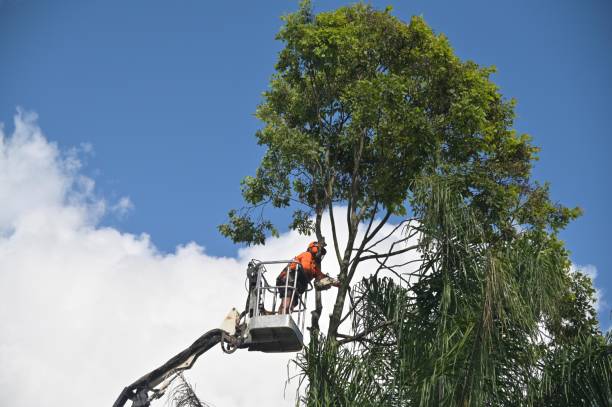
Trees can add shade, privacy, beauty, and environmental value to a property. However, trees also require proper care as they grow and age. Dead branches, weak limbs, disease, storm damage, and structural problems can create safety concerns if they are not addressed.
One of the most common questions property owners face is whether a tree needs tree removal and pruning or whether routine maintenance is enough. The answer depends on the tree’s health, structure, location, and potential risk to people or property. Kansas Tree Experts can evaluate these factors when determining whether selective pruning may be appropriate or whether a tree requires more extensive attention.
Tree trimming and pruning are generally intended to improve a tree’s structure and remove selected branches. Tree removal, by contrast, eliminates the entire tree when keeping it in place is no longer practical or safe.
Understanding the difference can help property owners make more informed decisions. A tree should not automatically be removed simply because it looks unhealthy or has damaged branches. In many situations, appropriate pruning can address the problem while allowing the tree to continue growing.
What Is Tree Trimming and Pruning?
Tree trimming and pruning are related practices that involve selectively removing branches from a tree. Although the terms are often used interchangeably, pruning usually refers to the intentional removal of branches to support tree health, structure, safety, or appearance.
Why Is Pruning Important?
Proper pruning can help manage branches that are:
- Dead or dying
- Broken after a storm
- Crossing or rubbing against other branches
- Growing toward structures
- Blocking visibility
- Creating excessive weight in certain parts of the canopy
- Growing too close to utility lines or other obstacles
The goal should not be to remove as many branches as possible. Excessive cutting can stress a tree and may create additional structural problems.
A thoughtful pruning approach considers the tree species, age, condition, growth pattern, and location. The amount and type of pruning needed can vary significantly between trees.
When Can Pruning Help a Tree?
Pruning can be useful when the tree is fundamentally healthy but has specific branches that create problems.
For example, a mature tree may have several dead limbs after a severe weather event. Removing those branches may reduce immediate hazards without requiring the entire tree to be removed.
Similarly, a tree may have branches growing toward a roof or blocking a driveway. Selective pruning can sometimes correct the problem while preserving the rest of the tree.
What Is Tree Removal?
Tree removal involves taking down the entire tree, including the main trunk and usually the major above-ground structure. Depending on the situation and service involved, stump removal or stump grinding may be considered separately.
Removal is a significant decision because a mature tree cannot simply be replaced with an equivalent tree overnight. For that reason, removal should generally be considered when the tree has become hazardous, severely compromised, or unsuitable for its location.
When Does a Tree Need to Be Removed?
A tree may require removal when its structural condition presents a significant risk and corrective pruning cannot adequately address the problem.
Common reasons include:
- Extensive decay
- Severe trunk damage
- Major root instability
- A tree that is dead throughout
- Significant storm-related structural damage
- Advanced disease affecting the tree’s stability
- A severe lean combined with other structural concerns
- Major interference with construction or necessary property work
The presence of one warning sign does not automatically mean removal is necessary. A professional assessment can help determine whether the issue can be managed through pruning or whether the entire tree has become a hazard.
Tree Removal and Pruning: What Is the Difference?
The main difference between pruning and removal is the extent of work and the reason for performing it.
| Factor | Tree Trimming and Pruning | Tree Removal |
|---|---|---|
| Main purpose | Maintain or improve tree health and structure | Eliminate a hazardous or unsuitable tree |
| Amount removed | Selected branches | Entire tree |
| Tree remains afterward | Yes | No |
| Common reason | Dead limbs, overgrowth, clearance | Severe decay, death, instability |
| Long-term goal | Preserve the tree when practical | Remove an unacceptable hazard |
| Impact on property | Usually limited | More substantial |
| Follow-up care | Often ongoing | May involve stump management and replacement planting |
This distinction is important because tree care should not be approached as a simple choice between cutting branches and cutting down the entire tree. The condition of the tree determines which option is appropriate.
When Should You Choose Tree Trimming?
In many cases, tree trimming and tree removal decisions begin with a closer look at the branches. If the trunk and root system appear stable and the tree remains structurally sound, pruning may be enough.
Dead or Broken Branches
Dead branches can fall unexpectedly, particularly during strong winds or storms. Removing them can reduce the risk associated with falling limbs.
Broken branches should also be evaluated because fresh breaks can expose internal wood and create additional structural weaknesses.
Overgrown Branches
Branches that have grown too far over a roof, driveway, walkway, or other area may need selective trimming.
The purpose is not simply to make the tree smaller. Good pruning should address specific conflicts while maintaining a natural and stable canopy.
Crossing or Rubbing Branches
Branches that constantly rub against each other can become damaged over time. Removing one of the competing branches may reduce friction and improve the tree’s structure.
Poorly Positioned Growth
Young or mature trees can develop branches in directions that create future problems. Corrective pruning can sometimes guide the tree toward a stronger structure.
Early attention can be particularly useful because removing a smaller branch is often less disruptive than waiting until it becomes a large structural limb.
Clearance Issues
Trees growing near buildings, roads, walkways, fences, and other structures may require trimming to maintain reasonable clearance.
Utility-line conflicts require particular caution. Property owners should avoid attempting hazardous pruning themselves when branches are near energized electrical lines.
When Is Tree Removal the Better Option?
Some trees cannot be made safe or structurally sound through pruning alone. In those situations, tree removal and pruning should be evaluated as separate solutions rather than assuming that additional trimming will solve the problem.
The Tree Is Dead
A completely dead tree no longer has the ability to recover. As wood deteriorates, branches and sections of the trunk can become increasingly unstable.
Dead trees near homes, pedestrian areas, vehicles, or other structures may pose a greater hazard than dead trees in isolated locations.
Severe Decay Is Present
Decay can weaken internal wood even when the outside of a tree does not appear severely damaged. Cavities, fungal growth, soft wood, cracks, and other signs may indicate underlying problems.
Not every cavity means a tree must be removed. The extent and location of decay matter. However, significant decay affecting major structural components can change the risk assessment.
Major Storm Damage Has Occurred
Storms can split trunks, uproot trees, break large limbs, and damage major branches. Some storm-damaged trees can be restored through pruning, while others suffer damage that makes retention unsafe.
A tree with a few broken branches may remain viable. A tree with a severely split trunk or substantially damaged root system may be a different situation.
The Tree Is Structurally Unstable
A pronounced lean does not automatically mean a tree should be removed. Some trees naturally grow at an angle and remain stable.
However, a new lean, exposed roots, soil movement, trunk cracks, or signs of root failure can indicate a more serious structural issue.
The Tree’s Location Creates an Unacceptable Risk
Even a relatively healthy tree can become problematic if it is located where failure would have severe consequences.
For example, a large unstable tree directly beside a frequently used structure deserves a different risk assessment from a similar tree located far away from buildings and people.
Warning Signs That Deserve Attention
Property owners should periodically inspect their trees for visible changes. Some signs that deserve professional evaluation include:
- Large dead branches
- Cracks in major limbs or the trunk
- Hollow or decayed areas
- A sudden change in the tree’s lean
- Exposed or damaged roots
- Broken major branches
- Large areas of missing bark
- Unusual fungal growth
- Soil lifting near the base
- Significant storm damage
- Branches making contact with structures or utility lines
These signs do not provide a diagnosis by themselves. They indicate that the tree may need closer evaluation.

Can Pruning Save a Tree?
Sometimes it can.
Pruning is most useful when the underlying tree remains sufficiently healthy and structurally stable. Removing damaged, dead, or poorly positioned branches can reduce hazards and improve the tree’s structure.
However, pruning cannot restore wood that has already been extensively decayed or repair every type of structural failure.
This is why tree trimming & removal should not be treated as competing services. They are different responses to different tree conditions.
A useful approach is to ask three questions:
- Is the tree still alive and reasonably healthy?
- Can the identified problem be addressed by removing specific branches?
- Will the remaining tree have adequate structural stability after pruning?
If the answer to the final question is no, removal may need to be considered.
Tree Trimming & Removal: What Property Owners Should Know
Timing, technique, and tree condition all matter when deciding how to manage a tree.
Pruning should have a clear objective. Cutting branches without understanding how the remaining structure will respond can create unnecessary stress or encourage weak growth.
Property owners should also avoid topping trees as a general maintenance strategy. Topping involves cutting major branches back to stubs and can significantly alter a tree’s natural structure. It may also encourage poorly attached regrowth.
Similarly, removing a large portion of a canopy simply to reduce the tree’s size may not solve the original problem.
The better approach is targeted pruning based on the tree’s structure and the specific concern.
How Professionals Assess a Tree
A professional tree assessment typically considers more than what can be seen from a distance.
Tree Health
The assessment may consider foliage, deadwood, signs of disease, decay, growth patterns, and overall vigor.
Structural Condition
The trunk, major limbs, branch unions, and root area can provide important information about stability.
Location
The surrounding environment matters because the potential consequences of tree failure depend on what is located beneath and around the tree.
History
Previous storms, construction activity, pruning, root disturbance, and other events can affect a tree’s current condition.
Future Risk
A tree may not be an immediate hazard but could become increasingly problematic as it grows or deteriorates. Considering future development can help property owners choose a practical course of action.
How to Decide Between Tree Trim and Removal
A simple decision framework can help.
Choose pruning when:
- The tree is generally healthy.
- The issue involves specific branches.
- Dead or damaged limbs can be removed safely.
- The trunk and root system appear stable.
- Clearance can be restored through selective trimming.
Consider removal when:
- The tree is dead.
- Severe structural damage is present.
- Extensive decay compromises important parts of the tree.
- Root failure creates instability.
- Storm damage has made the tree structurally unsound.
- The tree presents a significant hazard that pruning cannot reasonably resolve.
When there is uncertainty, obtaining an assessment is preferable to making a decision based only on appearance.
Why DIY Tree Removal Can Be Risky
Tree work can involve significant weight, height, unpredictable branch movement, and equipment hazards. The risks increase when trees are close to buildings, roads, fences, vehicles, or electrical lines.
A branch may appear stable but shift unexpectedly once another limb is removed. A tree under tension can also react differently from what an inexperienced person expects.
For this reason, property owners should be especially cautious about attempting large-scale pruning or removal without the appropriate knowledge, equipment, and safety procedures.
For information about professional tree-care services and related considerations, property owners can review the resources available from KS Tree Experts.
A Practical Tree Care Checklist
Before deciding between pruning and removal, consider the following:
- Inspect the tree after major storms.
- Look for dead or broken branches.
- Check for visible trunk cracks.
- Observe changes in the tree’s lean.
- Look for exposed or disturbed roots.
- Consider whether branches are contacting structures.
- Avoid cutting large branches without understanding the consequences.
- Do not attempt work near electrical lines.
- Have questionable trees evaluated by a qualified professional.
- Consider the tree’s future condition, not just its appearance today.
This checklist can help identify when further evaluation may be appropriate, but it should not replace a professional assessment for potentially hazardous trees.
Conclusion: Know When to Trim and When to Remove
The choice between tree trimming and tree removal depends primarily on the condition and structure of the tree. Tree trimming and pruning can address dead branches, overgrowth, clearance problems, and certain structural issues while preserving a healthy tree.
Tree removal becomes more appropriate when a tree is dead, severely damaged, extensively decayed, unstable, or otherwise presents a level of risk that pruning cannot adequately address.
The goal should always be to choose the least disruptive solution that reasonably addresses the identified hazard. A healthy tree with a few problematic branches may only need careful pruning, while a severely compromised tree may require complete removal.
If you are uncertain about the condition of a tree on your property, consider having it assessed before deciding between tree trimming and tree removal. For questions about available tree-care services, contact us through KS Tree Experts and provide details about the tree’s condition, location, and any recent damage so the appropriate next step can be considered.
Frequently Asked Questions
1. What is the difference between tree trimming and tree removal?
Tree trimming involves selectively removing branches while leaving the tree standing. Tree removal involves taking down the entire tree. Trimming is generally used for maintenance, safety, clearance, and structural correction, while removal is considered when the whole tree has become unsuitable or hazardous.
2. Can pruning prevent tree removal?
In some cases, yes. If a tree is healthy and the problem is limited to specific branches, appropriate pruning may correct the issue. However, pruning cannot eliminate every structural or health problem. Extensive decay, severe trunk damage, or major root instability may still require removal.
3. Does a leaning tree always need to be removed?
No. Some trees naturally grow at an angle and can remain stable. A sudden or increasing lean, especially when combined with root damage, soil movement, cracks, or other warning signs, deserves professional evaluation.
4. How do I know if a tree is dead?
A dead tree may show no living foliage during a period when leaves should normally be present, along with brittle branches, deteriorating bark, or other signs of decline. However, some trees can appear dead while portions remain alive, so professional evaluation may be useful when the condition is unclear.
5. Is tree trimming the same as pruning?
The terms are often used interchangeably, although pruning commonly refers to the selective removal of branches for health, structure, or safety. Trimming may also describe cutting branches to manage growth, clearance, or appearance.
6. Should I remove a tree after storm damage?
Not necessarily. Some storm-damaged trees can be managed by removing broken branches and correcting structural problems. Severe trunk splits, extensive root damage, or major structural failure may make removal more appropriate.
7. Can I remove a large tree myself?
Large tree removal can involve substantial safety risks, particularly when the tree is tall or close to buildings, vehicles, roads, or utility lines. Professional evaluation and appropriate equipment are important for complex or hazardous tree work.
8. What should I do if branches are near power lines?
Do not attempt to cut branches that are close to energized electrical lines. Contact the appropriate utility provider or a qualified tree-care professional who can address the situation using appropriate safety procedures.
9. Is tree removal always the best solution for a diseased tree?
No. Disease does not automatically mean a tree must be removed. The type and severity of the disease, the tree’s overall condition, and the risk associated with the affected parts should all be considered.
10. What should I consider before choosing tree trimming and removal services?
Consider the tree’s health, structural condition, location, recent damage, and the specific problem you are trying to solve. A qualified assessment can help determine whether selective pruning or complete removal is the more appropriate option.

