
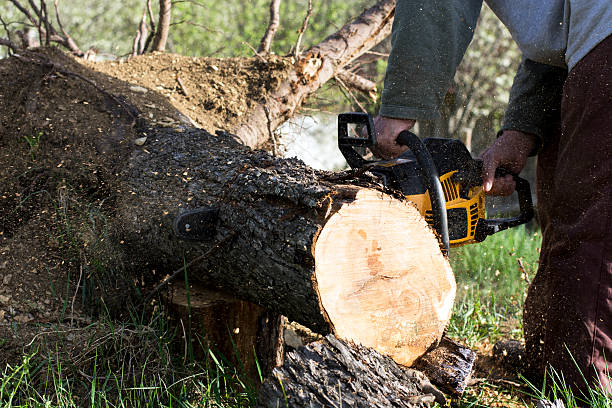
Tree removal costs can vary considerably from one property to another. A small tree in an open yard may require a very different level of planning and work than a large tree growing close to a home, fence, driveway, or utility area. Because of these differences, there is no single price that applies to every tree removal project.
For property owners searching for tree removal services in my area, understanding the factors behind pricing can make it easier to evaluate an estimate. Tree size is important, but it is only one part of the overall cost. The tree’s condition, location, accessibility, surrounding obstacles, equipment requirements, and cleanup needs can all affect the amount of work involved.
This guide explains what affects the cost of tree removal in Wichita, what additional services may influence the final price, and why a property-specific assessment is often necessary before an accurate estimate can be provided.
How Much Does Tree Removal Cost in Wichita?
The cost of tree removal in Wichita depends on the specific tree and the conditions surrounding it. Rather than relying on a single standard rate, a professional estimate should consider how the tree can be safely removed and what work is required before and after the tree comes down.
For example, two trees of a similar height may have different removal costs. One tree may stand in an open area with easy access for equipment, while the other may be positioned close to a house and require controlled removal in smaller sections.
The second project may involve more planning, time, labor, and equipment even if the trees are similar in size.
For this reason, property owners looking for a tree removal cost Wichita estimate should provide as much information as possible about the tree’s size, location, condition, and nearby structures.
A site assessment can help identify the specific factors affecting the project.
The Main Factors That Affect Tree Removal Pricing
Several factors are usually considered when determining how much tree removal work may cost.
Tree Size and Height
Tree size is one of the most important factors affecting removal costs.
Larger trees generally have:
- More branches to remove
- Greater trunk diameter
- More wood to process
- Additional height to manage
- Larger and heavier sections
A tall tree may require workers to remove branches and trunk sections gradually instead of cutting the entire tree at once.
The amount of material produced can also increase as the tree becomes larger, which may affect debris handling and cleanup.
However, height alone does not determine the final price. A smaller tree in a difficult location can sometimes require more careful work than a larger tree with open access.
Tree Condition
The condition of the tree can also affect the removal approach.
A healthy tree may have a predictable structure, while a dead, decaying, storm-damaged, or unstable tree can require additional precautions.
Potential concerns include:
- Dead or brittle branches
- Internal or visible decay
- Broken limbs
- Storm damage
- Cracks in major branches
- Structural weakness
- An unstable lean
Damaged trees may be more difficult to work with because the crew must consider how weakened sections could respond during the removal process.
A professional tree removal Wichita assessment can help identify visible risks and determine how the tree should be dismantled.
Tree Location
Where the tree is located can have a major effect on the amount of work required.
A tree in the middle of an open yard may provide more space for equipment and debris handling. In comparison, a tree growing close to a house, garage, fence, driveway, or neighboring property may require more controlled techniques.
The removal process may need to account for:
- Roofs
- Windows
- Fences
- Outdoor structures
- Driveways
- Landscaping
- Neighboring property
- Utility areas
When space is limited, branches and trunk sections may need to be removed in smaller pieces.
This can increase the time and planning required for the project.
Accessibility
Access to the tree and surrounding work area can influence pricing.
A tree located near an accessible driveway may be easier to reach than one in a confined backyard with narrow access.
Limited access can affect:
- Equipment placement
- Movement of workers
- Transportation of branches and wood
- Debris removal
- Overall project time
If crews need to move materials a longer distance or work around restricted access points, the project may require additional labor.
Property owners searching online for tree removal services in my area should consider accessibility when requesting an estimate and mention any gates, narrow passages, slopes, or other access limitations.
Nearby Structures and Obstacles
Trees close to structures often require additional planning.
The crew must consider the distance between branches and:
- Homes
- Garages
- Sheds
- Fences
- Patios
- Vehicles
- Pools
- Other trees
A large tree in an open space may allow for larger sections to be handled during removal. A tree surrounded by obstacles may need to be dismantled piece by piece.
The greater the need for controlled removal, the more the location can affect the overall scope of work.
Equipment and Labor Requirements
Different tree removal projects require different equipment.
Depending on the site, a project may involve chainsaws, climbing equipment, ropes, rigging systems, trucks, trailers, wood-processing equipment, and other tools.
The number of workers required can also vary.
A straightforward project may require a different level of labor than a large or difficult tree removal.
The equipment and crew requirements are generally based on the conditions found during the property assessment.
Does Emergency Tree Removal Cost More?
Emergency tree situations can involve different scheduling and safety considerations than planned tree removal.
For example, a tree may become damaged after severe weather and create an immediate concern because it has fallen onto a structure, blocked access, or become visibly unstable.
Emergency work may require a faster response and additional planning depending on the conditions.
The final cost can be affected by:
- The severity of the damage
- The tree’s location
- Immediate safety risks
- Accessibility
- The amount of debris
- The equipment required
- The timing of the service
A tree that has suffered storm damage should be assessed carefully. Property owners should avoid standing beneath hanging limbs or attempting to remove large broken branches themselves.
If electrical lines are involved, the appropriate utility provider should also be contacted when necessary.
Additional Services That May Affect the Total Cost
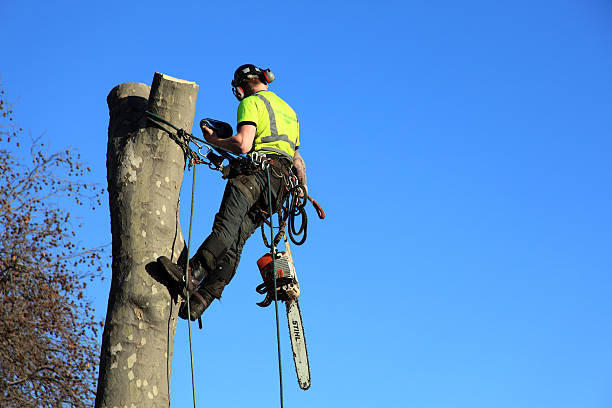
The removal of the tree itself may not be the only service included in a project. Additional work can affect the overall cost depending on what the property requires.
Stump Grinding
After the tree is removed, the stump may remain.
Some property owners choose to leave it in place, while others request stump grinding to reduce the remaining stump below ground level.
Stump grinding can be useful when the stump:
- Interferes with mowing
- Occupies usable yard space
- Affects landscaping plans
- Creates an obstacle
- Prevents future improvements
Because stump grinding requires separate equipment and work, it may affect the total cost if it is included.
Debris and Wood Removal
Tree removal can produce a large amount of branches, leaves, and trunk sections.
The amount of debris depends largely on the size and structure of the tree.
Property owners should ask whether the estimate includes:
- Branch cleanup
- Wood removal
- Hauling
- Processing of smaller limbs
- Final site cleanup
The exact handling of removed wood and debris should be understood before the work begins.
Storm Damage Cleanup
Storm damage can create additional cleanup needs.
Broken branches may be scattered across the property, while larger limbs may require controlled removal from structures or other trees.
The extent of cleanup can affect the amount of work involved.
Typical Tree Removal Cost Factors at a Glance
The following table explains how common project conditions can influence the scope and potential cost of tree removal.
| Factor | How It Can Affect the Work | Why It May Affect Pricing |
|---|---|---|
| Tree height | Taller trees require work at greater elevations | More time and controlled removal may be required |
| Tree diameter | Larger trunks produce heavier sections | Additional cutting and material handling may be needed |
| Tree condition | Dead or damaged trees may be unstable | Extra safety planning may be necessary |
| Location | Trees near structures require controlled work | Smaller sections may need to be removed |
| Accessibility | Limited access affects equipment and debris movement | More labor and time may be required |
| Nearby obstacles | Fences, buildings, and landscaping restrict the work area | The removal method may become more complex |
| Debris volume | Larger trees produce more material | Cleanup and hauling requirements can increase |
| Stump grinding | Requires additional equipment and labor | May be priced separately from tree removal |
| Emergency conditions | Immediate damage can require faster scheduling | Timing and project conditions can change the scope |
The table provides general information. An actual estimate should be based on the specific property and tree.
Why Two Tree Removal Jobs Can Have Different Prices
It is common for property owners to compare one tree removal project with another based on the size of the tree. However, two similarly sized trees can involve very different amounts of work.
Consider these examples.
Example 1: An Open Yard Tree
A tree is located in an open area with:
- Clear equipment access
- No nearby buildings
- Space for controlled debris handling
- No major obstacles around the trunk
This type of location may simplify some parts of the project.
Example 2: A Tree Near a Home
Another tree has a similar height but is growing:
- Close to a roof
- Between a fence and garage
- Near landscaping
- In a restricted backyard
This tree may need to be dismantled in smaller, carefully managed sections.
Even though both trees have similar dimensions, the second project may involve a different amount of planning and labor.
This is why online averages should only be viewed as general information. A property-specific evaluation provides a clearer understanding of what the work involves.
How to Prepare for a Tree Removal Estimate
Providing useful information before an estimate can help the tree service understand the basic scope of the project.
When contacting a company, consider sharing:
- The approximate location of the tree
- Whether the tree is near a house or structure
- Visible damage or decay
- Recent storm damage
- Access conditions
- The presence of fences or gates
- Whether debris removal is needed
- Whether stump grinding is also being considered
Photos can also help provide an initial view of the tree, although an on-site assessment may still be needed for complex projects.
Before work begins, homeowners should also clarify which services are included in the estimate.
Kansas Tree Experts can review the conditions of a specific tree and property to explain the work involved in the removal process.
What Should You Ask Before Scheduling Tree Removal?
Understanding the service scope can help avoid confusion later.
Consider asking these questions.
What Work Is Included in the Estimate?
Confirm whether the service covers the full removal process, debris handling, and final cleanup.
Will the Stump Be Removed or Ground?
Tree removal does not always include stump grinding. Ask what will remain after the main tree has been removed.
What Happens to the Wood and Branches?
Find out whether the debris will be hauled away, processed, or handled according to another agreed arrangement.
How Will the Work Area Be Managed?
Ask about access requirements and whether vehicles or outdoor items should be moved before the crew arrives.
Are There Any Additional Site-Specific Factors?
A property inspection may identify access limitations, nearby structures, or other conditions that affect the work.
These questions can help property owners compare estimates based on the actual services provided rather than comparing prices alone.
Why Local Knowledge Matters for Tree Removal in Wichita
Tree removal projects should take local property conditions into account.
Wichita can experience strong winds, thunderstorms, seasonal temperature changes, and other weather conditions that may affect trees over time. Storm damage can create broken limbs, structural changes, and immediate tree care concerns.
Properties in the area can also vary significantly. Some have open lots with easy equipment access, while others have mature trees growing close to homes, garages, fences, and other structures.
Local experience can be useful when evaluating:
- Storm-damaged trees
- Tree location and access
- Wind-related branch damage
- Seasonal tree concerns
- Property-specific removal challenges
Kansas Tree Experts provides tree removal and related tree care services for properties in Wichita and surrounding areas. The work required is evaluated based on the specific tree and the conditions around it.
How Kansas Tree Experts Approaches Tree Removal
Every tree removal project begins with understanding the tree and its location.
Kansas Tree Experts considers factors such as the tree’s size, visible condition, branch structure, surrounding obstacles, and accessibility.
A planned approach may involve:
Evaluating the Tree
The tree and surrounding property are reviewed to identify visible concerns and conditions that could affect the removal method.
Planning the Work
The removal approach is based on the available space, tree condition, and nearby structures.
A tree in a confined area may require controlled removal in sections.
Managing the Work Area
The work zone is prepared to support safe access and equipment movement.
Property owners may be asked to move vehicles or portable outdoor items away from the active work area.
Removing and Handling Tree Material
Branches and trunk sections are removed according to the planned approach and processed based on the agreed service scope.
Completing Cleanup
Cleanup requirements should be discussed before the project begins so the property owner understands how debris and wood will be handled.
This approach helps ensure that the tree removal process is based on actual site conditions rather than applying the same method to every property.
Conclusion
The cost of tree removal in Wichita depends on much more than the height of a tree. Tree condition, location, accessibility, nearby structures, equipment requirements, debris handling, and additional services such as stump grinding can all affect the total scope of work.
For property owners searching for tree removal services in my area, the most useful estimate is one based on the actual conditions of the tree and property. Comparing the work included, access requirements, cleanup arrangements, and additional services can provide a clearer understanding of why prices vary.
Kansas Tree Experts evaluates tree removal projects based on the individual conditions present at each property. Whether the concern involves a large tree, a damaged tree, limited access, or questions about debris and stump options, a proper assessment can help explain the work involved. To discuss your tree removal needs in Wichita and understand the factors affecting your project, contact us through the website.
Frequently Asked Questions
How much does tree removal cost in Wichita?
The cost varies based on factors such as tree size, height, condition, location, access, nearby structures, debris removal, and whether additional services such as stump grinding are required.
Why can’t every tree removal have the same price?
Each tree and property presents different conditions. A tree with open access may require less controlled work than a similar-sized tree growing close to a home or other structures.
Does a larger tree always cost more to remove?
Larger trees often require more time and material handling, but size is not the only factor. A smaller tree in a difficult or restricted location can also require significant planning.
Does tree condition affect removal costs?
Yes. Dead, decaying, damaged, or unstable trees may require additional safety precautions and a different removal approach.
Does tree removal include debris cleanup?
The answer depends on the agreed service scope. Property owners should confirm how branches, wood, and other debris will be handled before scheduling the work.
Is stump grinding included with tree removal?
Not necessarily. Stump grinding may be a separate service and can affect the total project cost.
Can I get an accurate tree removal price without an inspection?
Basic information and photos may help provide an initial understanding, but an on-site assessment may be needed to identify access limitations, nearby obstacles, tree condition, and other factors affecting the project.
Do emergency tree removal services cost differently?
Emergency projects can involve different scheduling and safety requirements. The cost depends on the specific damage, risk, access, timing, and work required.
What should I do if a tree falls after a storm?
Keep a safe distance from damaged trees and broken limbs. Do not attempt to cut or move large sections that may be unstable or under tension. Contact the appropriate professionals based on the situation, especially when structures or utility lines are involved.
How can I compare tree removal estimates?
Compare the scope of services, not only the final price. Check whether debris removal, cleanup, stump grinding, and other services are included and understand any property-specific factors affecting the work.

