
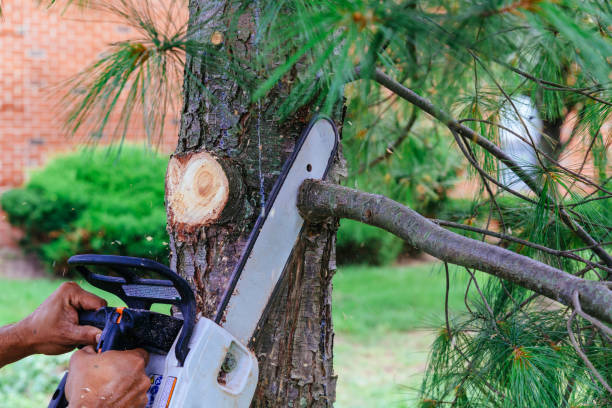
Trees are an important part of residential and commercial properties in Wichita, Kansas. They can provide shade, improve the appearance of outdoor spaces, and contribute to a more comfortable environment. However, trees also require ongoing attention. Branches can become overgrown, damaged limbs can create safety concerns, and declining trees may eventually need to be removed.
Understanding the available tree services Wichita KS property owners can consider makes it easier to address these issues at the right time. Tree trimming, pruning, removal, and stump grinding all serve different purposes. Choosing the right service depends on the tree’s condition, location, structure, and the goals for the property.
This complete guide explains how each service works, when it may be needed, and what Wichita property owners should consider when making tree care decisions.
Understanding the Different Types of Tree Services
Tree care is not a single service. Different trees require different types of maintenance throughout their lives. A healthy tree with overgrown branches may only need trimming, while a tree with structural damage may require pruning. A dead or severely compromised tree may need removal.
The most common services include:
- Tree trimming
- Tree pruning
- Tree removal
- Stump grinding
- Storm damage cleanup
- Removal of hazardous branches
Each service addresses a specific situation. An inspection can help determine which approach is appropriate instead of removing or cutting a tree unnecessarily.
Kansas Tree Experts provides tree care services based on the condition of individual trees and the specific requirements of the property.
Tree Trimming: Maintaining Shape and Clearance
Tree trimming generally focuses on managing overgrown branches and maintaining appropriate clearance around structures and outdoor spaces.
Trees can continue growing into areas where branches become inconvenient or create potential problems. For example, limbs may extend over driveways, walkways, roofs, or other parts of a property.
When Tree Trimming May Be Needed
Tree trimming Wichita KS services may be considered when:
- Branches are growing too close to a building
- Limbs extend over driveways or walkways
- Low branches interfere with access
- The canopy has become excessively dense
- Branch growth affects the shape of the tree
- Branches obstruct visibility around the property
The goal is not simply to remove as many branches as possible. Excessive or improper cutting can create unnecessary stress for a tree.
What Happens During Tree Trimming?
A professional tree service generally evaluates the tree before cutting begins. The location of branches, overall canopy structure, and surrounding property features are considered.
Workers may remove selected branches to improve clearance while maintaining the overall structure of the tree. The branches are then processed and handled according to the agreed service scope.
The approach can vary depending on the tree species, age, size, and location.
Why Proper Trimming Matters
Overgrown branches can create practical issues, but poorly planned trimming can also affect a tree. Removing large amounts of living growth without considering the tree’s condition may leave it more vulnerable to stress.
For this reason, trimming decisions should be based on the tree’s actual structure and the specific clearance needs of the property.
Tree Pruning: Improving Tree Structure
Although the terms trimming and pruning are sometimes used interchangeably, pruning is often associated with more selective cutting intended to manage the tree’s structure and condition.
Pruning may involve removing:
- Dead branches
- Damaged limbs
- Diseased sections
- Crossing branches
- Weak or poorly positioned growth
- Limbs with structural concerns
When Should a Tree Be Pruned?
Pruning may be appropriate when a tree has damaged or unhealthy branches or when its growth pattern creates structural concerns.
A tree inspection can identify visible issues that may need attention. Dead branches, for example, can eventually fall and may present a risk to people or property below.
Selective pruning can also help manage competing branches and improve the overall structure of certain trees.
Tree Pruning and Property Safety
Some pruning decisions are directly related to safety. A heavy limb extending over a roof, parking area, or frequently used walkway may require attention if it is damaged or structurally weak.
However, not every large branch should automatically be removed. The location, attachment, condition, and role of the branch within the tree should be considered.
Professional tree services in Wichita KS can evaluate these factors before recommending a specific approach.
Tree Removal: When Complete Removal Is Necessary
Tree removal is generally considered when other tree care methods are no longer suitable.
A tree may need to be removed because it is dead, severely declining, structurally unstable, or creating an ongoing safety concern. Removal may also be necessary when a tree interferes with construction or is located in an area where its continued growth is not practical.
Common Reasons for Tree Removal
Complete removal may be considered when a tree is:
- Dead or substantially deteriorated
- Severely damaged after a storm
- Structurally unstable
- Leaning in a concerning direction
- Affected by significant decay
- Creating a risk near buildings or other structures
- Interfering with planned property work
The condition of the tree should be evaluated before removal. Some trees that appear damaged may still be managed through pruning, while others may have hidden structural problems that make removal the safer option.
What Does the Tree Removal Process Involve?
The exact process depends on the size and location of the tree.
Before work begins, the tree and surrounding area are assessed. Nearby structures, fences, driveways, utility lines, and access points can all affect the removal method.
In many situations, the tree is dismantled in sections. Branches may be removed first, followed by controlled removal of trunk sections. This approach can be especially important when there is limited space around the tree.
Debris and wood handling should also be discussed as part of the service scope.
Stump Grinding: What Happens After Tree Removal?
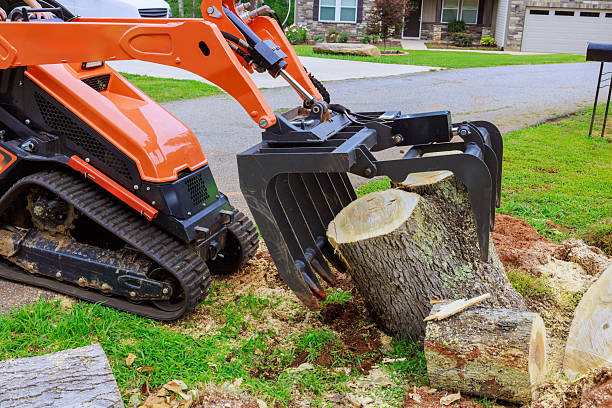
After a tree is removed, the stump may remain in the ground.
Some property owners choose to leave the stump, while others prefer to have it ground down. The decision can depend on future landscaping plans, the location of the stump, and how the area will be used.
How Does Stump Grinding Work?
Stump grinding uses specialized equipment to reduce the visible portion of a tree stump. The equipment gradually grinds the wood into smaller material.
The remaining area may contain wood chips and require additional preparation depending on future landscaping plans.
Stump grinding Wichita KS services can be useful when a remaining stump interferes with mowing, landscaping, walkways, or other planned improvements.
Reasons Property Owners Consider Stump Grinding
A stump may be addressed when it:
- Occupies usable yard space
- Interferes with mowing
- Creates an obstacle in the landscape
- Affects plans for planting or construction
- Remains after a removed tree
Stump grinding is generally a separate step from removing the tree itself unless both services are included in the agreed scope of work.
Tree Trimming vs. Pruning vs. Removal vs. Stump Grinding
Understanding the difference between these services can help property owners make more informed decisions.
| Tree Service | Main Purpose | Common Situations |
|---|---|---|
| Tree Trimming | Managing overgrowth and improving clearance | Branches near structures, driveways, or walkways |
| Tree Pruning | Selectively managing tree structure and condition | Dead, damaged, crossing, or weak branches |
| Tree Removal | Removing the entire tree | Dead, unstable, severely damaged, or hazardous trees |
| Stump Grinding | Reducing the remaining stump after removal | Stumps affecting landscaping or property use |
Each service has a different purpose. A tree does not always need removal simply because it has overgrown branches, and stump grinding does not necessarily happen automatically after a tree is removed.
An assessment of the individual tree can help determine the most suitable option.
How to Know Which Tree Service Your Property Needs
Property owners often notice a problem but may not know which service is appropriate. Looking at the condition and location of the tree can provide useful information.
Your Tree May Need Trimming If
The tree has healthy but overgrown branches that are interfering with normal use of the property.
Examples include branches extending over a driveway, growing too close to a roof, or obstructing a walkway.
Your Tree May Need Pruning If
Specific branches are dead, damaged, crossing, weak, or causing structural concerns.
Pruning can focus on individual parts of the tree rather than removing the entire tree.
Your Tree May Need Removal If
The tree is dead, severely compromised, unstable, or presents a continuing safety concern.
A damaged tree should be assessed carefully, especially after severe weather.
Your Property May Need Stump Grinding If
A stump remains after removal and is interfering with landscaping, mowing, or future property plans.
For homeowners looking for tree services Wichita KS, the right solution depends on the actual condition of the tree rather than a general assumption about what should be done.
Seasonal Tree Care Considerations in Wichita, KS
Weather conditions can influence tree care needs throughout the year.
Wichita experiences changing conditions across the seasons, including periods of heat, strong winds, thunderstorms, and winter weather. These conditions can affect trees in different ways.
Spring
Spring growth can make structural issues and damaged branches more noticeable. Property owners may inspect trees for winter damage and evaluate new growth.
Summer
During warmer months, trees can experience rapid growth. Overgrown branches may begin affecting roofs, driveways, and other structures.
Storms and high winds can also cause branch damage.
Fall
As leaves change and fall, the overall branch structure of some trees can become easier to observe. This can help identify dead or damaged limbs that were previously less visible.
Winter
Winter can be a useful time to evaluate certain structural issues, particularly when trees have fewer leaves. However, weather and ground conditions may affect when specific services can be completed.
The appropriate timing depends on the type and condition of the tree. Local conditions should be considered when planning tree care.
What to Expect From Professional Tree Services
Professional tree work generally begins with an assessment of the tree and property.
The service provider may consider:
- Tree height and size
- Overall tree condition
- Branch structure
- Visible decay or damage
- Lean or instability
- Distance from structures
- Access to the work area
- Nearby utility lines
- Property features that require protection
After evaluating these conditions, the team can determine how the work should be approached.
Kansas Tree Experts considers the specific conditions of the property when discussing tree trimming, pruning, removal, and stump-related services.
Preparing the Work Area
Before cutting begins, workers may establish a safe work zone and prepare access for necessary equipment.
Property owners may need to move vehicles, outdoor furniture, or other portable items away from the immediate work area.
Children and pets should remain away from active tree work.
Completing the Tree Work
Depending on the service, the crew may trim selected branches, prune damaged sections, remove the tree in controlled pieces, or grind a stump.
The process varies based on the size and complexity of the project.
Cleanup After the Service
Cleanup requirements should be discussed before work begins.
The agreed scope may include handling branches, wood sections, and other debris generated during the service. Property owners should also understand whether large wood pieces will be removed or left at the property.
Factors That Can Affect Tree Service Costs
The cost of tree work can vary because no two trees or properties are exactly alike.
Several factors can affect the amount of work involved.
Tree Size
Larger trees generally require more time, planning, and material handling.
Tree Location
A tree in an open area may be easier to access than one positioned close to a home, fence, or other structure.
Tree Condition
Dead, damaged, or unstable trees may require additional precautions.
Accessibility
Limited access can affect how equipment and removed materials are moved.
Scope of Work
The cost can also depend on whether the service includes trimming, pruning, complete removal, debris handling, or stump grinding.
A property-specific evaluation is generally the best way to understand the work involved.
Choosing the Right Tree Care Approach for Your Property
Tree care decisions should be based on the individual tree and its surroundings.
Removing a healthy tree when selective pruning would address the issue may not be necessary. On the other hand, delaying action on a severely damaged or unstable tree can allow a safety concern to continue.
A practical approach is to evaluate:
- The overall condition of the tree
- Whether branches are healthy, damaged, or dead
- The tree’s location in relation to structures
- Any visible signs of instability or decay
- How the tree affects normal use of the property
- Whether future landscaping or construction plans will affect the tree
Kansas Tree Experts can assess these conditions and help explain whether trimming, pruning, removal, or stump grinding is appropriate for a particular property.
Conclusion
Tree care involves more than simply cutting branches or removing a tree. Trimming can help manage overgrowth and improve clearance, pruning can address selected branches and structural concerns, removal may be necessary for trees that are dead or severely compromised, and stump grinding can help prepare the area for future use.
For property owners searching for tree services Wichita KS, understanding these differences can make it easier to choose an appropriate service based on the condition of the tree and the needs of the property. Local weather, storm exposure, tree location, and surrounding structures should all be considered before work begins.
Kansas Tree Experts provides tree trimming, pruning, removal, and stump-related services based on the specific requirements of each property. If you have concerns about a tree or need help determining which service may be appropriate, contact us to discuss your property and tree care needs.
Frequently Asked Questions About Tree Services Wichita KS
What tree services are commonly available in Wichita, KS?
Common services include tree trimming, pruning, removal, storm damage cleanup, and stump grinding. The specific service needed depends on the condition and location of the tree.
How do I know if my tree needs trimming or pruning?
Trimming is often used to manage overgrowth and improve clearance, while pruning is generally more selective and can focus on dead, damaged, crossing, or structurally weak branches.
When is complete tree removal necessary?
Tree removal may be necessary when a tree is dead, severely damaged, unstable, affected by significant decay, or creating a continuing hazard.
Does tree removal include stump grinding?
Not always. Stump grinding may be a separate service. It is important to confirm what is included before scheduling the work.
How long does tree removal take?
The timeline depends on the tree’s size, location, condition, accessibility, and the amount of debris that needs to be handled.
Can tree services be performed near a house?
Yes, but trees near homes often require careful planning. Branches and trunk sections may need to be removed in controlled pieces because of limited available space.
What should I do after storm damage affects a tree?
Keep a safe distance from damaged or unstable branches and arrange for a professional assessment when there is a potential safety concern. Avoid attempting to cut large damaged limbs without appropriate experience and equipment.
Is stump grinding necessary after removing a tree?
It is not always required, but property owners may choose stump grinding when the remaining stump interferes with landscaping, mowing, or future use of the area.
What should I do before a tree service crew arrives?
Move vehicles and portable outdoor items away from the work area, provide agreed access to the property, and keep children and pets away from active tree work.
How often should trees be inspected?
Inspection needs vary based on tree age, condition, location, and exposure to weather. Trees near homes, driveways, or frequently used areas may benefit from periodic evaluation, especially after severe storms.

