Tree Trimming vs. Tree Pruning: Which Service Does Your Tree Really Need?
If you’ve ever searched for tree care services, you’ve probably seen the terms tree trimming and tree pruning used almost interchangeably. While they may seem like the same thing, they actually serve different purposes. Understanding the difference can help you make better decisions for your trees and protect your property from unnecessary risks.
At Kansas Tree Experts, homeowners throughout Wichita and surrounding communities often ask whether their trees need trimming or pruning. The answer depends on the tree’s health, age, structure, and your overall goals.
What Is Tree Trimming?
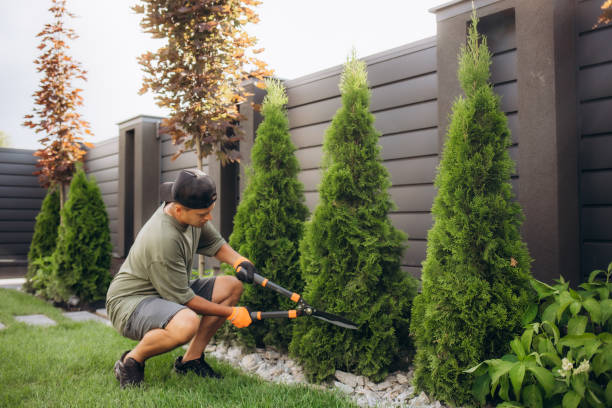
Tree trimming primarily focuses on improving a tree’s appearance, managing its size, and maintaining safe clearance around homes, streets, driveways, sidewalks, and power lines.
Trimming typically involves removing overgrown branches that affect the tree’s shape or create safety concerns. It’s also an important part of routine maintenance that keeps trees from becoming too dense or unbalanced.
Common reasons for tree trimming include:
- Removing branches hanging over roofs
- Clearing limbs away from buildings
- Increasing sunlight around the property
- Improving curb appeal
- Preventing storm-related damage
- Keeping trees away from utility lines
Proper trimming helps trees continue growing in a controlled, attractive manner while reducing hazards.
What Is Tree Pruning?
Tree pruning is much more focused on the health and long-term development of the tree.
Instead of shaping the canopy, pruning removes dead, diseased, damaged, or structurally weak branches that can negatively affect growth. Strategic pruning encourages stronger branch development and helps reduce the spread of disease and decay.
Professional pruning often includes removing:
- Dead limbs
- Broken branches
- Diseased wood
- Crossing branches
- Branches rubbing together
- Weak branch unions
- Water sprouts and suckers
Pruning is commonly performed on younger trees to establish proper structure and on mature trees to improve longevity.
Tree Trimming vs. Tree Pruning: The Biggest Differences
Although both services involve cutting branches, their goals are very different.
Tree trimming is primarily performed to improve appearance, manage growth, and increase safety around structures.
Tree pruning is performed to improve tree health, encourage proper growth, reduce disease, and strengthen the overall structure of the tree.
Many healthy trees benefit from both services at different times throughout their lifespan.
Which Trees Commonly Need Trimming in Wichita?
Kansas weather can be hard on trees. Strong winds, heavy snow, ice storms, and severe thunderstorms frequently leave trees with uneven growth or damaged limbs.
Many common Wichita tree species benefit from routine trimming, including:
Oak Trees
Oak trees often develop heavy lower limbs that require periodic maintenance to reduce weight and improve clearance.
Maple Trees
Maples grow rapidly and can become overcrowded if left unmanaged.
Bradford Pear Trees
These trees are known for weak branch unions and often require regular trimming to reduce storm damage.
Elm Trees
Proper trimming helps maintain healthy growth while reducing the risk of limb failure.
Ash Trees
Routine maintenance helps identify declining limbs before they become dangerous.
When Is Tree Pruning Recommended?
Pruning is often recommended when a tree shows signs of declining health or structural concerns.
Some common indicators include:
- Dead branches
- Visible decay
- Broken limbs
- Branches rubbing together
- Cracks in major limbs
- Poor branch structure
- Storm damage
A professional evaluation can determine whether selective pruning will improve the tree’s condition or if removal is ultimately the safer option.
Does the Time of Year Matter?
Absolutely.
While emergency trimming can happen anytime after storm damage, planned tree maintenance is usually scheduled based on the species and the desired outcome.
Dormant-season pruning is often ideal because trees experience less stress, diseases are less active, and the branch structure is easier to inspect.
However, some trees are better trimmed after spring growth or during specific seasons to minimize disease risk.
A professional arborist understands when each species should be serviced for the best long-term results.
Why Professional Tree Care Makes a Difference
Improper cuts can permanently damage a tree.
Unfortunately, topping trees, removing too much of the canopy, or making incorrect pruning cuts often creates long-term health problems that cannot be reversed.
Professional tree care focuses on preserving the natural structure of the tree while improving its health and reducing future risks.
At Kansas Tree Experts, every trimming and pruning project is performed with the tree’s long-term health in mind rather than simply removing branches.
How Often Should Trees Be Trimmed or Pruned?
There is no universal schedule because every tree grows differently.
Factors that determine maintenance frequency include:
- Tree species
- Age
- Health
- Growth rate
- Location
- Exposure to storms
- Nearby structures
Many residential trees benefit from professional evaluation every two to five years, while rapidly growing species may require more frequent maintenance.
Signs Your Tree Needs Attention
You should schedule an inspection if you notice:
- Dead limbs
- Broken branches
- Limbs hanging over your roof
- Branches touching power lines
- Uneven canopy growth
- Cracks in large limbs
- Storm damage
- Diseased branches
- Excessive rubbing branches
Addressing these issues early often prevents much larger and more expensive problems later.
Why Choose Kansas Tree Experts?
Kansas Tree Experts provides professional tree trimming and pruning services throughout Wichita and surrounding Kansas communities.
Our experienced team understands how local tree species respond to Kansas weather and uses industry-approved pruning practices designed to improve tree health while protecting your property.
Whether your goal is improving appearance, reducing storm hazards, or extending the life of your trees, we’ll recommend the service that’s best for your property, not simply the one that involves the most work.
If you’re unsure whether your trees need trimming, pruning, or another tree care service, contact Kansas Tree Experts to schedule a professional evaluation.
Frequently Asked Questions
Is tree trimming the same as tree pruning?
No. Tree trimming focuses on appearance, safety, and controlling growth, while tree pruning is intended to improve tree health and structural integrity.
Which service is better for tree health?
Pruning is specifically designed to improve a tree’s health by removing dead, diseased, or weak branches.
Can a tree need both trimming and pruning?
Yes. Many mature trees benefit from both services depending on their condition and maintenance needs.
Will trimming help prevent storm damage?
Routine trimming can reduce heavy limbs, remove hazardous branches, and decrease the likelihood of storm-related failures.
How do I know which service I need?
A professional tree inspection is the best way to determine whether your tree would benefit from trimming, pruning, or another type of tree care.