
How to Prune Without Hurting Your Tree
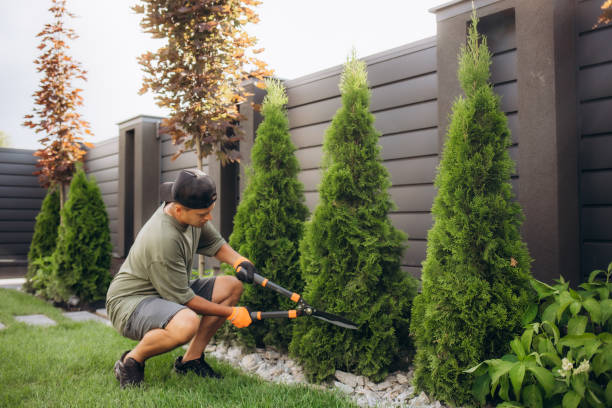
Pruning looks simple, grab some clippers, remove a few branches, and the tree looks “cleaned up.” But improper cuts can weaken a tree, invite pests, or create long-term damage. That’s why homeowners often ask how to prune without hurting your tree. The key is understanding where to cut, when to cut, and how much to remove at one time.
Why Pruning Technique Matters
Trees don’t heal like people do. Instead of repairing a wound, they seal it. A bad cut creates an opening that fungus, insects, and decay can easily exploit. And in Kansas, where strong winds and extreme weather test every branch, structural weakness shows up quickly.
Good pruning supports healthy growth, improves structure, and keeps the tree strong against storms.
The Right Way to Make a Cut
Healthy pruning always starts with one rule: never cut into the branch collar, the swollen area where the branch meets the trunk. That collar is the tree’s natural defense system. Cutting into it slows sealing and increases the risk of infection.
A proper cut should be…
- Outside the branch collar
- Clean and angled slightly
- Free of tearing or leftover stubs
Leaving a stub is just as harmful as cutting too close. Stubs rot, attract pests, and prevent proper sealing.
How Much Is Safe to Remove?
This is where many well-meaning homeowners go too far. Removing too much at once can shock a tree and stunt growth. A safe guideline is…
- Never remove more than 20–25% of the canopy in a single season
- Prioritize removing dead, broken, crossing, or rubbing branches
- Save large structural adjustments for cooler seasons
Trees rely on their leaves for food. Take too many, and the tree goes into stress mode.
When to Prune for Best Results
Timing depends on the species and your goal…
- Late winter / early spring: Best for most structural and health pruning
- Summer: Good for reducing size or weight on limbs
- Fall: Not ideal, trees seal more slowly
- Winter: Great for removing dead or hazardous limbs
Kansas trees benefit from pruning before storm season, when wind and ice put extra strain on weak branches.
When Homeowners Should Call a Professional
Pruning small limbs is usually safe for DIY. But if the branch is large, near power lines, or requires climbing, it’s best to call a pro. At Kansas Tree Experts, we evaluate structure, look for hidden weaknesses, and prune in a way that strengthens your tree long-term.
The Final Leaf
Pruning the right way keeps your tree healthy, balanced, and ready for Kansas weather. A few smart cuts can guide growth for decades, while the wrong cuts can cause years of problems.
For expert pruning, inspections, or storm-risk assessments, contact Kansas Tree Experts in Wichita. We’ll help your trees grow strong without taking unnecessary damage.