
Why Do Some Trees Drop Branches in Wind Even When They Look Healthy?
It’s a calm Wichita afternoon, then a single strong gust hits, and suddenly there’s a branch in your yard. No storm, no lightning, no obvious damage to the tree. Homeowners often ask why some trees drop branches in wind, even when the tree looks perfectly healthy from the outside. The answer usually comes down to hidden weaknesses and Kansas weather patterns.
Kansas Wind Is Tough on Trees
Kansas is known for rapid wind changes and sudden gusts. Even a healthy tree can struggle with winds that shift direction or push against heavy, unbalanced limbs. Mature trees with wide canopies catch more wind, especially in late spring and summer when leaves are fully open.
But often, the problem was quietly building long before the wind arrived.
Hidden Weaknesses Inside the Branch
A tree can look healthy on the outside but be struggling inside. Branches fail when structural issues weaken their attachment to the trunk. Some of the most common hidden problems include…
- Included bark (a weak V-shaped branch union)
- Internal decay or rot
- Termite or borer activity
- Old storm cracks that never fully healed
- Weight from heavy seasonal growth
Because these issues are internal, homeowners often don’t spot them until the branch hits the ground.
Why Healthy Trees Still Shed Limbs
Not all limb drops are signs of disease. Trees naturally shed branches to lighten their load, especially during hot, dry months. This phenomenon, often called “sudden limb drop,” happens more with certain species like oak, ash, or elm.
Factors that make limb drop more likely include…
- Heat stress
- Heavy, overextended limbs
- Poor pruning in past years
- Overly thick canopies
- Branches growing at narrow angles
In Kansas, the combination of high summer temperatures and sudden wind gusts creates the perfect conditions for unexpected limb failure.
What Homeowners Can Do to Reduce Risk
You can’t stop the Kansas wind, but you can reduce how much stress it puts on your trees. A few preventative steps make a big difference…
- Thin overcrowded branches so wind can pass through the canopy
- Remove dead or cracked limbs before they fall
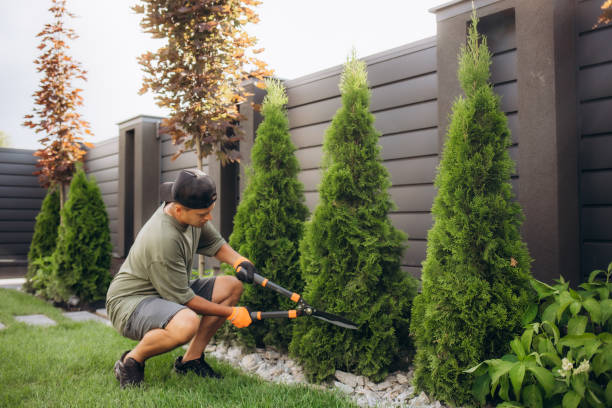
- Improve branch structure through selective pruning
- Check for mushrooms or sawdust at the trunk or limb bases
- Watch for leaning or sudden leaf loss
A yearly inspection helps catch issues that aren’t visible from the ground.
At Kansas Tree Experts, we identify weak limbs, structural problems, and hidden decay that often lead to sudden limb drop.
The Final Leaf
Even the healthiest-looking trees can lose branches when Kansas wind pushes hidden weaknesses to their limit. A little preventative pruning and a trained eye can keep your yard safer and your trees healthier all year long.
For branch inspections, trimming, or storm-risk evaluations, contact Kansas Tree Experts in Wichita. We’ll help your trees stand strong, gust after gust.